For many women with polycystic ovary syndrome (PCOS), a good night’s sleep can feel elusive. Hormonal imbalances, blood sugar swings, and low-grade inflammation often conspire to keep the body in a restless state. While sleep hygiene and medical guidance are essential, what you eat in the hours before bed can also make a meaningful difference. Dietitians who specialize in PCOS point to a few specific foods that may help calm the nervous system, stabilize blood sugar, and promote deeper sleep.
Why PCOS often disrupts sleep
The link between PCOS and poor sleep isn’t just about stress or a busy mind. Insulin resistance, elevated cortisol, and imbalances in estrogen and progesterone can all interfere with the body’s natural sleep-wake cycle. Many women with PCOS also experience sleep apnea, restless legs, or night sweats. Instead of relying on sleeping pills, which can mask the root cause, targeted nutrition offers a gentler, supportive approach.
“Blood sugar drops during the night can trigger the release of cortisol and adrenaline, waking you up. The right snack before bed can keep glucose stable and support the production of sleep hormones.” — Jessica Minch, RDN, CDN
1. A small serving of tart cherries
Tart cherries, especially the Montmorency variety, are one of the few natural food sources of melatonin. Research suggests that drinking tart cherry juice or eating a small portion of dried tart cherries can modestly increase melatonin levels and improve sleep duration and quality. For someone with PCOS, this is especially valuable because it bypasses the need for a synthetic supplement and provides antioxidants that fight inflammation.
Try adding a quarter-cup of dried tart cherries to a handful of walnuts or enjoy a small glass of unsweetened tart cherry juice about an hour before bed. The slight tartness can also help curb any late-night sugar cravings without spiking insulin.
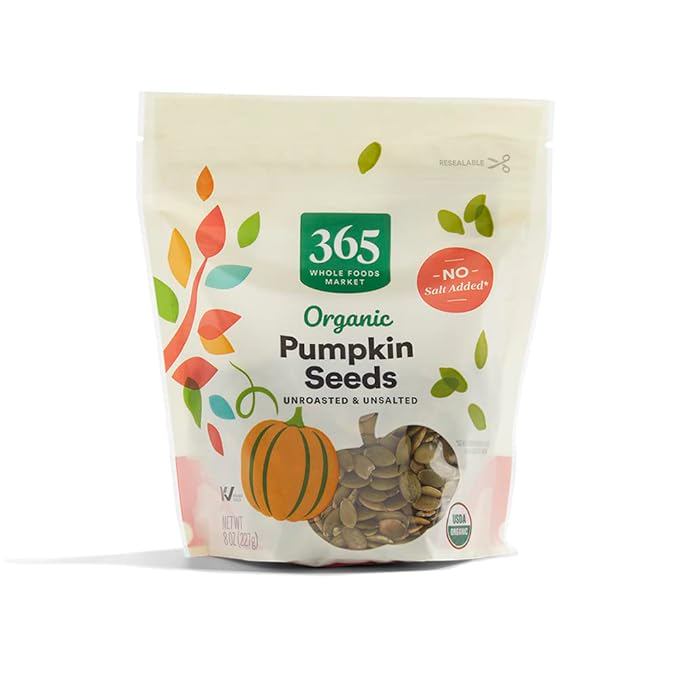
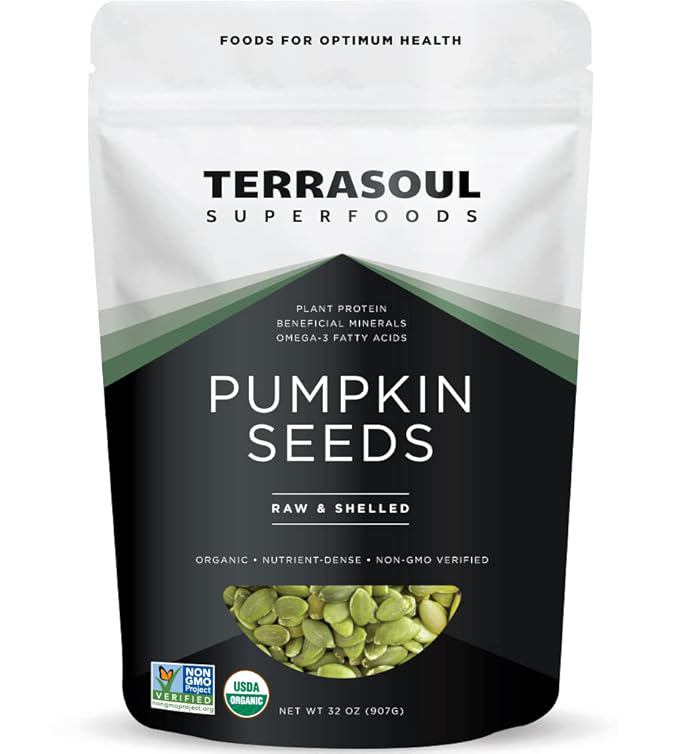
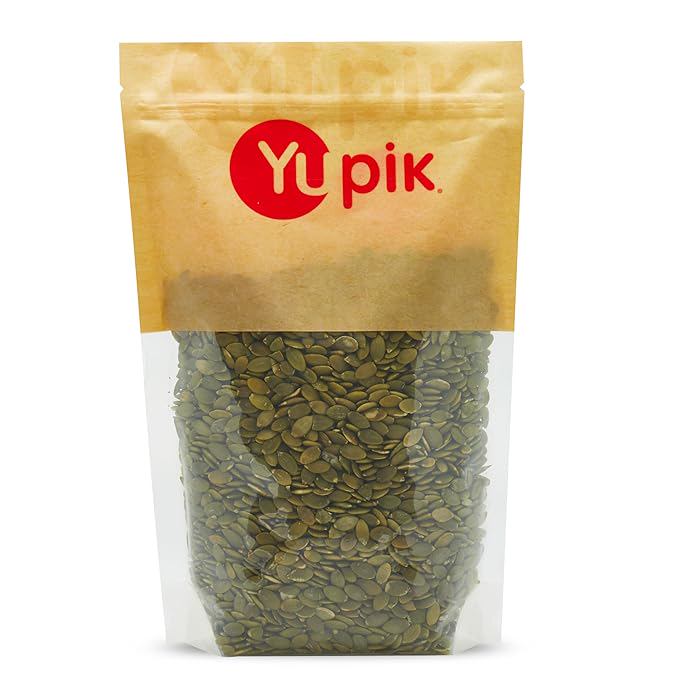
2. Pumpkin seeds
Pumpkin seeds are rich in magnesium, zinc, and tryptophan—three compounds that work together to support sleep. Magnesium helps calm the nervous system and reduce cortisol levels, while zinc supports the conversion of tryptophan into serotonin and then melatonin. Since many adults, particularly those with insulin resistance, are borderline low in magnesium, this small seed packs a powerful therapeutic punch.
An ounce of pumpkin seeds (about a handful) provides roughly 150 milligrams of magnesium. Dietitians often recommend them as a pre-bed snack paired with a slice of turkey or a hard-boiled egg for extra tryptophan. For a quick bite, try a tablespoon of pumpkin seed butter on a rice cake.
Why magnesium matters for PCOS
Magnesium deficiency is common in women with PCOS because of chronic inflammation and high insulin levels. Low magnesium is linked to poor sleep quality, muscle cramps, and anxiety. By including magnesium-rich foods like pumpkin seeds, spinach, and almonds, you help restore a key mineral that supports both rest and metabolic health.
3. Kiwifruit
In a small but notable 2011 study from Taipei Medical University, adults who ate two kiwifruits one hour before bed for four weeks experienced significant improvements in sleep onset, duration, and efficiency. While the study wasn’t PCOS-specific, the mechanism makes sense: kiwifruit is high in serotonin, folate, and antioxidants. Serotonin is a precursor to melatonin, and folate helps regulate homocysteine, which can interfere with sleep when elevated.
For someone with PCOS, kiwifruit also offers a low-glycemic source of natural sweetness, vitamin C for immune support, and fiber to help stabilize blood sugar. One or two kiwis make a simple, refreshing evening snack that doesn’t require preparation.
Practical tips for building a sleep-supportive evening routine
Adding these three foods to your diet can help, but they work best when paired with consistent habits. Try to eat your last meal at least two to three hours before bed to allow for digestion. If you need a small snack, choose one or two of the above options. Keep portions modest—too much food before sleep can trigger acid reflux or blood sugar spikes.
Avoid high-sugar desserts, caffeine after 2 p.m., and heavy meals late in the evening. Hydration matters too, but taper off fluids an hour before bed to reduce nighttime bathroom trips. Ultimately, the goal is to create a gentle routine that signals your body it’s time to wind down, rather than forcing sleep through willpower or medication.
Common mistakes women with PCOS make when trying to sleep better
- Relying on alcohol as a sleep aid. Alcohol may help you fall asleep faster, but it disrupts REM sleep and can worsen night sweats and blood sugar instability.
- Skipping the bedtime snack entirely. Going to bed too hungry can trigger a stress hormone response, waking you up in the middle of the night.
- Using melatonin supplements without guidance. Synthetic melatonin can cause grogginess and hormonal side effects in some women. Food sources are usually safer and better tolerated.
- Ignoring sleep apnea symptoms. Loud snoring, gasping, or excessive daytime sleepiness should be checked, as sleep apnea is more common in PCOS and requires medical treatment.
“I always tell my clients that sleep is part of the PCOS treatment plan, not a luxury. Supporting it with whole foods is a small, sustainable change that pays off.” — Megan K, RDN specializing in women’s health