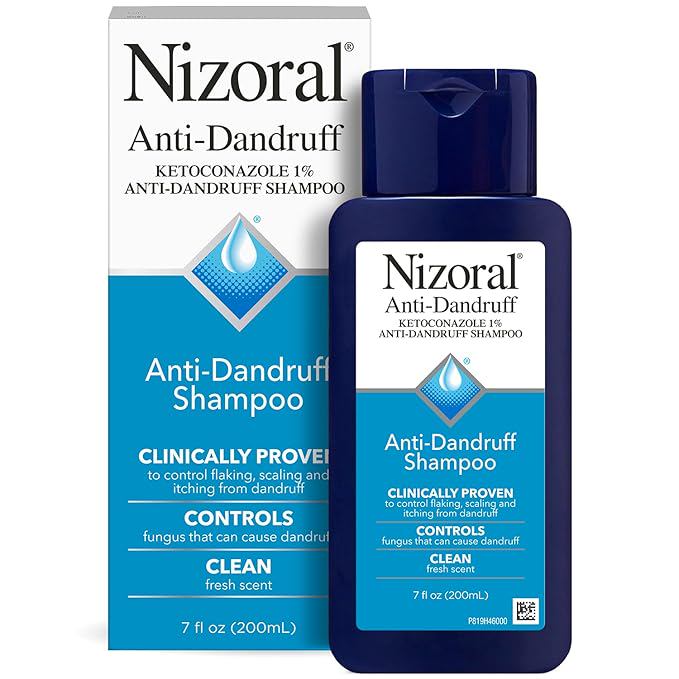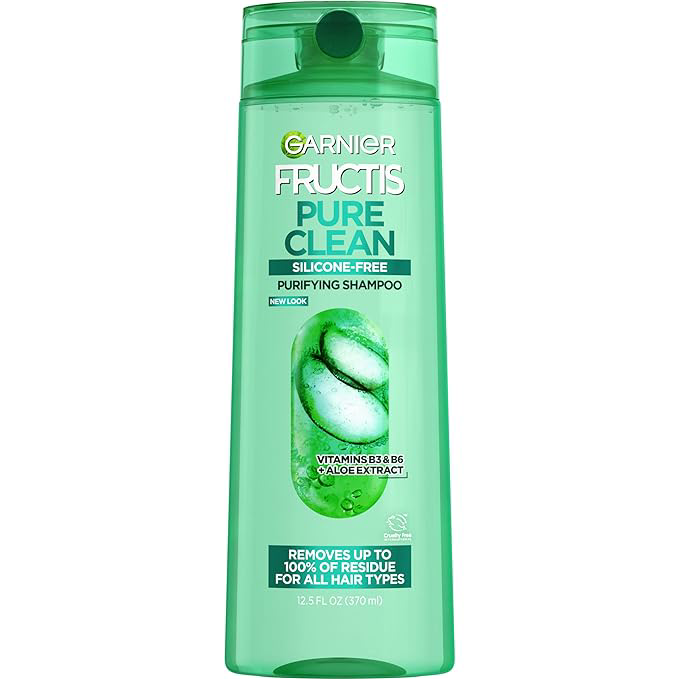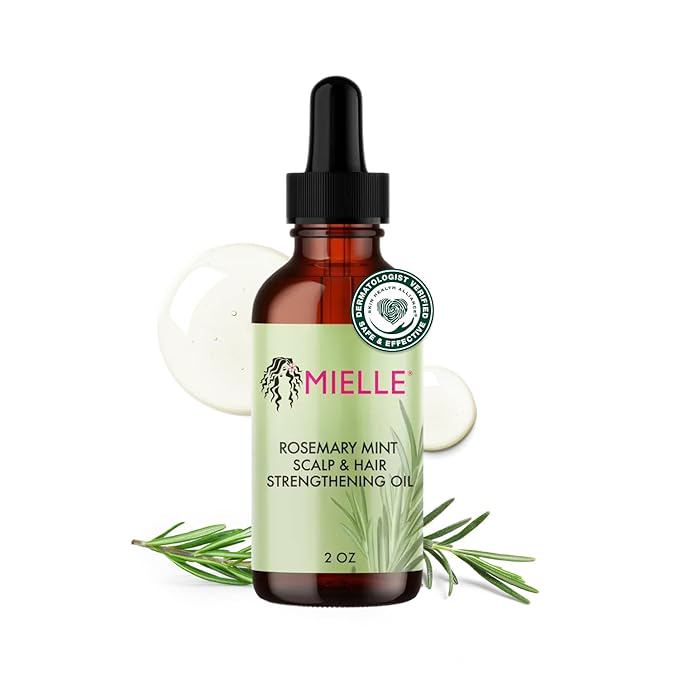
Hard water—water with a high mineral content, particularly calcium and magnesium—can leave more than just spots on your glassware. For many people, it also leaves the scalp feeling dry, itchy, and irritated. The minerals in hard water can combine with your shampoo to form a thin film that won't rinse away easily, clogging hair follicles and stripping the scalp of its natural moisture. Over time, this can lead to persistent irritation, flaking, and even increased hair breakage.
Fortunately, you don't have to install a whole-house water softener to get relief. Sometimes, the simplest fix is swapping out a few key products in your routine. Here are three expert-backed product swaps that can help your scalp recover from the daily assault of hard water.
Swap #1: Your Standard Shampoo for a Chelating Clarifying Shampoo
The most direct way to combat hard water buildup is to use a shampoo specifically designed to remove mineral deposits. A standard clarifying shampoo will remove excess oil and product residue, but a chelating shampoo goes a step further. Chelating agents—like EDTA or citric acid—bind to the calcium and magnesium ions in hard water, allowing them to be rinsed away instead of clinging to your hair and scalp.
Look for formulas labeled "chelating" or "mineral-removing." You don't need to use this every day; once or twice a week is usually enough to prevent the scalp film from building up. If you have color-treated hair, choose a chelating shampoo that is also color-safe, as some formulas can be a bit aggressive.
Tip: If your scalp feels better after a chelating wash but looks dull, it means the product is doing its job removing minerals without stripping your hair's natural oils entirely.
Swap #2: Tap Water Rinses for a Distilled Water Final Rinse
This swap is simple but surprisingly effective. After you've washed and conditioned your hair with your regular products, do a final rinse with distilled water instead of tap water. Distilled water has been boiled and condensed, which removes the minerals that cause hard water irritation.
You don't need to wash your entire hair with distilled water—just the final rinse. Pour it over your hair and scalp, let it sit for a few seconds, and then gently squeeze out the excess. This helps to ensure that no new mineral residue is left behind to settle on your scalp as your hair dries. It's particularly helpful for people who live in areas with very hard water or who use well water.
Swap #3: Harsh Shampoos for a Gentle, Hydrating Shampoo with Humectants
When your scalp is already irritated from hard water, it can be tempting to scrub harder or use a stronger shampoo to get that "squeaky clean" feeling. But this often backfires. Harsh surfactants like sodium lauryl sulfate can strip the scalp's protective barrier, making irritation worse. The better move is to swap your main shampoo (the one you use most days) for a gentle, hydrating formula.
Look for shampoos that feature humectants like glycerin, aloe vera, or honey. These ingredients pull moisture into the scalp and help calm inflammation instead of stripping it. A mild surfactant like coco-glucoside or decyl glucoside can clean without causing that tight, dry feeling. For many people, simply using a gentler shampoo alongside the weekly chelating wash is enough to break the cycle of hard water scalp irritation.
Making these swaps doesn't mean you need to overhaul your entire haircare routine overnight. Start with the chelating shampoo and the distilled water rinse—those two alone often make a significant difference in how your scalp feels within a couple of weeks. If your scalp continues to feel tight or itchy, introducing a gentle hydrating shampoo as your daily cleanser can provide additional relief. Consistency matters more than intensity when it comes to soothing an irritated scalp.