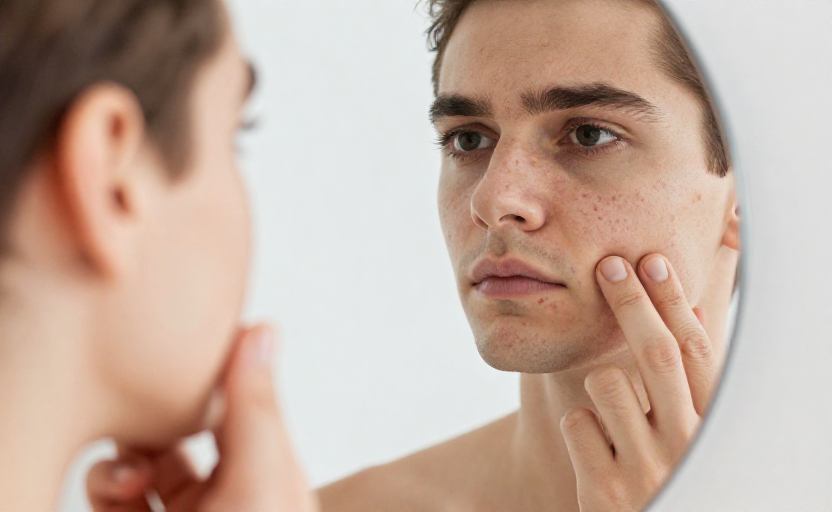
You’ve been following your skincare routine diligently, but your skin isn’t getting the memo. Instead of clearing up, your acne seems to be settling in for the long haul, or maybe even getting more comfortable. It’s a frustrating, all-too-common experience. Acne is a complex condition, and what works for one person—or at one stage of life—may not be the right approach forever. Your skin has a way of communicating when a treatment plan has run its course. Learning to recognize those signals can save you months of frustration and prevent potential damage.
Here are three early warning signs that suggest it’s time to reconsider your current acne treatment strategy.
1. Your Breakouts Are Becoming More Frequent or Severe
This is often the most obvious red flag. You might notice you’re getting new pimples more often, or that the individual lesions are larger, deeper, and more inflamed than before. Instead of the occasional surface-level blemish, you’re dealing with painful, cystic acne that lingers for weeks.
If your acne is actively worsening despite consistent treatment, it’s a clear sign the approach is no longer effective—or may even be contributing to the problem.
This can happen for a few reasons. Sometimes, the bacteria responsible for acne can develop a tolerance to certain topical antibiotics if they are used alone for too long. In other cases, a treatment might be overly harsh, stripping your skin’s barrier. When this protective layer is compromised, it can lead to increased inflammation, sensitivity, and ironically, more breakouts as your skin struggles to repair itself.
2. You’re Experiencing Significant Dryness, Irritation, or Peeling
Many effective acne treatments, like benzoyl peroxide, salicylic acid, and retinoids, work by promoting skin cell turnover and unclogging pores. A certain degree of dryness or mild peeling can be normal during the initial “purge” or adjustment period, which typically lasts a few weeks.
However, if you’re well past that initial phase and your skin still feels tight, looks flaky, stings when you apply moisturizer, or appears red and irritated, it’s a problem. Severe irritation is not a sign that the treatment is “working hard”; it’s a sign that it’s damaging your skin’s barrier. A compromised barrier cannot heal properly, makes your skin more vulnerable to environmental aggressors, and can ultimately worsen acne and lead to post-inflammatory hyperpigmentation.
3. Your Skin Has Plateaued—And Stayed There
Improvement has completely stalled. Your acne isn’t getting worse, but it’s not getting better either. You’ve been using the same products for months, and you’re stuck with the same number of blemishes in the same areas. This plateau indicates that your current regimen has taken your skin as far as it can go.
Acne is dynamic. Hormonal shifts, stress, diet, and other factors can change its behavior. A treatment that managed mild, occasional breakouts may not be potent enough to address a shift to more persistent, hormonal, or inflammatory acne. When you hit a long-term standstill, it means the underlying drivers of your acne are no longer being fully addressed by your current routine.
What to Do When You See These Signs
First, don’t panic and don’t abruptly abandon everything. Sudden changes can shock your skin. The most important step is to consult a dermatologist or a qualified healthcare provider. They can help you interpret these signs accurately—differentiating between a normal purge and damaging irritation, for instance—and guide you toward a new, more effective plan.
A professional might suggest:
- Adjusting your current routine: This could mean changing the frequency of use (applying a retinoid every other night instead of nightly), buffering it with a moisturizer, or switching to a gentler cleanser.
- Introducing a new active ingredient: If one type of acid isn’t working, another might. A dermatologist can recommend alternatives like azelaic acid for both acne and redness, or a different prescription retinoid.
- Combination therapy: Often, the most effective approach uses two or more mechanisms of action—like a retinoid to prevent clogged pores and a topical antibiotic to reduce bacteria.
- Addressing internal factors: For some, especially women with hormonal patterns of breakouts, an oral medication like spironolactone or a birth control pill approved for acne may be discussed as an option to work alongside topical treatments.
Remember, finding the right acne treatment is often a process of careful adjustment, not a one-time solution. Your skin’s needs evolve, and paying attention to these warning signs is a proactive way to ensure your skincare evolves with them.