You hit the gym, follow your split, and push through every set. But hours later, you're dragging — more wiped out than the workout itself should allow. If your strength training sessions consistently leave you feeling drained, the culprit might not be the volume or the intensity. It might be what you’re drinking before, during, or after you lift.
Certain beverages interfere with recovery, disrupt sleep quality, or spike and crash your blood sugar. When you’re already asking a lot from your muscles and central nervous system, these drinks can tip the scales from productive fatigue into outright exhaustion. Here are three to reconsider — and what to drink instead.
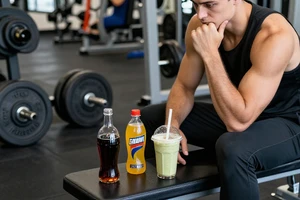
1. Sugary sports drinks during the session
It sounds counterintuitive. Sports drinks are designed for athletes, right? They are — for endurance athletes exercising for over 90 minutes in the heat. For a standard strength training session that lasts 45 to 75 minutes, those added sugars and artificial colors do more harm than good.
Most commercial sports drinks pack around 14 grams of sugar per 8 ounces. Down a 20-ounce bottle during your workout and you’re getting 35 grams of sugar — nearly nine teaspoons. That sugar hits your bloodstream fast, causing a sharp insulin spike. When insulin surges, it shuttles glucose into cells quickly, but it also drives down blood sugar shortly after. The result: a mid-afternoon energy crash that leaves you feeling heavy, irritable, and mentally foggy.
How to tell if you’re overdoing it
If you sip a sports drink with every set and notice you feel sluggish about 60 to 90 minutes after your workout, that’s the crash pattern. Some people also experience shakiness, headaches, or intense cravings for more carbs.
Swap it: Plain water is usually enough for a strength session under 90 minutes. If you really need electrolytes, choose an unsweetened electrolyte tablet or add a pinch of sea salt and a squeeze of lemon to your water.
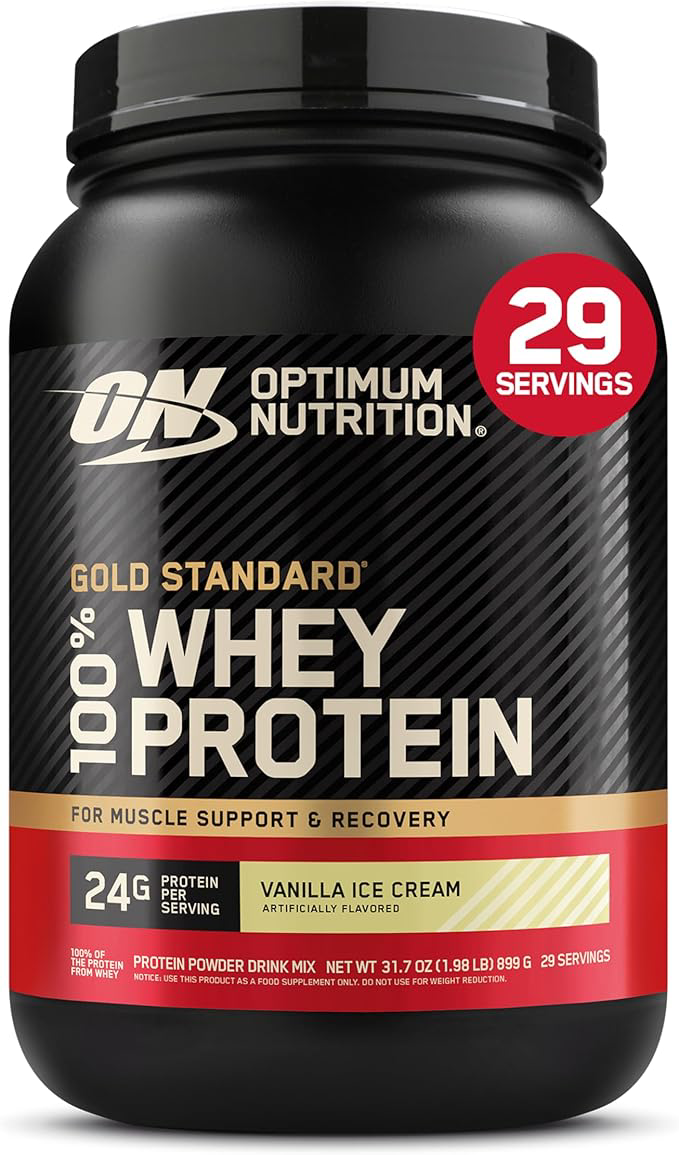
2. Heavy protein shakes with added sugars or maltodextrin
Protein is essential for muscle repair, but not all protein shakes are created equal. Many popular ready-to-drink shakes and even some bulk powders are loaded with added sugars, maltodextrin, or dextrose to improve taste and mixability. These cheap carbohydrates spike blood sugar similarly to a sugary soda.
That post-workout shake might be your go-to, but if it contains more than 5 to 8 grams of sugar per serving — or includes maltodextrin as a primary ingredient — it could be setting you up for a rebound crash. Your body clears the glucose fast, and then your energy drops just when you need to power through the rest of your day.
Another overlooked issue: liquid meals digest quickly. A shake that’s heavy on fast-digesting carbs (even from added sugars) can cause a rapid rise in blood sugar, followed by a sharp fall. Combined with the natural fatigue from strength training, that crash hits harder.
What to watch for on the label
- Total sugar: Aim for under 5 grams per serving. If it’s over 10 grams, it’s more of a dessert than a recovery drink.
- Maltodextrin or dextrose: These spike blood sugar faster than table sugar. If they’re listed in the first three ingredients, skip it.
- Artificial sweeteners: While not a sugar source, for sensitive people, these can still trigger cravings or digestive discomfort that adds to overall fatigue.
Swap it: Opt for a plain, unsweetened whey or plant protein powder. Mix with water or unsweetened almond milk. If you need a carb boost post-workout, get it from a piece of fruit — not added sugar in your shake.
3. Alcohol (especially in the evening after training)
This one may seem obvious, but it’s easy to overlook how even moderate drinking affects recovery. A single drink after a tough strength session doesn’t just impair muscle protein synthesis — it also disrupts deep sleep stages. And sleep is when your body actually repairs muscle, restores glycogen, and resets your energy.
Alcohol is a diuretic, meaning it dehydrates you further. If you’re already slightly dehydrated from sweating during your workout, even one beer or glass of wine can amplify that fluid loss. Dehydration alone is enough to make you feel sluggish the next day.
More importantly, alcohol interferes with the quality of your non-REM and REM sleep. You might fall asleep faster, but you’ll spend less time in deep sleep. For someone on a strength training split that requires regular recovery, poor sleep compounds fatigue across the week. By day three or four, that drained feeling becomes your baseline.
The one-night-out trap
Even if you only drink one or two nights a week, those nights often fall on weekends or rest days. That’s when your body is trying hardest to rebuild. Alcohol consumption on a rest day after a heavy training day can reduce growth hormone release by up to 70%, directly slowing the repair process.
Swap it: If you want a social drink, try a sparkling water with lime and a splash of bitters, or a non-alcoholic hop water. Keep alcohol to rest days that are at least 48 hours before your next strength session — and even then, stick to one serving max.
One more drink to check: pre-workout formulas with too much caffeine
While not a drink to “skip” outright, many people overdo pre-workout blends. High-caffeine pre-workouts (300+ mg per scoop) can spike adrenaline, followed by a crash that hits two to three hours later. If your training split runs long or you train in the late afternoon, that crash can sabotage the rest of your day and even disrupt sleep that night.
Consider whether your fatigue is actually a caffeine crash. If you feel alert during your workout but suddenly exhausted about 90 minutes afterward, dial back your pre-workout dose or switch to a lower-caffeine option — or skip it entirely for a week to see if your natural energy stabilizes.
What to drink instead for better recovery
If you cut out sugary sports drinks, loaded protein shakes, and alcohol, you’re left with simple, effective options that support strength training recovery without the energy roller coaster.
- Water: The single most underrated recovery tool. Start your day with 16 to 20 ounces, sip throughout your workout, and keep drinking at regular intervals afterward. If you’re thirsty, you’re already behind.
- Unsweetened electrolyte water: If you sweat heavily or train in a hot environment, a small amount of sodium, potassium, and magnesium can help without any sugar.
- Plain green or black tea: A small amount of caffeine with the antioxidant EGCG may support muscle recovery without the crash from concentrated pre-workouts. Just avoid adding sugar.
- Tart cherry juice (unsweetened): A small 4-ounce serving after a workout has been studied for reducing muscle soreness and improving sleep quality. It does contain natural sugars, but the glycemic load is lower than sports drinks.
A simple rule: If a drink has more than 5 ingredients or comes in bright colors, it’s probably not helping your recovery. Stick to beverages with one or two whole-foods-based ingredients.