
If you’re navigating the frustrating cycle of hormonal acne, you’ve likely explored skincare routines, stress management, and maybe even consulted a dermatologist. What we consume, however, can be an overlooked piece of the puzzle. While no single drink causes acne, certain beverages can influence the underlying hormonal and inflammatory pathways that contribute to those deep, often painful breakouts along the jawline, chin, and cheeks.
Understanding this connection isn’t about promoting restrictive diets or fostering fear around food. It’s about recognizing potential dietary triggers that may be adding fuel to the fire, so you can make informed choices that support your skin’s health from the inside out.
How do drinks affect hormonal acne?
Hormonal acne is primarily driven by fluctuations in hormones like androgens (e.g., testosterone), which can increase sebum (oil) production in the skin. This excess oil, combined with dead skin cells, creates an environment where acne-causing bacteria can thrive, leading to inflammation and breakouts.
What we drink can interact with this process in a few key ways. Some beverages can cause a spike in insulin and insulin-like growth factor 1 (IGF-1). Elevated insulin can increase androgen activity, telling your oil glands to work overtime. Other drinks may promote systemic inflammation throughout the body, which can worsen existing acne lesions. Still others might contain compounds that directly influence hormone levels.
The goal is to identify patterns, not to declare any drink an absolute villain. Paying attention to how your skin responds after consuming certain beverages can be one of the most personal and valuable guides.
Drinks to consider limiting
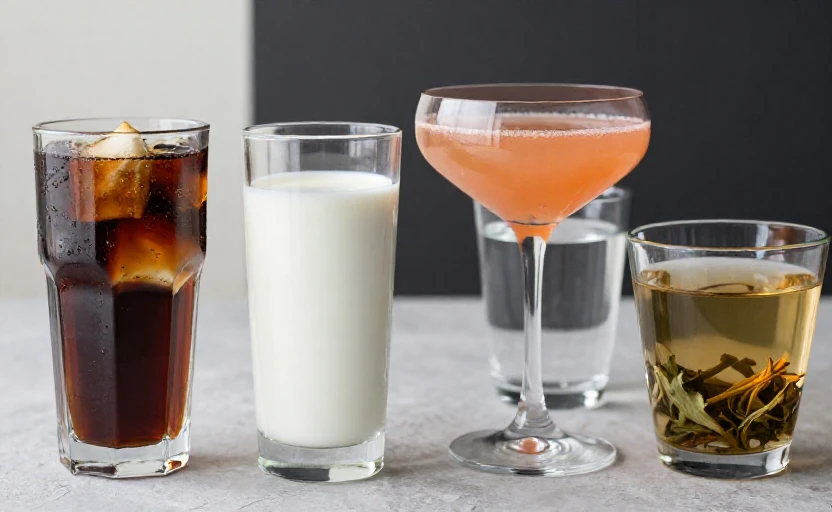
Based on current understanding of nutrition and dermatology, here are three types of beverages that are commonly linked to exacerbating hormonal acne. Limiting these doesn’t guarantee clear skin, but for many, it can be a supportive step in a broader management plan.
1. Sugary drinks and refined juices
This category includes sodas, sweetened teas and coffees, energy drinks, sports drinks, and even many fruit juices that have been stripped of fiber. The primary concern here is their high glycemic load.
When you consume a large amount of sugar quickly, your blood sugar spikes. Your body releases insulin to manage it. As mentioned, higher insulin levels can boost androgen production and sebum output. A study in the Journal of the Academy of Nutrition and Dietetics noted that high-glycemic diets were associated with increased acne severity.
Opt for whole fruit over juice. The fiber in whole fruit slows sugar absorption, leading to a more gradual insulin response.
2. Conventional dairy milk
The link between dairy and acne is one of the most researched—and debated—dietary connections. While results can vary from person to person, several large studies have found a correlation, particularly with skim and low-fat milk.
Milk naturally contains hormones and growth factors (like IGF-1) intended for calf growth, which may influence human hormone pathways. It’s also thought that the whey and casein proteins in milk can stimulate insulin and IGF-1 production. For some individuals, this combination can be a potent trigger for hormonal breakouts.
If you suspect dairy, it may be helpful to experiment with limiting it for a few weeks to observe any changes. Note that fermented dairy like yogurt and kefir often have a different effect, possibly due to probiotics and altered protein structures.
3. Alcohol (especially sugary mixes)
Alcohol’s impact on acne is multifaceted. First, it’s a diuretic, which can lead to dehydration and potentially make skin appear dull and more prone to irritation. More significantly, alcohol can affect hormone levels, including increasing cortisol (a stress hormone) and altering estrogen and testosterone metabolism, which may disrupt balance.
Many alcoholic drinks are also high in sugar (think cocktails, sweet wines, and flavored hard seltzers), combining the glycemic impact with alcohol’s effects. Furthermore, alcohol can compromise gut health and increase systemic inflammation, both of which are increasingly linked to skin health.
What to reach for instead
Shifting focus away from restriction and toward nourishment is a healthier mindset. Hydration is foundational. Water is always an excellent choice, helping with detoxification and skin hydration. For more flavor, try:
- Herbal teas: Spearmint tea, in particular, has been studied for its potential anti-androgen effects.
- Green tea: Rich in antioxidants that may help reduce inflammation.
- Golden milk (turmeric latte): Turmeric contains curcumin, a compound with noted anti-inflammatory properties.
- Simple, low-sugar smoothies: Made with leafy greens, a small portion of low-glycemic fruit like berries, and a non-dairy milk or water base.
Remember, dietary changes are just one component. Effective hormonal acne management typically involves a combination of proper skincare, stress reduction, quality sleep, and professional medical guidance.
When to seek professional advice
Dietary adjustments can support skin health, but they are not a substitute for medical treatment. If your acne is moderate to severe, painful, or causing scarring or significant emotional distress, consult a dermatologist. They can provide treatments that target the hormonal root cause, such as oral contraceptives, spironolactone, or topical retinoids, which dietary changes alone cannot achieve.
Track your habits and skin reactions in a journal. This data is invaluable, both for your own awareness and for productive conversations with your healthcare provider. Your skin’s story is unique, and finding what works for you is a journey of patient observation and care.