
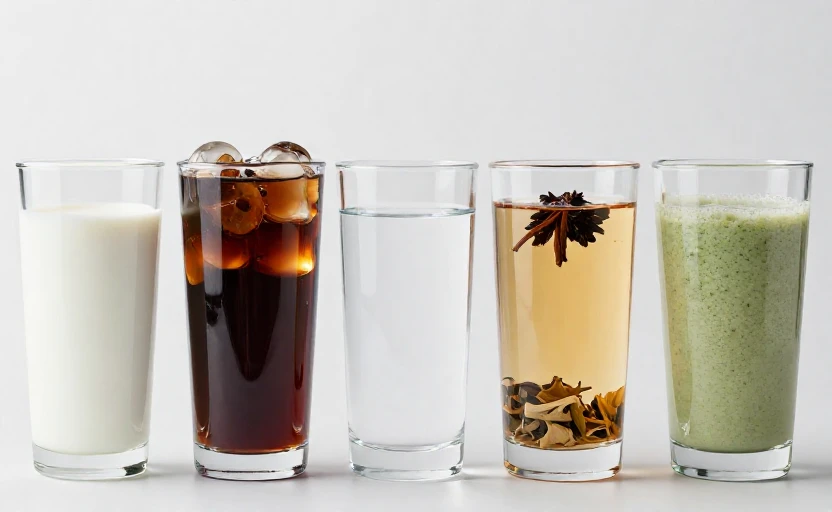
If you're navigating the frustrating world of hormonal cystic acne, you know it's a different beast entirely. Unlike surface-level blemishes, these deep, painful nodules stem from internal imbalances and inflammation. While skincare is crucial, what you consume can significantly influence your skin's internal environment. Certain beverages, in particular, can act as triggers, exacerbating inflammation and hormonal fluctuations that fuel cystic breakouts.
Understanding these connections isn't about promoting restrictive diets or miracle cures. It's about becoming aware of potential dietary influencers so you can make informed, gentle adjustments. Let's explore three common drink categories that might be worth examining if you're seeking clearer skin.
Dairy Milk: A Complex Trigger
For many with hormonal acne, dairy—especially milk—can be a problematic drink. The concern isn't just about fat content; it's rooted in the bioactive molecules present in milk. Commercially produced milk comes from pregnant cows, meaning it contains naturally occurring hormones like insulin-like growth factor 1 (IGF-1) and precursors to dihydrotestosterone (DHT).
When you consume these, they can influence your own hormonal pathways. IGF-1, for instance, may stimulate oil gland activity and skin cell growth, potentially clogging pores. Furthermore, the whey and casein proteins in milk can spike insulin levels. This insulin response can increase the production of skin oils and contribute to inflammation, creating an ideal setting for deep, cystic acne to form.
If you enjoy milk in coffee or cereal, consider exploring unsweetened almond, oat, or coconut milk alternatives for a few weeks to observe any changes in your skin.
Sugary Drinks and Insulin Spikes
This category extends far beyond soda. It includes sweetened coffee drinks, fancy cocktails, fruit juices (even 100% juice), smoothies with added sweeteners, and many energy or sports drinks. The common thread is a high glycemic load, which causes a rapid rise in blood sugar and a corresponding spike in insulin.
Elevated insulin levels have a cascading effect. They can increase the production of androgens (male hormones present in all genders), which in turn stimulate oil glands. Insulin also boosts IGF-1 activity. This combination promotes excess oil, pore clogging, and inflammation—the perfect storm for painful, deep-seated cysts. The inflammatory response itself is a key driver of acne severity.
Whey Protein Shakes
Whey protein is a derivative of milk, and it concentrates many of the components that make dairy a potential acne trigger. It's particularly high in the branched-chain amino acids leucine, isoleucine, and valine, which are potent stimulators of the mTORC1 pathway. This pathway is a central regulator of cell growth and proliferation, and its over-activation is strongly linked to increased sebum production and acne development.
Whey is also designed to be rapidly absorbed, causing a significant spike in insulin and IGF-1, mirroring the effects of sugary drinks. For those using protein powders for fitness goals, this can create a frustrating conflict between body and skin wellness.
For post-workout nutrition, plant-based protein powders from peas, hemp, or brown rice are often gentler on skin for those prone to hormonal acne.
What to Focus On Instead
Shifting focus from restriction to nourishment can feel more empowering. Hydration is foundational. Drinking ample water throughout the day supports detoxification pathways and helps maintain skin hydration from within.
Herbal teas can be wonderful allies. Spearmint tea, in particular, has been studied for its potential anti-androgen effects, which may help moderate the hormones that drive cystic acne. Green tea is rich in anti-inflammatory and antioxidant compounds like EGCG. Incorporating these as daily habits can be a soothing and beneficial practice.
A Gentle Approach to Change
It's important to remember that triggers are highly individual. Not everyone with hormonal acne will react to these drinks. The most insightful approach is to observe your own skin's patterns.
Consider keeping a simple log for a few weeks, noting what you drink and your skin's condition. Try eliminating one potential trigger beverage at a time for 3-4 weeks to see if you notice a difference. This methodical, patient approach is far more sustainable and informative than cutting out everything at once. Always discuss significant dietary changes with a healthcare provider or dermatologist, as they can help you navigate this process within the context of your overall health.
Managing hormonal cystic acne is a journey that involves looking at both internal and external factors. By understanding how certain beverages might influence inflammation and hormone signaling, you gain another tool for your wellness toolkit. Progress often comes from consistent, mindful adjustments, not overnight overhauls. Be kind to your skin and yourself as you explore what balance feels like for you.