
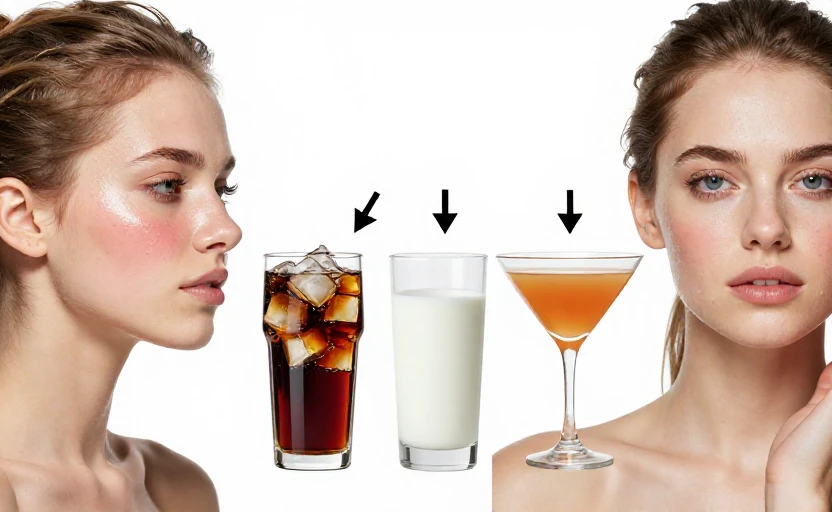
When we think about skincare, our minds often go straight to cleansers, serums, and moisturizers. But what we put inside our bodies can be just as powerful as what we apply on the outside. The beverages we choose throughout the day send direct signals to our skin, influencing everything from inflammation and oil production to collagen breakdown and redness. For anyone seeking a more even, calm complexion, paying attention to your glass might be the most impactful step you take.
It’s not about perfection or deprivation. It’s about awareness—understanding which common drinks tend to be the most provocative for skin, so you can make informed choices that support your glow from within.
Why What You Drink Shows Up on Your Skin
Your skin is a reflection of your internal health. Beverages are absorbed quickly and can cause rapid shifts in your body’s chemistry. Three key mechanisms link your drink choice to your complexion:
- Blood Sugar Spikes: Sugary drinks cause insulin levels to surge. This hormone can increase the production of skin oils and trigger inflammation, both of which are central players in acne and uneven skin tone.
- Inflammation: Many common ingredients, from processed sugars to certain additives, can promote a state of low-grade inflammation throughout the body, which often manifests as redness, puffiness, or aggravated conditions like rosacea.
- Dehydration & Nutrient Displacement: Some drinks act as diuretics, pulling water from your body. Others simply take the place of hydrating, nutrient-rich options, leaving your skin lacking the fluids and antioxidants it needs to repair and defend itself.
The Top Three Beverages to Rethink
Based on dermatological research and nutritional science, these three drink categories are most frequently linked to skin concerns. The goal isn’t to eliminate them forever, but to understand their impact and consider mindful alternatives.
1. Sugary Sodas and Sweetened Coffee Drinks
This category is the prime suspect for a reason. A single can of soda can contain nearly 40 grams of added sugar—that’s about 10 teaspoons. When you drink it, the sugar floods your bloodstream, prompting a significant insulin release.
High insulin levels can increase the activity of hormones that boost oil production in your skin’s sebaceous glands.
This excess oil can mix with dead skin cells and clog pores, creating an ideal environment for acne. Furthermore, the sugar itself can bind to collagen and elastin fibers in a process called glycation, which may accelerate the appearance of fine lines and reduce skin’s plumpness and resilience. The caramel coloring in many colas has also been studied for its potential to promote inflammation.
2. Dairy Milk (Particularly Skim Milk)
The link between dairy and skin is complex and varies from person to person, but studies have consistently shown a correlation, especially with acne. The reasons are thought to be multifaceted. Cow’s milk naturally contains hormones and growth factors intended to help a calf grow. When consumed, these compounds may interact with our own human hormones, potentially influencing oil glands.
Interestingly, skim milk has been more strongly associated with breakouts in some research than whole milk. One theory is that the removal of fat changes the milk’s composition, and the remaining whey and casein proteins might have a more pronounced effect on insulin and other growth pathways. For many, dairy can also be a subtle inflammatory trigger, contributing to overall redness and uneven texture.
3. Alcohol
Alcohol affects the skin in several direct ways. First, it’s a diuretic, meaning it promotes water loss and can lead to dehydration. Even mild dehydration makes skin appear drier, more dull, and less plump, emphasizing fine lines.
Second, alcohol dilates blood vessels. While this causes the initial “flush,” over time it can contribute to persistent redness and broken capillaries, especially around the nose and cheeks. Finally, alcohol consumption can disrupt sleep quality and increase stress hormones like cortisol. Poor sleep and elevated cortisol are notorious for impairing the skin’s natural repair cycle, slowing healing, and worsening inflammation.
What to Reach For Instead
Shifting your habits is easier when you have satisfying alternatives. The foundation of any skin-supportive drink regimen is simple: water. Aiming for adequate hydration is the single most beneficial practice. For variety and added benefits, consider these options:
- Herbal or Green Tea: Rich in antioxidants that help combat environmental damage and soothe inflammation. Spearmint tea, in particular, has been studied for its potential anti-androgen effects, which may help balance oil production.
- Sparkling Water with a Splash: If you crave the fizz of soda, try plain sparkling water. Add a squeeze of citrus, a few muddled berries, or a sprig of fresh mint for flavor without the sugar crash.
- Golden Milk or Turmeric Latte: Made with a non-dairy milk like almond or oat and anti-inflammatory turmeric, this is a warming, skin-soothing alternative to a sugary coffee drink.
Listen to your skin. If you suspect a beverage is affecting you, try cutting it out for two to three weeks and observe any changes in clarity, redness, or breakouts. Your skin’s response is your best guide.
A Balanced Perspective on Skin and Diet
It’s crucial to remember that skin health is deeply individual. Genetics, stress, sleep, skincare routine, and overall diet all play interconnected roles. No single drink is the sole cause of skin issues for everyone.
The aim here is empowerment through knowledge, not restriction. You might find that you can enjoy your favorite latte occasionally without consequence, or that switching from skim to oat milk makes a noticeable difference. The journey to clearer skin is about building supportive, sustainable habits that make you feel good inside and out.