
Starting a strength training routine is exciting. You have the workout plan, the proper shoes, and the motivation. But what you put in your system in the hour or two before you pick up a barbell can make or break that first set of squats. For new lifters, the margin for error is small—your body is still learning how to recruit muscles, maintain balance, and manage energy. The wrong pre-workout beverage can lead to nausea, a crash, or even an injury just because you are distracted by an upset stomach.
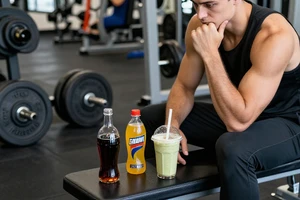
Let’s look at three drinks that are especially risky right before a strength session, and what you can drink instead to feel steady, strong, and focused.
1. Sugary sports drinks and fruit juice
It feels natural to reach for a bottle of orange juice or a sports drink for “quick energy.” The logic seems sound—sugar is fuel, and you are about to work hard. But here is the problem for a new lifter: these drinks cause a rapid spike in blood sugar, followed by a steep crash. That crash often hits right in the middle of your workout.
When your blood sugar drops, you feel shaky, lightheaded, and weak. That is a dangerous state when you are holding a barbell overhead or trying to brace for a deadlift. A new lifter needs stable energy to learn proper form. Sugary drinks also pull water into the digestive tract to dilute the concentrated sugar, which can cause cramping or a sloshing feeling in the stomach—a major distraction under load.
If you need energy before lifting, go for a small piece of whole fruit like a banana or an apple about 30–45 minutes before. The fiber slows digestion and gives you steady glucose release without the crash.
2. High-caffeine energy drinks
Energy drinks are a common go-to for a pre-workout jolt, but they are a poor fit for a beginner. The problem is not caffeine itself—moderate caffeine can actually help with focus and power output. The issue is the total package. Most energy drinks contain 200–300 milligrams of caffeine combined with sugar, taurine, B vitamins, and herbal stimulants. That combination can overstimulate a novice lifter’s nervous system.
When you are new to lifting, your heart rate and blood pressure already rise from the exertion of handling unfamiliar weights. Layering a strong stimulant on top can lead to jitters, anxiety, a racing heart, and poor technique because your body feels “wired” but uncoordinated. Worse, the diuretic effect of high caffeine can leave you slightly dehydrated, and dehydration reduces strength output and increases perceived exertion. You will feel like you are working harder than you actually are, and your recovery will suffer.
A better option: A cup of black coffee or green tea (around 80–100 mg of caffeine) is enough to sharpen your focus without overwhelming your system. Skip the neon-colored cans with stimulant cocktails.
3. Carbonated soft drinks (soda or sparkling water)
This one surprises many new lifters. A can of soda—even diet soda—or plain sparkling water can create real discomfort during strength training. Carbonation introduces gas into your stomach. When you brace for a heavy lift by taking a big breath and tightening your core (the Valsalva maneuver), you increase intra-abdominal pressure. If your stomach is filled with carbon dioxide bubbles, that pressure can cause bloating, belching, or sharp gas pains that break your concentration.
Even carbonated water with no sugar or caffeine can cause a feeling of fullness that makes it harder to breathe deeply. New lifters already struggle with proper breathing mechanics; adding a distended belly from carbonation makes it worse. The result is that you unconsciously shorten your range of motion or fail to brace, which raises injury risk.
If you want something fizzy, have it after your workout, not before. In the pre-workout window, stick with plain water, black coffee, or a small smoothie made with whole fruit and unsweetened milk or yogurt.
What should a new lifter drink before training?
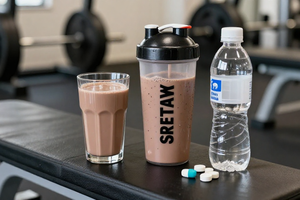
The best pre-workout drink for a beginner is water—and enough of it. Aim to sip about 16 to 20 ounces of water in the two hours before you lift. Being even mildly dehydrated (losing just 1–2 percent of body water) can drop your strength by 5 to 10 percent. For a novice still figuring out proper load, that disadvantage makes everything harder than it needs to be.
If you eat a balanced meal two to three hours before training—lean protein, complex carbs, and some healthy fat—you do not need any special beverage beyond water. If you need something closer to the workout (within 30–60 minutes), go with a small coffee or green tea (no sugar) or a small piece of fruit. Save the sports drinks, the giant cans of Monster or Red Bull, and the soda for after your session or a rest day.
Common pre-workout drink mistakes beginners make
- Drinking too much liquid too fast. Chugging a large bottle right before you start will send you to the bathroom mid-session or cause side stitches. Sip steadily in the hour before.
- Confusing thirst with hunger. Some beginners grab a sugary drink because they feel low-energy, but the real issue is mild dehydration. Drink water first, wait ten minutes, then reassess.
- Assuming “zero sugar” means no problem. Diet sodas still have carbonation and often caffeine plus artificial sweeteners that can cause bloating or digestive upset in some people.