
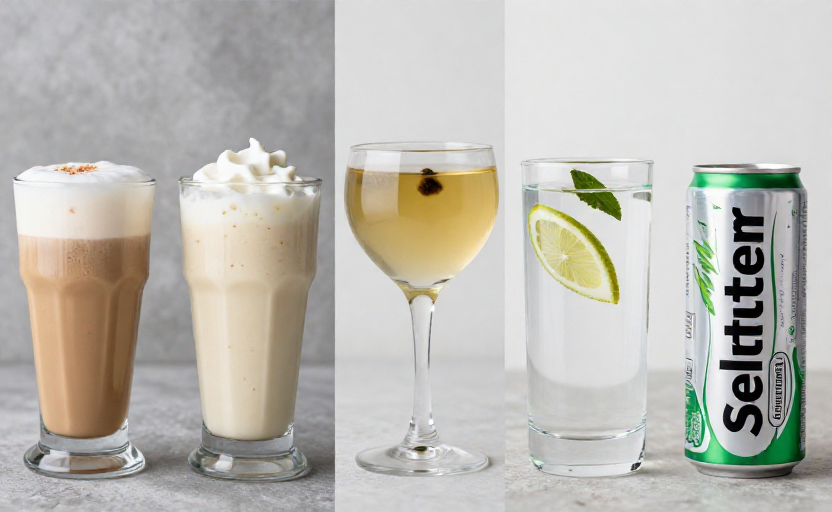
If you’re navigating the frustrating world of adult hormonal acne, you’ve likely scrutinized your skincare routine down to the last ingredient. But the connection between what you drink and the clarity of your skin is a path less traveled, and for many, it’s a revealing one. Hormonal acne, often appearing along the jawline, chin, and lower cheeks, is driven by internal fluctuations. While skincare addresses the surface, certain beverages can influence the very hormonal and inflammatory pathways that lead to those deep, stubborn breakouts.
Understanding this link isn’t about promoting restrictive diets or fostering fear around food. It’s about empowerment through awareness. By identifying common dietary triggers, you can begin to observe patterns unique to your body. This knowledge allows for mindful experimentation—not strict elimination—helping you build a lifestyle that supports your skin’s health from the inside out.
How do drinks affect hormonal acne?
Beverages influence your skin through a few key mechanisms. Primarily, they can cause rapid spikes in blood sugar. This triggers your body to release insulin, a hormone that helps shuttle glucose into your cells. Elevated insulin levels can increase the production of skin oils (sebum) and promote inflammation, two major contributors to acne. Insulin can also affect other hormones, like androgens, which further stimulate oil glands.
Secondly, some drinks have a direct inflammatory effect on the body, exacerbating the red, tender bumps characteristic of hormonal acne. Others may influence cortisol (the stress hormone) or contain compounds that interact with your unique biochemistry. It’s a complex interplay, but focusing on a few common culprits is a practical starting point for many adults.
Which drinks are most commonly linked to breakouts?
While individual responses vary greatly, three categories of beverages frequently emerge in discussions with dermatologists and in observational studies for their potential to worsen hormonal acne.
1. Sugary Coffee Drinks and Specialty Lattes
Your morning coffee itself isn’t necessarily the villain—it’s what’s often added to it. The popular mochas, flavored lattes, and frozen coffee blends are typically loaded with syrups and sugars. A large flavored coffee drink can easily contain 40 to 50 grams of added sugar, which is a significant dose for triggering an insulin response.
The insulin spike from a sugary coffee can turn on oil production and inflammatory signals in the skin within hours.
Furthermore, the combination of caffeine and sugar can be a double-edged sword for some people. Caffeine may temporarily increase cortisol levels, and when paired with a sugar rush, the combined hormonal shift can be a potent breakout trigger for those who are sensitive.
2. Dairy-Based Smoothies and Protein Shakes
Dairy’s relationship with acne is well-documented, though not universal. The concern stems from the hormones and growth factors naturally present in milk, which may interact with our own human hormones. Whey and casein, the proteins found in milk, are particularly noteworthy. Whey protein, a staple in many fitness shakes, has been shown to spike insulin levels significantly, similar to a slice of white bread.
Many commercial smoothies and shakes combine dairy (like milk, yogurt, or whey protein powder) with high-sugar fruits, juices, or sweeteners. This creates a dual trigger: potential hormonal influence from the dairy and a sharp insulin response from the sugars. If you notice a pattern of breakouts after your post-workout shake or daily breakfast smoothie, this combination might be worth exploring.
3. Alcohol, Especially Sugary Mixers and Beer
Alcohol affects the skin in multiple ways. It’s dehydrating, which can compromise the skin’s barrier function and make it appear more inflamed. More importantly for hormonal acne, alcohol can influence hormone levels. It may increase estrogen and cortisol while depleting nutrients like zinc, which is important for skin healing and fighting inflammation.
The mixers are often the bigger issue. Cocktails made with soda, tonic, juice, or pre-made sweet mixes deliver a hefty sugar load alongside the alcohol. Beer, fermented from grains, can also have a high glycemic impact. This one-two punch of alcohol and sugar can disrupt sleep quality, further elevating stress hormones and creating a perfect storm for a breakout a day or two later.
What should you drink instead?
Shifting your focus toward skin-supportive hydration doesn’t mean a life of bland drinks. The goal is to find satisfying alternatives that nourish your body without provoking inflammation or major hormonal swings.
- Herbal and Green Teas: Green tea is rich in antioxidants called catechins, which have been shown to have anti-inflammatory effects and may help reduce sebum production. Herbal teas like spearmint have been studied for their potential anti-androgen effects, which could be beneficial for hormonal acne.
- Simple, Clean Coffee: If you enjoy coffee, try drinking it black or with a small amount of unsweetened plant-based milk. Observing how your skin responds to caffeine alone, without the sugar, can provide useful clues.
- Water, Infused with Flavor: Plain water is the ultimate hydrator. If you find it boring, add slices of cucumber, citrus, berries, or fresh herbs like mint or basil for a refreshing twist without added sugar.
- Mineral Water or Seltzer: The carbonation can satisfy the craving for a soda-like drink. Choose unflavored varieties or those with natural essences rather than added sugars or artificial sweeteners, which can be triggers for some people.
Making changes can feel daunting. Start by keeping a simple log for a few weeks: note what you drink and the condition of your skin 24 to 48 hours later. You might discover your personal triggers are specific—perhaps it’s whey protein but not Greek yogurt, or white wine but not vodka-soda. This personalized data is far more valuable than any blanket rule.
Remember, dietary adjustments are just one piece of the puzzle for managing hormonal acne. They work best alongside a consistent skincare routine, stress management, quality sleep, and guidance from a dermatologist or healthcare provider who can address your individual hormonal health. Be patient and kind to yourself; finding balance is a journey, not a quick fix.