
When you're new to lifting, the focus is often on the rep count or the weight on the bar. But what you put in your glass after your workout is just as important as what you do in the gym. Beginner lifters need to think about two specific recovery goals: replacing the fluids lost through sweat and delivering the nutrients that help repair the microscopic tears in muscle tissue caused by resistance training.
The right post-workout drink does both jobs efficiently. Water alone is fine for hydration, but it doesn't provide the building blocks for muscle repair—protein and key electrolytes. Commercial sports drinks often pack too much sugar and artificial ingredients for a standard lifting session. The sweet spot is a trio of whole-food and minimally processed options that support recovery without overcomplicating your kitchen or your diet.
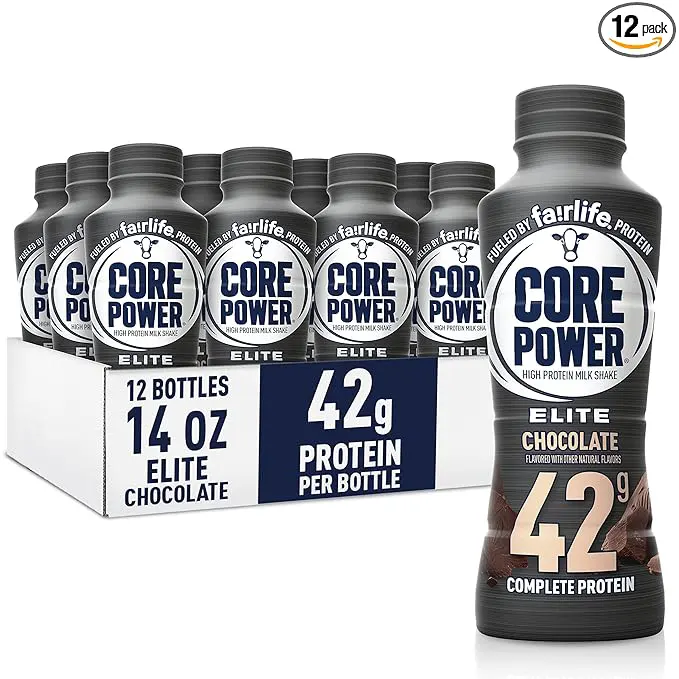
1. Chocolate Milk
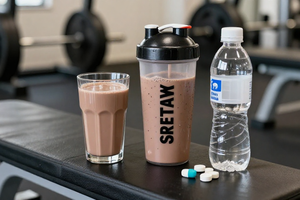
Chocolate milk has earned its reputation as a near-perfect recovery drink for beginner lifters, and the science backs it up. What makes it effective is the natural ratio of carbohydrates to protein—roughly 3:1 or 4:1—which mirrors what researchers recommend for post-exercise replenishment. The carbs refuel your glycogen stores (your muscles' primary energy source), while the protein provides amino acids to start rebuilding tissue.
Look for low-fat or skim chocolate milk to keep saturated fat in check, and opt for brands with less added sugar. If you buy plain milk and add cocoa powder and a touch of maple syrup or honey, you can control the sweetness yourself. A standard 8- to 12-ounce glass within 30 to 60 minutes after lifting is a practical guideline for most beginners.
Quick tip: Cow's milk works best here, but unsweetened soy milk provides a comparable protein profile if you avoid dairy.
2. Tart Cherry Juice
Tart cherry juice doesn't get as much attention as protein shakes, but it deserves a spot in your recovery routine—especially if you're experiencing delayed-onset muscle soreness (DOMS) after learning new lifts. The deep red juice is rich in anthocyanins and polyphenols, plant compounds that help reduce inflammation and oxidative stress caused by intense exercise.
A 2018 study in the Journal of the International Society of Sports Nutrition found that tart cherry juice supplementation reduced muscle strength loss and soreness after strenuous resistance training. For a beginner lifter, that translates to less stiffness between sessions and better consistency in your training schedule. Choose 100% tart cherry juice with no added sugar, and stick to a single 8-ounce serving post-workout. Because it's naturally tart, you can dilute it with still or sparkling water to make it more palatable.
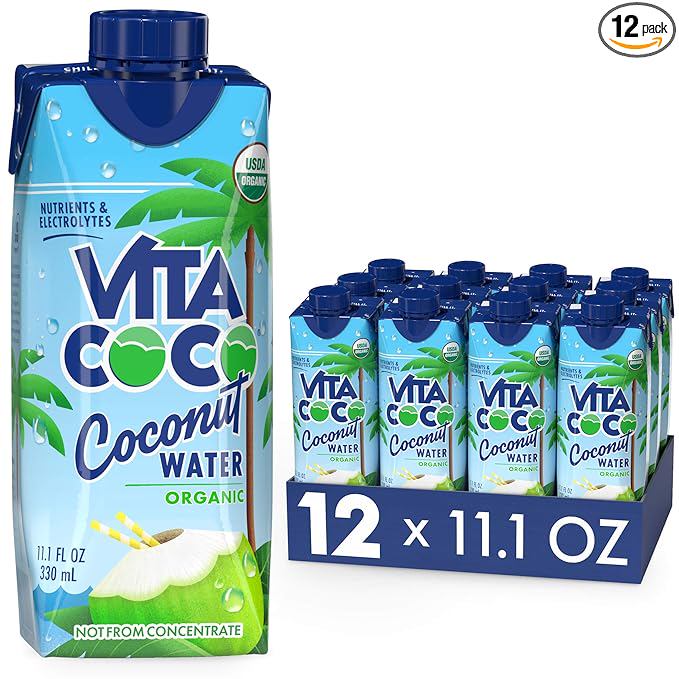
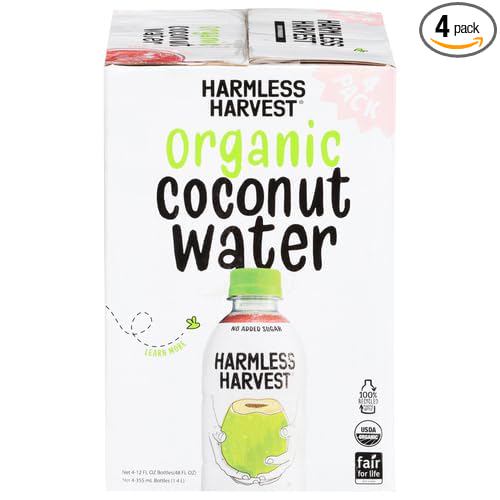
3. Coconut Water (with a Pinch of Salt)
Coconut water is nature's electrolyte drink. It contains significant amounts of potassium—often more than a banana—alongside smaller amounts of sodium, magnesium, and calcium. Replacing electrolytes is crucial for beginners, especially during the first few weeks when your body isn't yet adapted to the fluid losses of resistance training.
However, most commercial coconut water is relatively low in sodium, which is the primary electrolyte lost in sweat. The fix is simple: add a pinch of high-quality sea salt to your glass of plain coconut water. This simple tweak boosts the sodium content to a level that more closely mirrors what your body actually needs after a lifting session. Choose unsweetened, unflavored coconut water (avoid those with added sugar or fruit juice blends) and drink it alongside your post-workout meal or snack.
How to Combine These Drinks in Your Recovery Plan
You don't need to drink all three after every workout. Think of them as a small toolbox. Here is a simple framework for beginner lifters:
- After a moderate lifting session (45–60 minutes): Chocolate milk covers both fluid and nutrient needs in one glass.
- After a high-volume or particularly tough workout: Start with tart cherry juice to manage inflammation, then follow with water. Have a protein-rich meal within the next hour.
- On hot days or if you sweat heavily: Reach for salted coconut water to quickly restore electrolyte balance, then eat your normal post-workout meal.
One note on timing: your body is most receptive to nutrient delivery in the first 30 to 120 minutes after lifting—often called the anabolic window. While you don't need to panic if you miss that exact window, making it a habit to drink one of these options within that period can improve recovery and support consistent progress.
No drink replaces whole food, but for beginner lifters, these three offer a practical bridge between the gym floor and the dinner table. They are affordable, easy to find, and backed by solid research. Stick with them for your first few months of training, and your muscles—and your consistency—will thank you.