
When you're working on fading acne scars, every choice you make—from your skincare routine to what you put on your plate—can either help or hinder the process. What you drink matters, too. Some popular beverages can interfere with your skin's natural repair mechanisms, making it harder for scars to fade. Here are three drinks to reconsider while your skin is healing, plus smarter swaps that support recovery.
Why certain drinks can slow scar healing
Acne scars form when inflammation damages the deeper layers of skin, and the body responds by producing collagen to repair the area. For that repair to go smoothly, your skin needs a steady supply of nutrients, good circulation, and minimal interference from compounds that can inhibit collagen formation or increase inflammation. A few common drinks can throw a wrench in that process.
1. Cow's milk (especially skim)
Multiple observational studies have linked dairy consumption to acne severity, and the connection may extend to scar healing. Milk contains whey and casein proteins that can stimulate insulin-like growth factor 1 (IGF-1), a hormone known to promote inflammation and sebum production. While research specifically on milk and scar healing is limited, higher systemic inflammation is generally associated with slower tissue repair. Skim milk, in particular, has been most consistently linked to acne breakouts, possibly because the processing alters hormone content.
Swap for: Unsweetened almond milk, oat milk, or coconut milk. These plant-based alternatives do not contain the same bovine growth factors and are less likely to trigger an inflammatory response.
2. Sugary sodas and sweetened energy drinks
High-sugar drinks cause a rapid spike in blood glucose and insulin, which can trigger a cascade of inflammatory signals throughout the body. Chronic low-grade inflammation is a known obstacle to wound healing and scar remodeling. Additionally, sugar molecules can bind to collagen fibers in a process called glycation, making collagen stiff and less functional. Over time, glycation contributes to premature aging and may impair the skin's ability to rebuild a smooth scar structure.
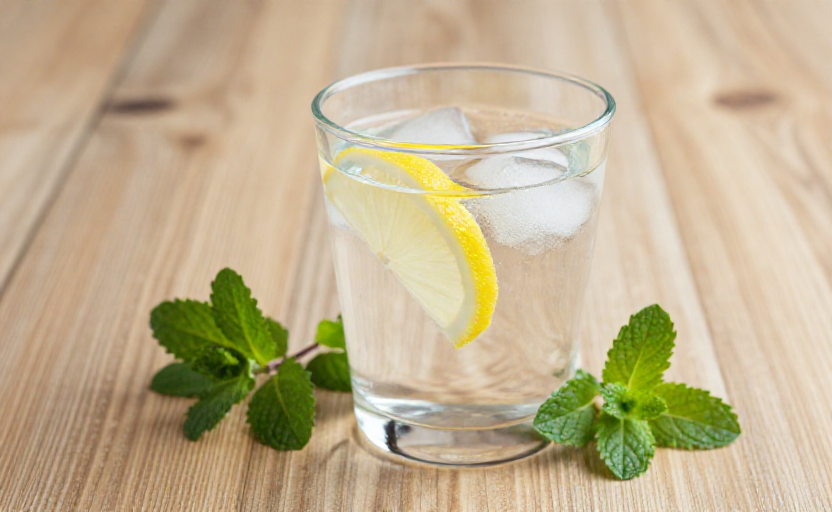
Swap for: Sparkling water with a squeeze of lemon or lime, unsweetened iced herbal tea, or plain water infused with cucumber or berries. These options hydrate without the sugar load.
3. Alcohol (especially in excess)
Alcohol dehydrates the body and dilates blood vessels, which can increase redness and swelling around healing scars. It also depletes key nutrients like vitamin A, vitamin C, and zinc—all essential for collagen synthesis and immune function. Even moderate drinking can disrupt sleep quality, and restorative sleep is when much of the skin's repair work happens. For someone actively trying to fade post-inflammatory hyperpigmentation or atrophic scars, regular alcohol intake can noticeably slow progress.
Swap for: A non-alcoholic “mocktail” made with sparkling water, a splash of tart cherry juice (rich in antioxidants), and a sprig of mint. Or simply upgrade your water habit with a slice of citrus and a few frozen berries.
Other drinks to approach with caution
While the three above are the main culprits, a few other beverages deserve mention:
- Fruit juices (even 100% juice) can contain as much sugar as soda. A 12-ounce glass of apple juice has about 36 grams of sugar—almost the same as a cola. Diluting juice with water or seltzer can reduce the sugar load.
- Flavored lattes and coffee drinks often pack multiple pumps of syrup along with milk. If you tolerate dairy, a plain black coffee or an Americano keeps the sugar low and the antioxidant benefits high.
- Smoothies can be a gray area. A homemade smoothie with unsweetened plant milk, greens, and berries is generally supportive of skin health, but many store-bought versions are sugar bombs. Read labels or make your own.
What actually helps scar healing
While avoiding problematic drinks is a good step, the flip side is choosing beverages that actively support repair. Water remains the gold standard—adequate hydration improves skin elasticity and nutrient delivery to healing cells. Green tea is rich in epigallocatechin gallate (EGCG), a polyphenol that has been shown to reduce inflammation and protect collagen. Unsweetened bone broth provides glycine and proline, two amino acids that are building blocks of collagen. And a small glass of pomegranate juice (about 4 ounces) delivers antioxidants called punicalagins that may help reduce oxidative stress in the skin.
A quick rule of thumb: if a drink leaves your mouth feeling sticky or gives you an energy jolt followed by a crash, it's probably fighting your scar-healing efforts.
Building a skin-supportive hydration habit
You don't need to overhaul your entire diet overnight. Start by swapping one problem drink per day for a healthier option. Keep a reusable water bottle on your desk or in your bag as a visual reminder. If you crave flavor, try adding mint leaves, cucumber slices, or a few frozen raspberries to cold water. Herbal teas like chamomile, rooibos, and ginger can be enjoyed hot or iced and count toward your daily fluid intake. Small, consistent changes add up over the weeks it takes for scars to remodel.