
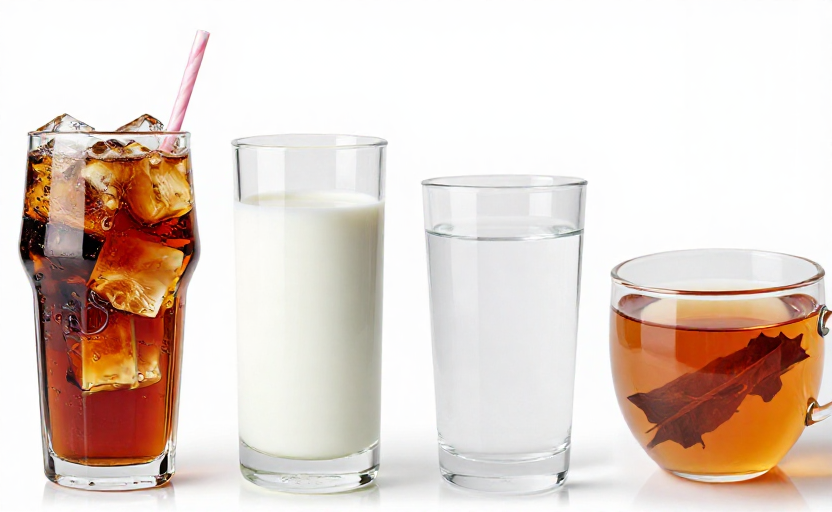
If you’re navigating the world of teen skin, you know breakouts can feel like a daily puzzle. While skincare routines get most of the attention, what you drink plays a surprisingly direct role in your skin’s clarity. Certain beverages can influence hormones and inflammation in ways that make pores more prone to clogging. The good news is that being mindful of a few key drinks can be a simple, effective step toward a calmer complexion.
This isn’t about strict rules or deprivation. It’s about understanding the connection and making informed choices that support your skin from the inside out. Let’s look at the three main drink categories that are most commonly linked to increased breakouts in acne-prone skin.
Sugary Sodas and Sweetened Drinks
This is often the biggest culprit. The link between high-sugar drinks and acne is well-supported by research. When you consume a soda, sweetened iced tea, or an energy drink, the rapid spike in blood sugar triggers a cascade in your body.
Your pancreas releases insulin to manage the sugar. This insulin surge can stimulate oil glands to produce more sebum, the oily substance that, when overproduced, mixes with dead skin cells and clogs pores. Higher insulin levels can also increase the production of androgens, hormones that further drive oil production.
Think beyond the label “sugar.” Ingredients like high-fructose corn syrup, cane sugar, and agave nectar all have a similar effect on blood sugar and insulin.
It’s not just about the sugar content, either. The glycemic load—how quickly a food or drink causes your blood sugar to rise—is key. Liquid sugar is absorbed almost instantly, creating a sharper spike than you’d get from eating a sugary food with fiber. This makes sugary drinks particularly problematic for inflammation and hormonal fluctuations that affect skin.
Dairy Milk (Especially Skim)
For many teens, dairy milk can be a subtle trigger. Studies have consistently shown an association, particularly with skim milk. The reasons are thought to be twofold.
First, milk naturally contains hormones and growth factors meant to help a calf grow. When we consume it, these compounds may interact with our own human hormones, potentially influencing oil gland activity. Second, the whey and casein proteins in milk can stimulate insulin production, similar to sugary foods, creating that familiar chain reaction leading to more oil and inflammation.
Skim milk often shows a stronger link to acne than whole milk. Researchers theorize that removing the fat changes the beverage’s bioactivity and that the processing of skim milk may increase its insulin-spiking effect.
This doesn’t mean everyone with acne must eliminate dairy. For some, it’s a significant factor; for others, it’s minimal. Noticing if your skin changes after a glass of milk or a bowl of ice cream can be useful personal insight.
Whey Protein Shakes and Powders
This one might come as a surprise, especially for active teens using protein supplements to support fitness goals. Whey protein, derived from milk, is a common base for many shakes and powders.
Like the proteins in liquid milk, whey protein is highly insulinogenic—it causes a significant release of insulin. It also boosts levels of insulin-like growth factor 1 (IGF-1), a hormone linked to increased sebum production and skin cell growth, both of which can contribute to clogged pores.
If you use these supplements regularly and struggle with persistent body or facial acne, the connection is worth considering. The concentrated, isolated protein in these products can have a more pronounced effect on your hormones than a glass of milk would.
What to Reach For Instead
Shifting focus away from restriction and toward nourishing choices feels more positive and sustainable. The cornerstone of any skin-friendly hydration plan is simple: water. Staying well-hydrated helps your body flush toxins, supports skin cell turnover, and maintains your skin’s natural moisture barrier.
If you miss flavor, try these alternatives:
- Infused water with slices of cucumber, lemon, mint, or berries.
- Sparkling water with a splash of 100% fruit juice.
- Herbal teas, served iced or hot, like peppermint or chamomile.
- Green tea, which contains antioxidants that may help reduce inflammation.
For milk alternatives, unsweetened options like oat, almond, or soy can be good substitutes in cereal or smoothies. Just check the label to ensure they’re not loaded with added sugars.
A Balanced Perspective
It’s crucial to remember that acne is complex. Genetics, stress, skincare habits, and overall diet all interact. No single drink causes acne, and eliminating these beverages won’t be a magic cure for everyone.
The goal is observation and moderation, not perfection. Pay attention to how your skin responds over a few weeks if you reduce your intake of these drinks. You might find one affects you more than others. This kind of mindful approach is a powerful tool—it puts you in tune with your body and empowers you to make choices that help your skin look and feel its best.