
Dark circles under the eyes can make anyone look tired, regardless of how well they slept. While topical creams and concealers offer temporary fixes, what you put on your plate may play a more significant role in addressing the root causes. Dietitians point to specific nutrients that support circulation, collagen production, and skin health—key factors in reducing the appearance of dark circles.
Rather than reaching for another eye cream, consider adjusting your grocery list. Here are three dietitian-approved foods that target dark circles from the inside out.
Why Diet Matters for Under-Eye Circles
Dark circles can stem from several causes: genetics, thinning skin, poor circulation, allergies, or iron deficiency. While no single food is a cure, a diet rich in certain vitamins and minerals can strengthen the delicate skin under your eyes and improve blood flow. The result is a more even, rested appearance over time.
1. Iron-Rich Leafy Greens
Iron deficiency is a common contributor to dark circles, particularly those with a bluish tint beneath the eyes. When your body lacks iron, blood oxygen levels drop, and the thin skin under the eyes can reveal that bluish tone more prominently.
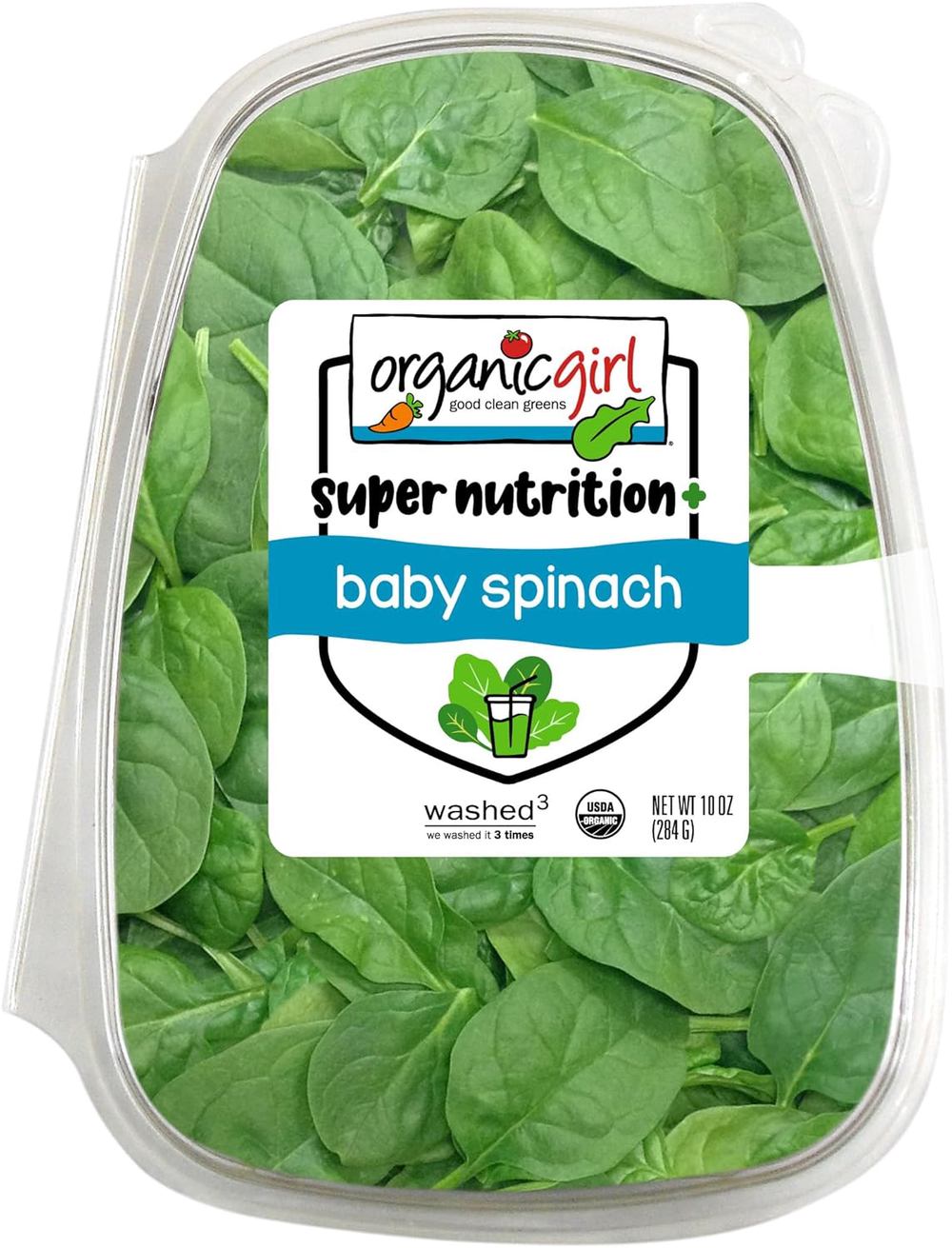
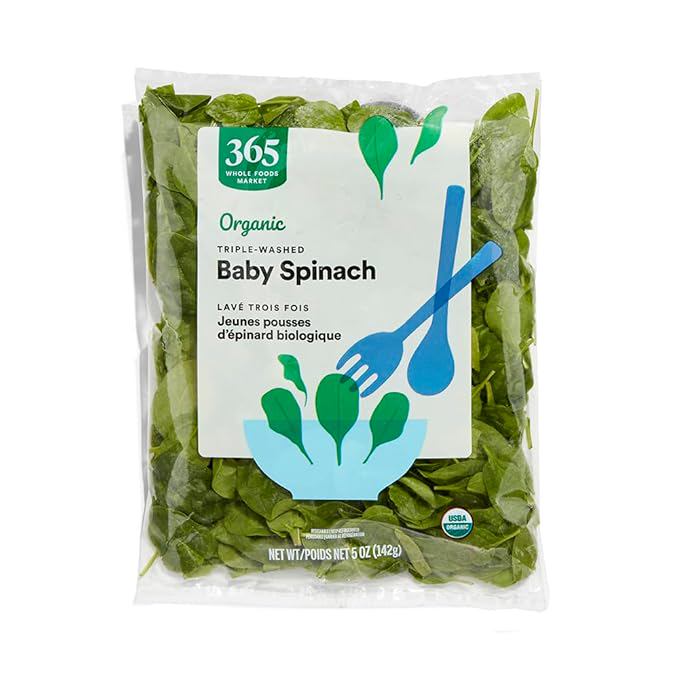
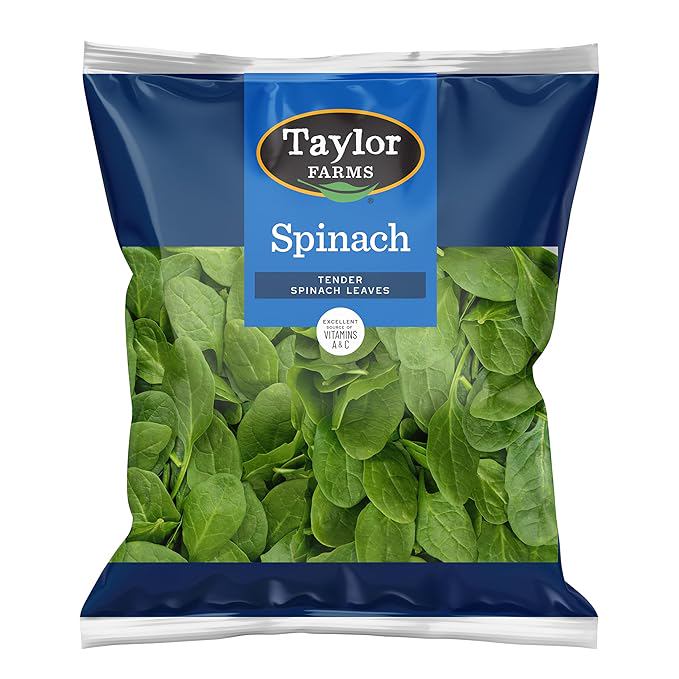
Spinach, kale, Swiss chard, and collard greens are excellent sources of non-heme iron. Pair them with vitamin C-rich foods like lemon juice or bell peppers to boost absorption. A daily salad or a handful of spinach in your morning smoothie can help restore iron levels naturally.
How to Add More to Your Day
- Add a handful of fresh spinach to omelets or scrambled eggs
- Blend kale into fruit smoothies with orange juice for better iron absorption
- Sauté Swiss chard with garlic as a side dish for dinner
2. Vitamin C-Rich Fruits
Vitamin C is essential for collagen production. Collagen gives skin its structure and elasticity, and the area under your eyes is especially thin and delicate. When collagen breaks down due to aging or environmental stress, dark circles and fine lines become more visible.
Citrus fruits, strawberries, kiwi, and bell peppers are all rich in vitamin C. Berries also contain antioxidants that fight free radicals, which can otherwise accelerate skin aging and worsen dark circles.
“Vitamin C doesn’t just support immunity—it strengthens the skin’s foundation,” says one registered dietitian. “For under-eye concerns, consistent intake matters more than occasional high doses.”
Simple Ways to Eat More Vitamin C
- Snack on strawberries or sliced bell peppers with hummus
- Add kiwi slices to yogurt or oatmeal
- Squeeze fresh lemon or lime over salads, fish, or water
3. Healthy Fats and Vitamin E
The skin under your eyes needs adequate moisture and protection to stay plump and resilient. Vitamin E is a fat-soluble antioxidant that helps protect skin cells from oxidative damage. Healthy fats from nuts, seeds, and avocados also support the absorption of fat-soluble vitamins and help maintain skin hydration.
Almonds, sunflower seeds, and avocados are particularly rich in vitamin E. Including them in your diet can help reduce the appearance of fine lines and support overall skin health.
Think of healthy fats as internal moisturizers. They help maintain the skin barrier, which keeps the under-eye area looking smoother.
Easy Ways to Include Healthy Fats
- Top salads with a handful of almonds or sunflower seeds
- Spread half an avocado on whole-grain toast
- Use avocado oil or olive oil in salad dressings
Consistency is key. While a single meal won't erase dark circles overnight, a balanced diet that includes these three food types can support lasting improvements in skin health. Pairing these foods with adequate sleep, sun protection, and hydration will give you the best results.
Remember: persistent or severe dark circles may signal an underlying health issue such as allergies, thyroid problems, or chronic dehydration. Consult a healthcare provider for a full evaluation if diet and lifestyle changes don't help.