
Acne is often discussed in terms of topical creams and cleansers, but what you put on your plate can play an equally important role. While a skincare routine helps manage the surface, your diet addresses internal factors like inflammation, blood sugar regulation, and hormone balance. Over time, making consistent, thoughtful nutrition changes can help reduce breakouts and support clearer skin.
Below are three diet and nutrition shifts that dermatologists and nutritionists often recommend for people looking to manage acne long-term. These are not quick fixes — they are sustainable habits that support your skin’s health from the inside out.
1. Lower your glycemic load
One of the most well-supported dietary changes for acne is reducing high-glycemic foods. These are foods that cause a rapid spike in blood sugar — think white bread, sugary cereals, cookies, chips, and sweetened drinks. When your blood sugar rises quickly, your body produces more insulin and insulin-like growth factor 1 (IGF-1). Elevated levels of these hormones can stimulate your sebaceous glands to produce more oil and increase skin cell turnover, both of which contribute to clogged pores and breakouts.
Instead of eliminating carbs entirely, focus on swapping refined carbohydrates for whole, fiber-rich alternatives. Replace white rice with quinoa or brown rice, choose whole-grain bread over white bread, and snack on fresh fruit instead of fruit juice or candy. These swaps slow down digestion and prevent sharp blood sugar spikes, which can help keep acne-triggering hormones in check.
2. Incorporate anti-inflammatory foods
Acne is, at its core, an inflammatory condition. While topical treatments can calm redness on the surface, eating anti-inflammatory foods can help reduce systemic inflammation that fuels breakouts. Omega-3 fatty acids, in particular, are known for their ability to lower inflammatory markers in the body.
Good sources of omega-3s include fatty fish like salmon, mackerel, and sardines, as well as flaxseeds, chia seeds, and walnuts. Aim to include these in your meals several times a week. In addition, colorful fruits and vegetables — such as berries, spinach, carrots, and bell peppers — provide antioxidants that protect skin cells from oxidative stress and may help speed up healing after a breakout.
A simple daily habit: Add a handful of spinach or kale to a smoothie, and top your oatmeal with fresh berries. These small changes add up over time.
3. Support your gut-skin axis
The connection between your gut microbiome and skin health is an emerging area of research, but the principle is straightforward: a healthy gut can mean clearer skin. When your gut bacteria are out of balance — often due to a diet high in processed foods, low in fiber, or disrupted by stress — it can lead to increased intestinal permeability. This allows inflammatory substances to enter your bloodstream and potentially trigger or worsen acne.
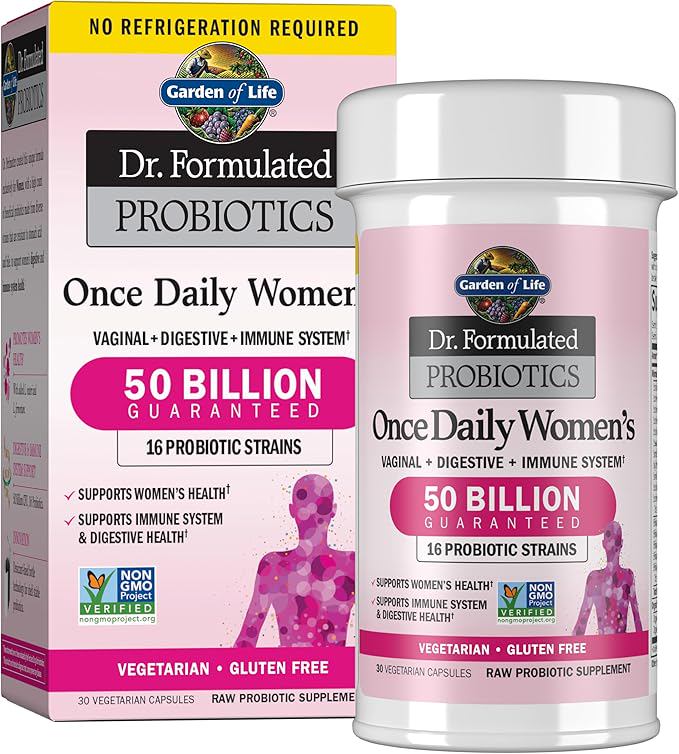
To support gut health, focus on fiber-rich foods and fermented foods. Vegetables, legumes, oats, and nuts feed beneficial gut bacteria. Fermented foods like yogurt, kefir, sauerkraut, kimchi, and kombucha introduce live probiotics that can help maintain a diverse and balanced microbiome. Drinking plenty of water also helps keep your digestive system running smoothly and your skin well-hydrated.
What about dairy?
Dairy is a common topic in acne discussions, though the evidence is mixed. Some studies suggest that skim milk, in particular, may be associated with a higher risk of breakouts due to its effect on insulin and IGF-1 levels. However, not everyone reacts the same way. If you suspect dairy is a trigger for you, try eliminating it for three to four weeks and note any changes in your skin. Then reintroduce it slowly to see if breakouts return. This can help you determine whether dairy plays a role in your individual case.
Putting it all together
The most effective nutrition strategy for acne is one you can stick with over the long haul. Rather than trying a drastic elimination diet or chasing the latest superfood, aim for a balanced approach: reduce high-glycemic foods, eat anti-inflammatory whole foods, and support your gut with fiber and probiotics. Be patient — it can take several weeks or even months for dietary changes to show visible effects on your skin.
As with any health concern, it is wise to consult a dermatologist or registered dietitian before making major shifts to your diet, especially if you are considering cutting out entire food groups. They can help you create a personalized plan that supports both your skin and your overall wellness.