
You might be aggravating your sensitive red skin without even realizing it. Many people assume that reactive skin is simply a matter of genetics or random flare-ups, but the truth is often much more mundane. Everyday routines—things you do on autopilot—can be the hidden culprits that keep your skin in a constant state of irritation.
We are going to look at three common routine mistakes that can inflame sensitive red skin. Recognizing these patterns and making simple adjustments can do more for your complexion than any complicated skincare regimen. Let's break down what might be going wrong and how to fix it without adding more products to your shelf.
Mistake #1: Overwashing and Harsh Cleansing
It sounds counterintuitive: if your skin feels oily or dirty, you should wash it more, right? Not always. For sensitive red skin, overwashing strips away the protective barrier. This barrier, made of natural oils and lipids, keeps moisture in and irritants out. When you wash your face too often—or use a cleanser that foams aggressively—you remove these essential defenses.
The skin responds by becoming dry, tight, and red. In an attempt to compensate, it may even produce more oil. This cycle is exhausting for your skin. A better approach is to wash your face no more than twice a day with a gentle, non-foaming cleanser that supports barrier health. If you wear makeup or sunscreen, double-cleanse with an oil-based balm first, then a mild cream cleanser. You want to clean without sudsing away your skin's natural resilience.
Quick check: If your face feels tight or stings after washing, your cleanser is likely too harsh. Switch to a creamy, soap-free formula.
Mistake #2: Overlooking Inflammatory Ingredients in Skincare Products
It is easy to fall into the trap of using products that smell nice or feel luxurious on the skin. But for reactive red skin, fragrance and essential oils are common troublemakers. Many people do not realize that even natural scents like lavender or citrus can be highly irritating. Preservatives, dyes, and certain alcohols (like denatured alcohol) also rank high on the irritation scale.
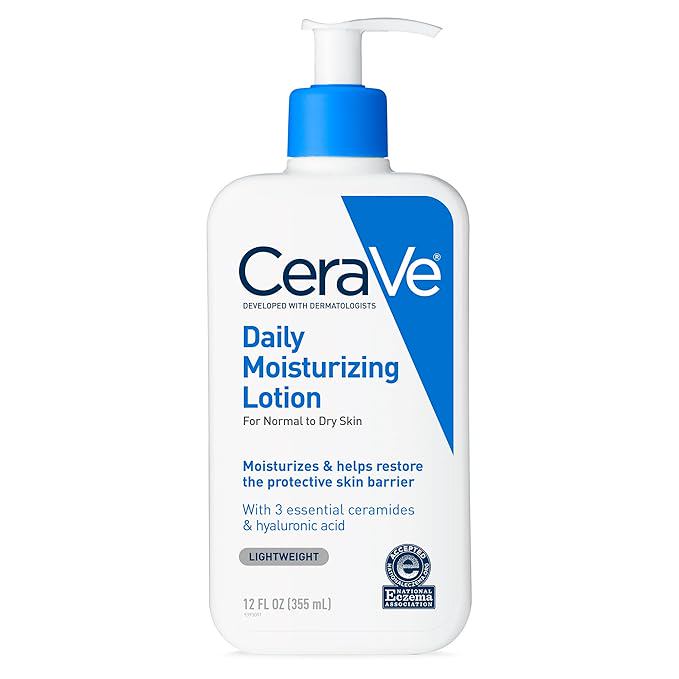
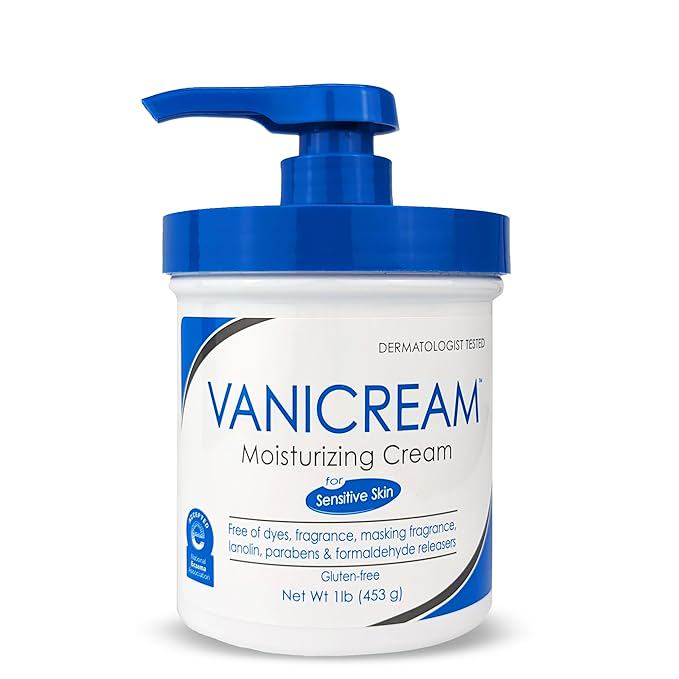
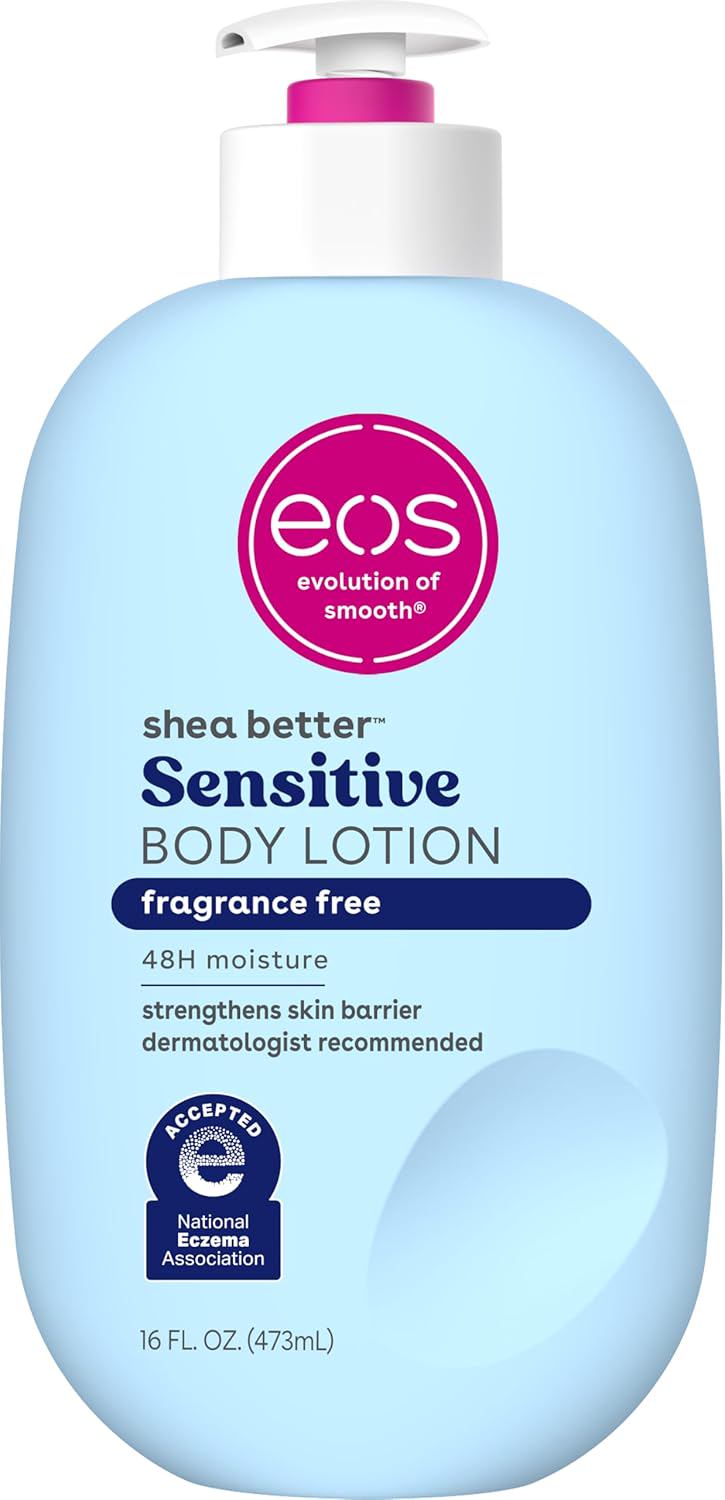
Your skincare routine should be simple. A rinse-off cleanser, a hydrating moisturizer with few ingredients, and a mineral sunscreen are typically enough. Look for labels that say “fragrance-free” and “for sensitive skin.” Avoid anything that lists “parfum” or multiple botanical extracts.
How to read a label for sensitive skin
- Check the ingredient list for the first five to seven items—these make up most of the product.
- If you see any form of alcohol (SD alcohol, denatured alcohol), essential oils, or multiple fragrance components, put it back.
- Products with hyaluronic acid, glycerin, niacinamide, or ceramides are usually safer bets for calming inflammation.
Simply switching to a fragrance-free moisturizer can reduce redness significantly within a week. Giving your skin fewer things to react to is often the fastest path to calm.
Mistake #3: Ignoring Lifestyle Factors That Trigger Flare-Ups
Skincare is not only about what you put on your face. Your lifestyle choices play a major role in how your skin behaves. Three factors consistently provoke sensitive red skin: stress, diet, and sleep.
Stress triggers a hormonal response that can increase oil production and inflammation. Even low-grade daily anxiety—like feeling rushed every morning—can keep your skin in a reactive state. Finding a few minutes to breathe deeply or step away from a screen can lower cortisol levels and visibly calm redness over time.
Dietary triggers vary from person to person, but common culprits include spicy foods, alcohol, caffeine, and dairy. Keeping a simple food diary for a week can help you identify a connection between what you ate and when your skin flared. You do not need to eliminate everything; just notice patterns. For example, if you notice that redness worsens after coffee or a glass of red wine, cutting back for a few days may produce noticeable improvement.
Sleep is when your skin repairs itself. Poor sleep or insufficient rest leads to higher cortisol and impaired barrier function. If you are sleeping fewer than seven hours a night, your skin cannot recover from daily irritants. Aim for consistent, uninterrupted sleep—your skin will thank you.
One simple tip: Keep your bedroom cool (around 65-68°F) and use a humidifier if the air is dry. This helps your skin hold onto moisture while you rest.
Addressing these three mistakes—overwashing, using irritating ingredients, and ignoring lifestyle factors—can transform sensitive red skin. You do not need a cabinet full of serums. Often, the most effective treatment is to stop doing the things that make your skin angry. If redness persists despite these changes, or if you experience significant discomfort, it is worth consulting a dermatologist for personalized guidance.