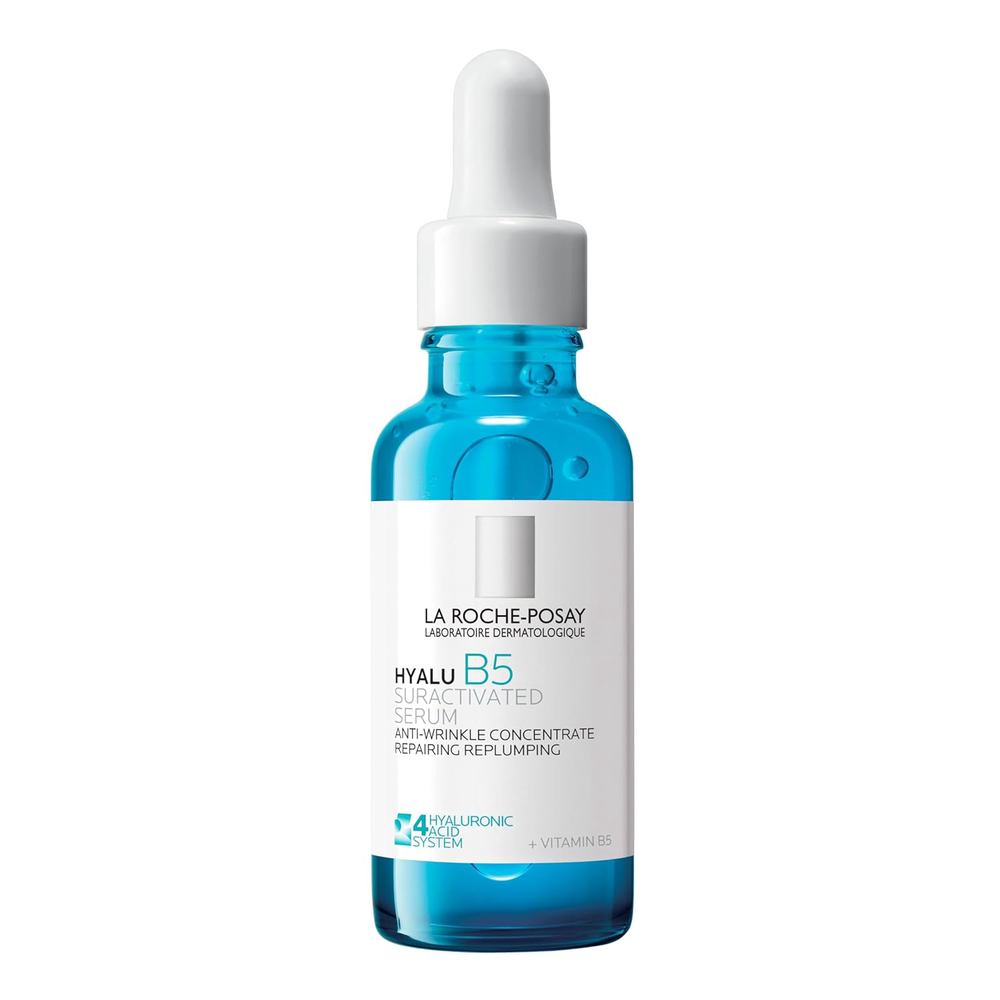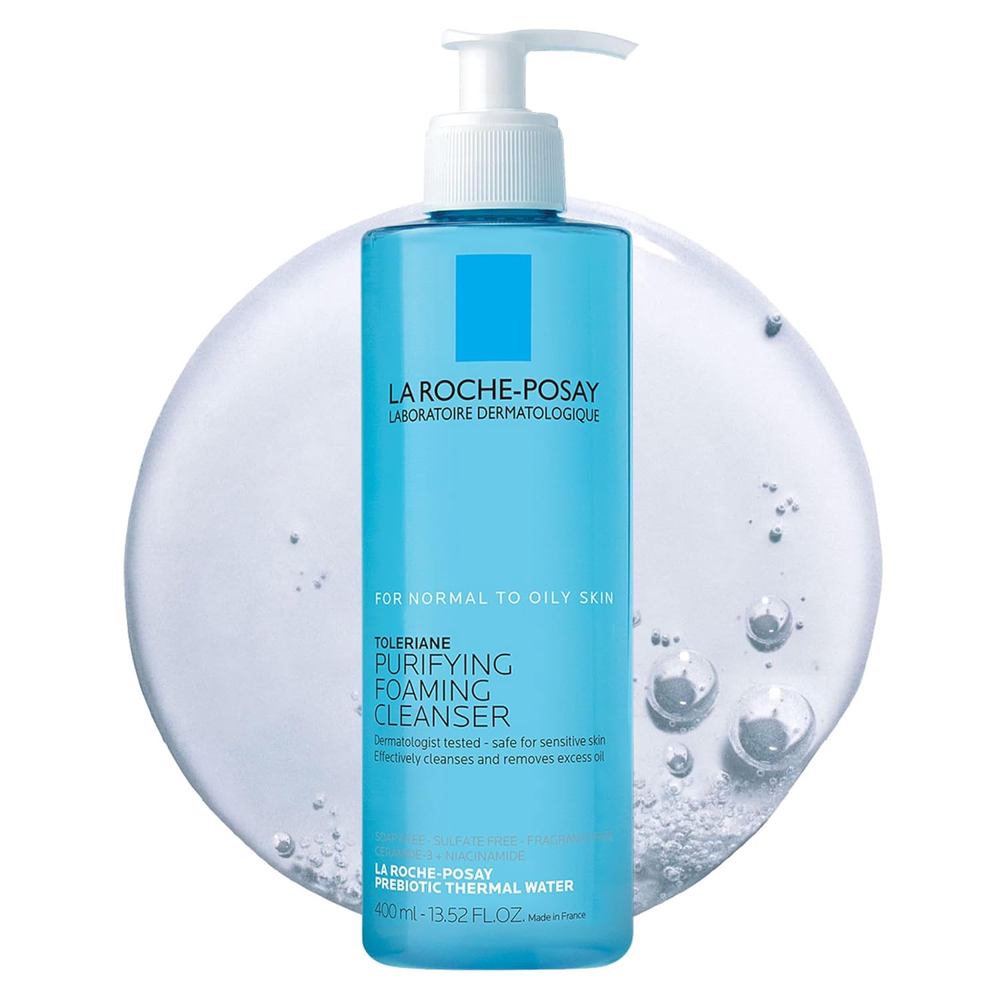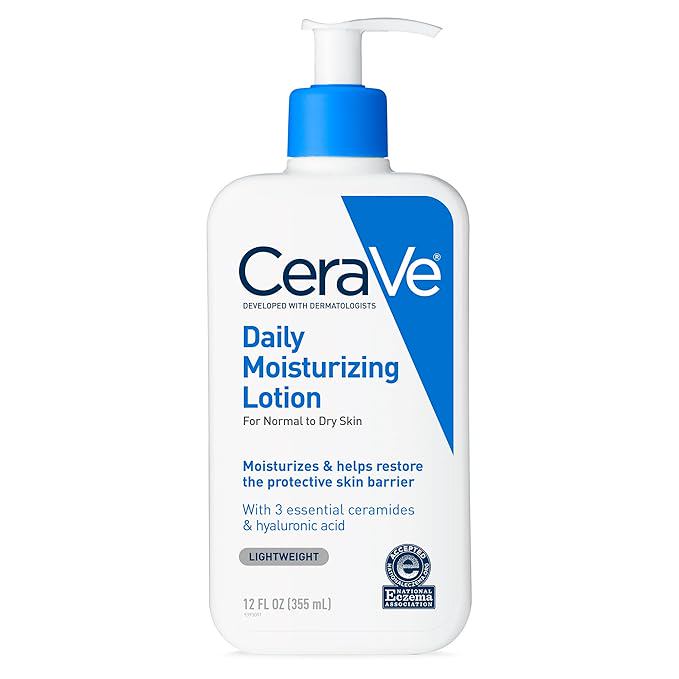

If you have sensitive, oily skin, you know the daily balancing act. You want to manage shine and prevent breakouts, but many products that promise to help end up causing more irritation, redness, or dryness. The problem often isn't your skin itself, but the common product choices and habits that work against it.
Understanding these pitfalls is the first step toward a calmer, clearer complexion. Let's explore three frequent mistakes that can irritate sensitive, oily skin and how to make more supportive choices.
Mistake 1: Over-stripping with harsh cleansers and astringents
It's a natural instinct: your skin feels oily, so you reach for the strongest cleanser you can find. Products labeled "deep pore," "oil-control," or "clarifying" often contain high concentrations of sulfates, alcohols (like denatured alcohol or SD alcohol), or strong surfactants. While they create that satisfying, squeaky-clean feeling, they're doing more harm than good.
These harsh ingredients strip away all the oil from your skin's surface. In response, your sebaceous glands can go into overdrive, producing even more oil to compensate for the sudden deficit. This can lead to increased shine and potentially more clogged pores. More critically for sensitive skin, stripping the skin's natural lipid barrier leaves it vulnerable. This compromises its ability to retain moisture and protect itself from environmental irritants, leading to redness, tightness, and a weakened skin barrier.
Your goal is to cleanse the skin, not punish it. A gentle approach preserves your natural defenses.
What to look for instead: Opt for gentle, water-soluble gel or cream cleansers. Key terms on the label should include "non-comedogenic," "pH-balanced," and "soap-free." Effective, gentle ingredients include ceramides, glycerin, and mild surfactants like coco-glucoside. The post-cleanse feeling should be one of cleanliness, not tightness or squeakiness.
Mistake 2: Skipping moisturizer because your skin feels oily
This is perhaps the most pervasive myth for oily skin types. The logic seems sound—why add moisture when there's already too much oil? But oil and moisture are not the same. Oil (sebum) is produced by sebaceous glands. Hydration is the water content within your skin.
When you cleanse or use active ingredients, you remove oil and can also deplete water. If you don't replenish that water with a hydrating agent (a moisturizer), your skin can become dehydrated. Dehydrated skin may overproduce oil to try to lubricate the parched surface, exacerbating oiliness. For sensitive skin, this dehydration state makes it more prone to irritation and visible reactivity.
What to look for instead: The key is choosing the right type of moisturizer. Avoid heavy, occlusive creams that can feel suffocating. Instead, seek out lightweight, oil-free, and non-comedogenic lotions, gels, or fluid formulations. Look for hydrating ingredients that support the skin barrier without adding grease:
- Hyaluronic Acid: A humectant that draws water into the skin without a heavy feel.
- Niacinamide: Helps regulate oil production, soothe redness, and improve the skin barrier.
- Zinc PCA: Gently helps control sebum.
- Squalane: A lightweight, biocompatible oil that mimics the skin's own sebum, providing moisture without clogging pores.
Mistake 3: Using physical scrubs or rough tools on reactive skin
The desire to physically scrub away oil, dead skin, and blackheads is strong. However, sensitive, oily skin often reacts poorly to coarse physical exfoliants—think scrubs with large, jagged particles, rough brushes, or abrasive cleansing tools. These methods can create micro-tears in the skin's surface, further damaging an already vulnerable barrier. This leads to immediate redness, inflammation, and can spread bacteria, potentially worsening breakouts.
It's not that exfoliation isn't beneficial; it is. Removing dead skin cells helps prevent pore clogging. The mistake is in the method.
What to look for instead: Chemical exfoliation is typically a gentler, more effective path for sensitive, oily skin. These ingredients work by dissolving the bonds between dead skin cells, allowing them to slough away evenly without physical abrasion.
- Lactic Acid (an AHA): A milder acid that exfoliates while also having hydrating properties.
- Salicylic Acid (a BHA): Oil-soluble, meaning it can exfoliate inside the pore lining, making it excellent for oily and acne-prone skin. Start with low concentrations (0.5%-2%).
- Polyhydroxy Acids (PHAs) like Gluconolactone: Larger molecules that work on the surface more gently and are known for being well-tolerated by sensitive skin.
Introduce any chemical exfoliant slowly, starting with once or twice a week, and always follow with moisturizer and sunscreen during the day.
Caring for sensitive, oily skin is less about aggressive control and more about respectful balance. By avoiding these three common product mistakes—over-stripping, skipping moisture, and harsh physical exfoliation—you allow your skin's natural barrier to strengthen. This foundation of health is what ultimately leads to less reactivity, more balanced oil production, and a clearer, calmer complexion. Listen to your skin's feedback; comfort is a better guide than any marketing claim.