
You finish your evening routine, hoping to wake up to a calm, clear complexion. But instead, the morning brings a shiny forehead, clogged pores, or a new breakout. If this sounds familiar, the culprit might be hiding in your nightly habits. For those with oily skin, the wrong choices before bed can amplify oil production and compromise your skin's balance while you sleep.
Understanding these common missteps is the first step toward a more harmonious relationship with your skin. It’s not about a complete overhaul, but about making a few mindful adjustments to support your skin’s natural rhythm.
Why does nighttime matter so much for oily skin?
Your skin doesn’t clock out when you do. In fact, it enters a prime state of repair and regeneration. This overnight process includes regulating sebum (oil) production. Disrupting this cycle with harsh or occlusive products, or skipping essential steps, can send your oil glands into overdrive. The goal isn’t to strip your skin bone-dry—that often triggers a rebound effect of even more oil—but to nurture a balanced environment.
Think of your nighttime routine as setting the stage for your skin’s overnight renewal. The right habits support this process; the wrong ones can derail it.
Habit 1: Using a harsh, stripping cleanser
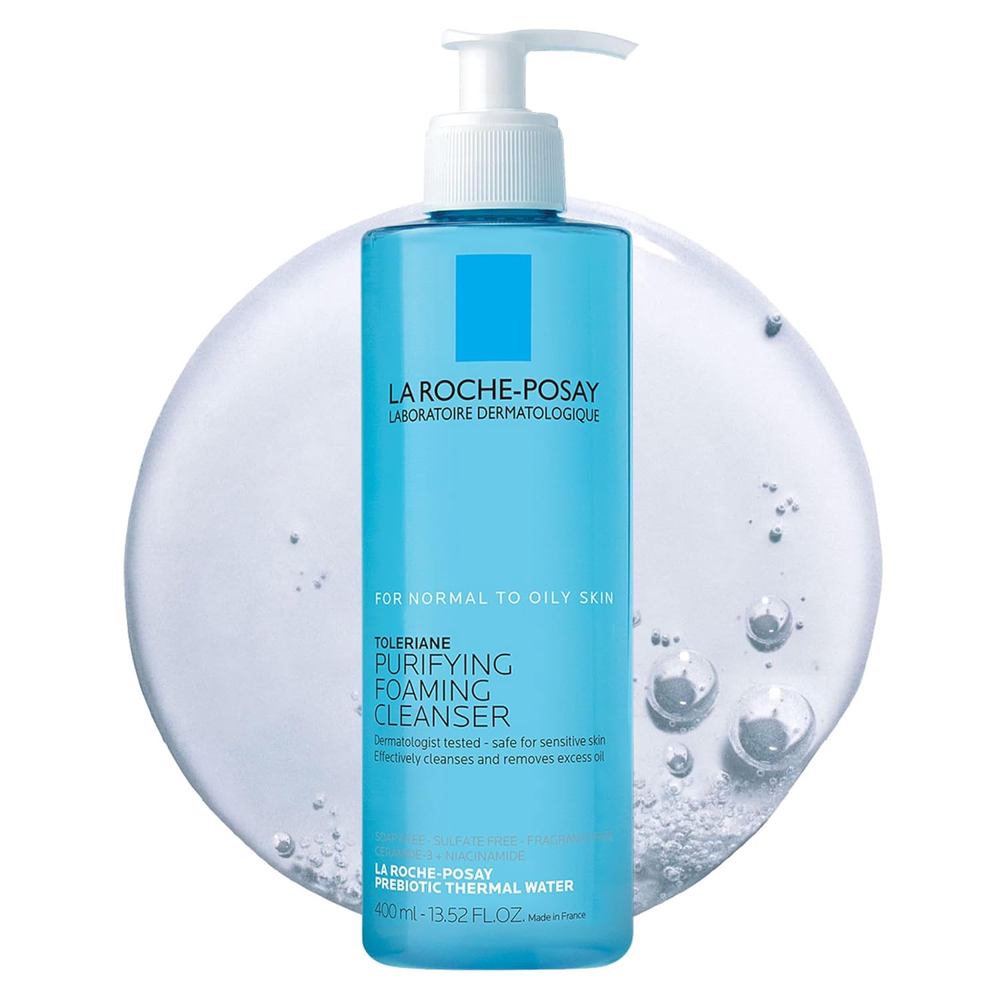
It’s a logical but flawed reaction: skin feels oily, so you reach for the most powerful, squeaky-clean cleanser you can find. This habit can backfire spectacularly. Cleansers that leave your skin feeling tight and parched often contain high levels of sulfates or alcohols that strip away not just excess oil, but also essential lipids and moisture.
Your skin’s response? A panic signal to produce even more oil to compensate for the perceived drought. This creates a frustrating cycle of over-cleansing and increased shine.
What to do instead:
- Opt for a gentle, water-soluble gel or foaming cleanser. Look for terms like “balanced,” “pH-appropriate,” or “non-comedogenic” on the label.
- The right cleanser should remove dirt, makeup, and excess oil without that uncomfortable, tight sensation afterward.
- Double cleansing can be a game-changer if you wear makeup or sunscreen. Start with an oil-based balm or micellar water to dissolve products, followed by your gentle facial cleanser.
Habit 2: Skipping moisturizer
This is perhaps the most pervasive myth for oily skin: “If my skin is oily, it doesn’t need moisture.” Hydration and oil are controlled by different mechanisms in the skin. When you skip moisturizer, you risk dehydrating your skin’s surface. Dehydrated skin can then overcompensate by producing more sebum, leading to that unwanted shiny-yet-flaky combination.
A good nighttime moisturizer provides lightweight hydration that helps maintain your skin’s barrier function. A strong, healthy barrier is better at regulating itself.
What to look for:
- Oil-free or non-comedogenic formulas are designed not to clog pores.
- Ingredients like hyaluronic acid or glycerin attract and bind water to the skin without adding heaviness.
- Niacinamide is a standout ingredient that can help regulate sebum production and improve barrier function over time.
Habit 3: Sleeping on dirty fabrics
Consider what your face presses against for six to eight hours each night. Pillowcases, while cozy, are magnets for oil, sweat, dead skin cells, and hair products. Night after night, this buildup transfers back onto your skin, potentially clogging pores and introducing bacteria that can worsen breakouts.
Your hair care routine also plays a role. Heavy oils, leave-in conditioners, or styling products can migrate from your hair to your skin and pillowcase, contributing to congestion along the hairline and temples.
Simple changes make a big difference:
- Change your pillowcase at least once a week, or twice if you’re particularly prone to breakouts.
- Consider fabrics like silk or satin, which may create less friction and absorb less moisture than cotton.
- If you use overnight hair treatments, try wrapping your hair in a silk scarf or using a loose cap to contain products.
Building a supportive nighttime routine
Shifting away from these habits creates space for a routine that works with your skin. Consistency is more valuable than complexity. A simple, reliable pattern allows your skin to settle into a balanced state.
An effective framework might look like this:
- Cleanse gently to remove the day.
- Apply any targeted treatments (like a salicylic acid serum for pores) on dry skin.
- Follow with a lightweight, balancing moisturizer to hydrate and support your barrier.
Remember, progress with skin is rarely overnight. Give any new product or habit a few weeks to show its effects. If you experience persistent irritation or severe breakouts, consulting a dermatologist can provide personalized guidance for your unique skin.