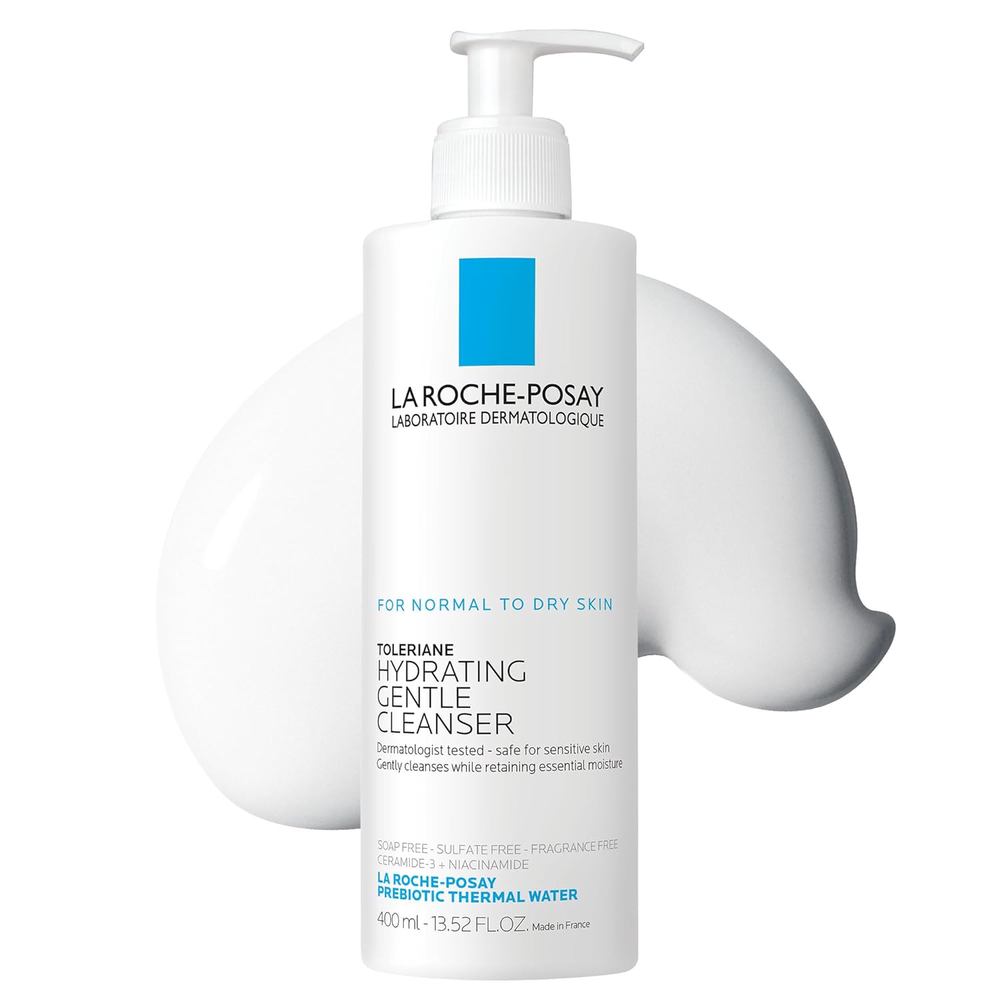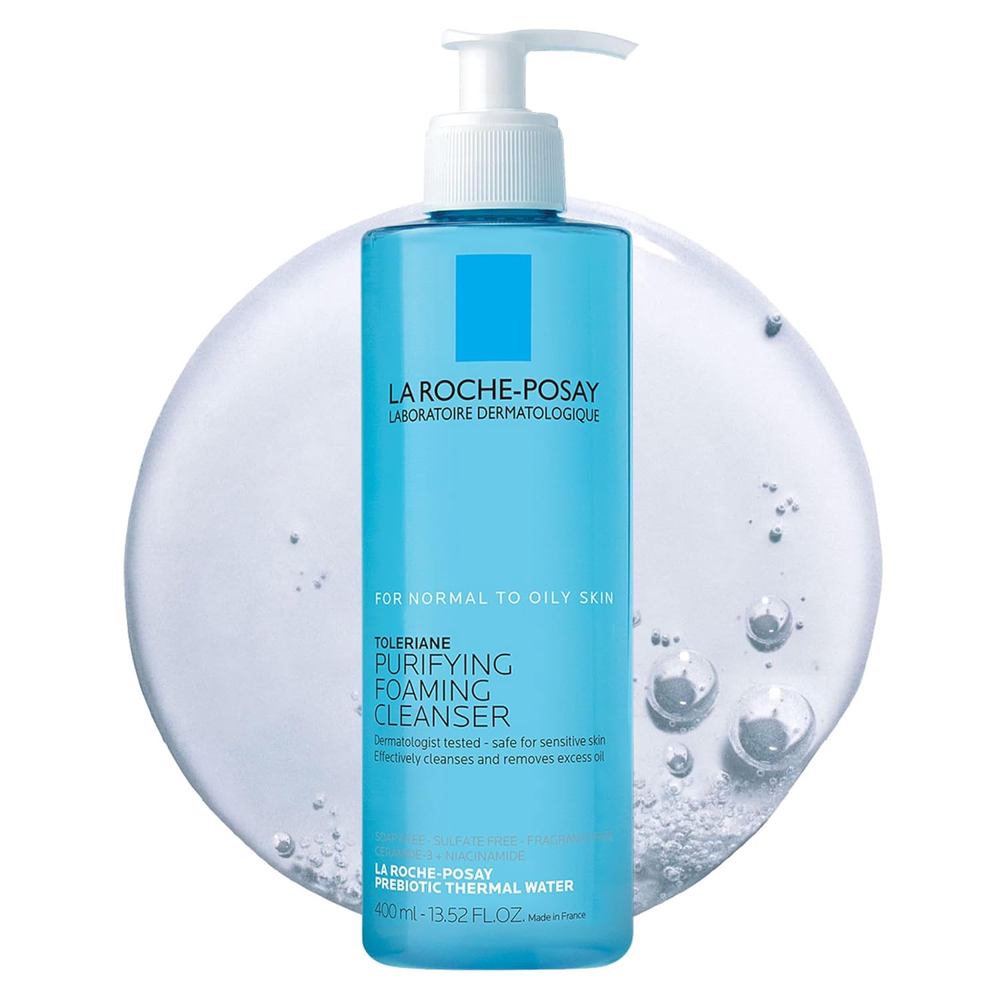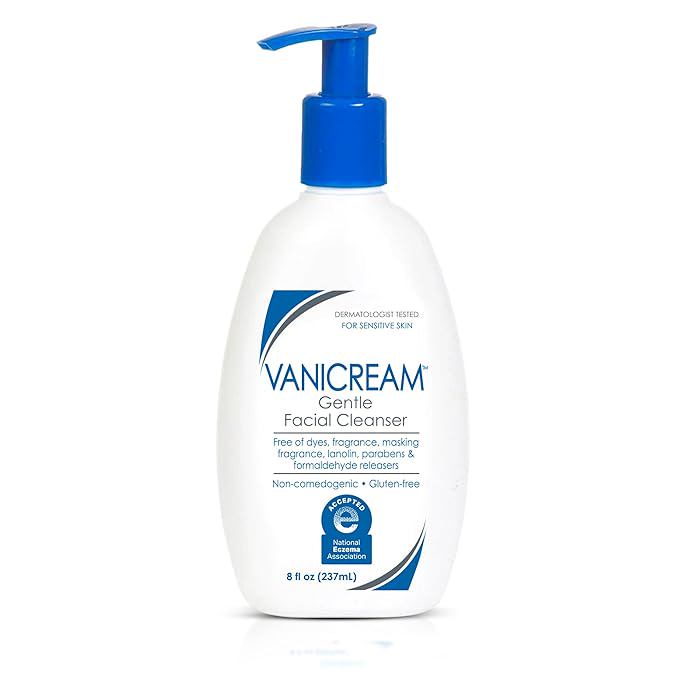

If you start your day by blotting shine or feeling your skin turn slick by mid-morning, your routine itself might be part of the problem. Oily skin is often a balancing act, and certain well-intentioned morning habits can accidentally signal your sebaceous glands to produce more oil, not less.
Understanding these common missteps can help you adjust your approach, working with your skin’s natural rhythm rather than triggering a defensive overproduction of sebum.
Mistake 1: Over-cleansing or using harsh, stripping products
It feels logical: oily skin needs a deep, squeaky-clean start. However, aggressively stripping your skin of all its natural oils can backfire spectacularly. Your skin’s lipid barrier is its protective shield. When you use cleansers with harsh sulfates, high concentrations of alcohol, or scrubs that feel abrasive, you compromise this barrier.
When the skin barrier is damaged, it loses moisture more easily and can become inflamed.
In response, your skin may go into overdrive to compensate, pumping out even more sebum to try and re-lubricate and protect the surface. This creates a cycle of stripping and overproduction, leaving you with skin that feels both tight and oily.
Instead, look for a gentle, water-soluble cleanser. Formulas described as “balancing,” “low-pH,” or containing mild surfactants can effectively remove overnight residue and excess oil without leaving your skin feeling parched or squeaky.
Mistake 2: Skipping moisturizer because your skin feels oily
This is perhaps the most pervasive myth in oily skin care. The thought is, “Why add moisture when I already have too much oil?” But hydration and oil are two different things. Sebum is oil produced by sebaceous glands. Hydration is the water content within your skin cells.
When you skip moisturizer, especially after cleansing, you leave your skin vulnerable to dehydration. As with over-cleansing, dehydrated skin can stimulate more oil production as a corrective measure. A lightweight, non-comedogenic moisturizer helps maintain the barrier’s integrity, signals to your skin that it’s sufficiently hydrated, and can actually help regulate oil flow throughout the day.
Opt for gel-cream or fluid formulations with ingredients like hyaluronic acid, which draws water into the skin without a heavy feel, or niacinamide, which can help calm inflammation and normalize sebum production.
Mistake 3: Relying too heavily on astringents and drying treatments
Dabbing on a strong astringent toner or a spot treatment full of drying agents might feel like you’re “attacking” the oil. While targeted use of ingredients like salicylic acid or witch hazel can be beneficial for clearing pores, applying them all over your face each morning can be counterproductive.
These products are designed to dissolve oil and exfoliate. Used too frequently or in high concentrations, they can irritate and dehydrate the skin’s surface. This irritation, again, can lead to barrier disruption and a compensatory oil surge. Furthermore, constant drying can sometimes lead to a patchy texture where some areas are dry and flaky while others are oily.
Incorporate exfoliating acids like salicylic acid (BHA) or glycolic acid (AHA) thoughtfully—perhaps only a few mornings a week or in a wash-off cleanser format—and always follow with a moisturizer and sunscreen.
Building a balanced morning routine for oily skin
The goal isn’t to eradicate oil but to manage it intelligently. A simple, consistent routine built on gentle support is more effective than a harsh, reactive one.
- Cleanse gently: Use a mild, pH-balanced cleanser with lukewarm water.
- Tone thoughtfully (optional): If you use a toner, choose one with hydrating or balancing ingredients like rose water, centella asiatica, or a low percentage of niacinamide. Avoid those with high alcohol content.
- Moisturize, always: Apply a light, oil-free moisturizer to damp skin to lock in hydration.
- Protect, non-negotially: Finish with a broad-spectrum sunscreen. Many modern sunscreens come in matte, gel, or fluid finishes that won’t feel heavy or greasy.
By avoiding these three common mistakes, you shift from fighting your skin to guiding it. Consistency with a gentle, hydrating approach is often the key to seeing a noticeable reduction in excess shine and a healthier, more balanced complexion.