The breakfast you choose each morning might do more than kick-start your metabolism—it could also influence how your skin ages. Emerging research suggests that certain food swaps at breakfast may help reduce the appearance of fine lines over time. Here are three evidence-informed switches to consider if skin health is on your mind.
Swap sugary cereal for oatmeal with berries
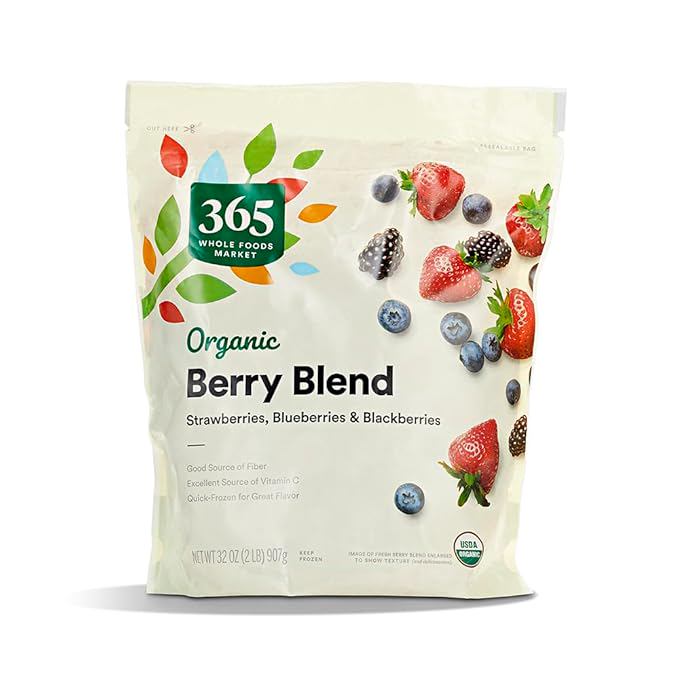
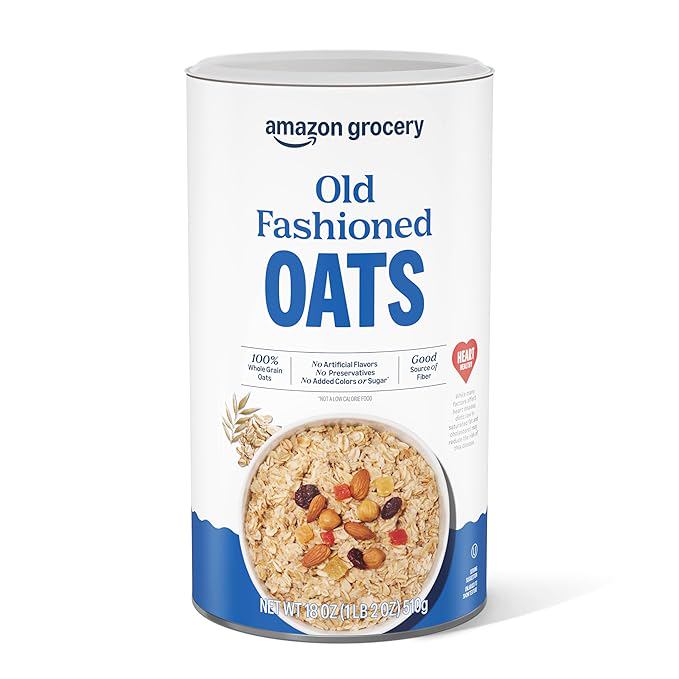
A bowl of sugary cereal sends blood sugar levels on a rapid rise and fall. This process, known as glycation, occurs when excess sugar molecules bind to collagen and elastin fibers in the skin. Over time, glycation stiffens these supportive proteins, contributing to fine lines and a loss of firmness. By contrast, a bowl of old-fashioned oatmeal topped with fresh or frozen berries provides slow-release carbohydrates and a concentrated dose of antioxidants. Berries are rich in vitamin C and polyphenols, which may help defend skin cells against oxidative stress—one of the key drivers of visible aging. Research published in the American Journal of Clinical Nutrition found that higher vitamin C intake was associated with a lower likelihood of a wrinkled appearance in middle-aged women.
Replace white toast with avocado on whole-grain toast
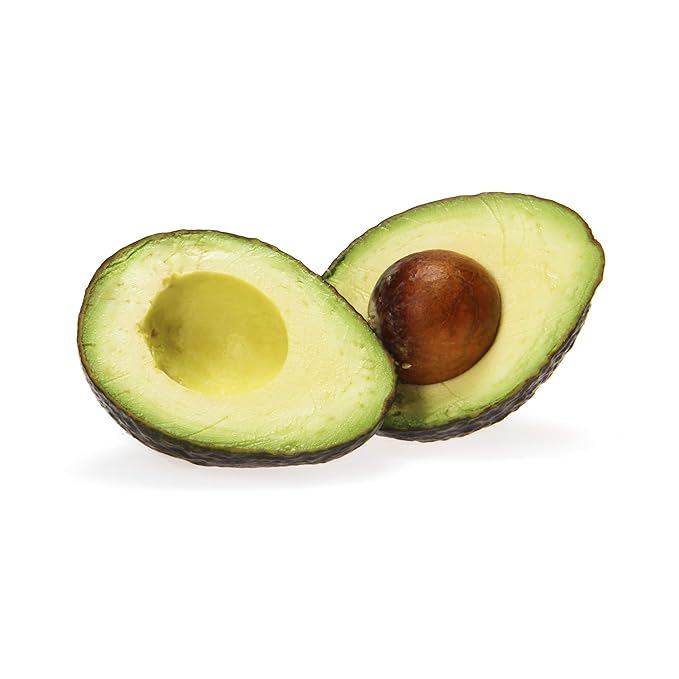
White bread is another high-glycemic food that can trigger the same collagen-damaging cascade as sugary cereals. Swapping it for whole-grain toast topped with avocado introduces a trio of skin-supportive nutrients: fiber to stabilize blood sugar, healthy monounsaturated fats to support skin barrier function, and vitamin E to help neutralize free radicals. One small study in Nutrients observed that adult women who consumed a diet higher in monounsaturated fats had fewer signs of skin aging, including reduced wrinkle visibility. Avocados also contain lutein and zeaxanthin—carotenoids that accumulate in skin tissue and may offer photo-protective benefits.
Trade processed breakfast meat for smoked salmon or sardines
Bacon and sausage are high in advanced glycation end-products (AGEs), compounds formed when proteins or fats combine with sugars during high-heat cooking. AGEs accumulate in skin tissue and have been linked to increased inflammation and collagen degradation. Replacing processed meat with smoked salmon or sardines provides a concentrated source of omega-3 fatty acids, which are known to help calm inflammation and maintain the lipid barrier of skin cell membranes. A review in Marine Drugs noted that omega-3 supplementation was associated with improved skin elasticity and reduced roughness. The small bones in sardines also supply calcium and vitamin D, supporting overall skin cell turnover.
Why consistency matters more than any single meal
No one breakfast swap can erase years of sun exposure or genetic predisposition. However, when these swaps become regular habits—pairing a lower-glycemic carbohydrate with healthy fats and a lean, anti-inflammatory protein—they can gradually support the structural integrity of skin. Think of each meal as a small deposit in your skin health account. Over months and years, those deposits accumulate.
Putting it together: a sample skin-friendly breakfast
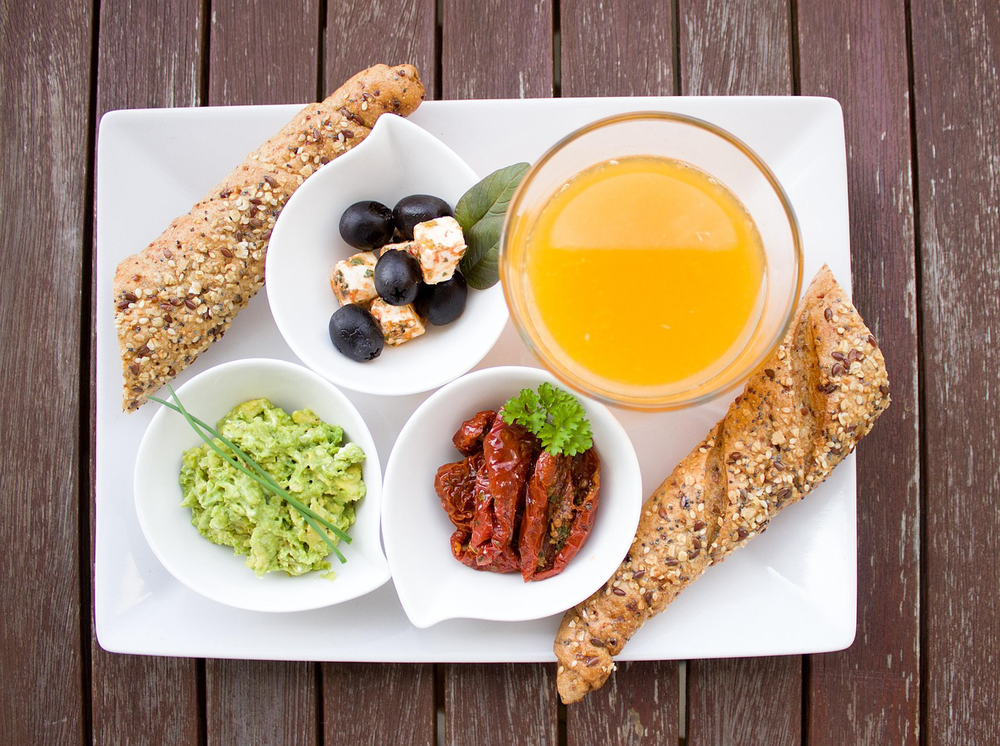
If you're looking for a practical starting point, combine the three swaps into one meal:
- Oatmeal (rolled or steel-cut) topped with a handful of blueberries or raspberries
- A slice of whole-grain toast spread with a quarter of an avocado
- A side of two to three ounces of smoked salmon or a small tin of sardines packed in water or olive oil
Hydrate with water or unsweetened green tea—green tea's catechins have been shown in human trials to improve skin elasticity and reduce roughness when consumed daily.
A quick note: Always introduce new foods gradually if you have known allergies or sensitivities. For personalized dietary advice that takes your full health picture into account, consult a registered dietitian or healthcare provider.