
Managing combination skin often feels like a delicate balancing act. You’re navigating an oily T-zone while trying to hydrate drier cheeks, and your skincare routine gets most of the attention. But what you pour into your glass can be just as influential. Certain beverages interact with your body’s systems in ways that may either help harmonize your skin’s needs or tip the scales toward more pronounced imbalance.
Understanding this connection isn’t about finding a magic potion. It’s about recognizing how everyday drinks affect inflammation, hydration, and oil production—the core factors behind combination skin’s dual nature. By making mindful choices, you can support your skin from the inside, creating a better foundation for whatever you apply on the outside.
How Do Drinks Actually Affect Your Skin?
Before we get to specific beverages, it helps to know the mechanisms at play. What you drink doesn’t land directly on your face, of course. Instead, it influences your skin through digestion, absorption, and your body’s internal responses.
Key pathways include:
- Hydration Status: Your skin is your body’s largest organ, and it relies on adequate fluid intake to maintain its barrier function and plumpness. Dehydrated skin can overcompensate by producing more oil in some areas while feeling tight and flaky in others.
- Inflammatory Response: Many common ingredients, like added sugars, can trigger systemic inflammation. For combination skin, this may manifest as increased redness, sensitivity in drier zones, or more frequent breakouts in oilier areas.
- Hormonal Fluctuations: Some beverages contain compounds that can subtly influence hormones like insulin and cortisol, which in turn affect sebum (oil) production.
- Gut-Skin Axis: Emerging research suggests the health of your gut microbiome is reflected in your skin. Drinks that support or disrupt gut balance may thereby influence skin clarity and calmness.
With these pathways in mind, let’s look at three beverage categories that may play a notable role.
Beverages That May Improve Combination Skin
These drinks offer components that can support balance, primarily through anti-inflammatory and hydrating effects.
1. Green Tea
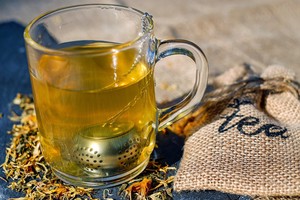
Green tea is rich in polyphenols, particularly epigallocatechin gallate (EGCG), a compound with well-studied antioxidant and anti-inflammatory properties. For combination skin, this can mean a two-pronged benefit: calming potential irritation in drier patches and helping to regulate excess oil production.
Think of green tea as a gentle, internal soother. Its antioxidants help quiet the inflammatory signals that can exacerbate both dryness and oiliness.
Regular, moderate consumption—think one to two cups daily—provides these compounds without excessive caffeine, which in large amounts could have a dehydrating effect. Opt for freshly brewed tea over bottled, sugary versions to avoid counterproductive additives.
2. Spearmint Tea
This herbal tea has garnered attention in the skincare world for its potential anti-androgenic effects. Androgens are hormones that can stimulate sebum production. By possibly helping to moderate these hormones, spearmint tea may specifically target the oily component of combination skin, particularly along the chin and jawline.
It’s important to approach this with realistic expectations. It’s not a cure, but for some, it can be a supportive part of a holistic routine. A cup in the evening is a common way to incorporate it. As with any herbal remedy, consistency over time is key, and it’s wise to consult with a healthcare provider if you have any hormonal conditions or are on medication.
3. Plain or Infused Water
This might seem obvious, but its importance can’t be overstated. Chronic, low-level dehydration forces your skin into a defensive mode. Your oil glands may work overtime to lubricate a parched surface, worsening the shine in your T-zone, while the lack of moisture deepens dryness elsewhere.
Pure water is the gold standard. If you struggle to drink enough, infusing it with slices of cucumber, citrus, or a few berries can make it more appealing without adding sugar or artificial ingredients. The goal is consistent, adequate hydration throughout the day to support your skin’s natural equilibrium.
Beverages That May Worsen Combination Skin
These are drinks often associated with triggering inflammation, blood sugar spikes, or dehydration, all of which can disrupt skin balance.
1. Sugary Coffee Drinks & Sodas
The issue here is twofold: high sugar content and, often, dairy. A large dose of sugar causes a rapid spike in blood glucose and insulin. This process can increase inflammation and may stimulate oil gland activity. For combination skin, this might mean more frequent breakouts in your oily zones.
Many fancy coffee drinks also contain dairy, which some individuals find can be comedogenic or inflammatory for their skin. The combination of sugar and dairy in a single beverage can be a potent trigger. This doesn’t mean you must give up coffee. The shift is in how you take it: opting for black coffee, or using a modest splash of a non-dairy milk and skipping the flavored syrups, can make a significant difference.
2. Alcohol, Especially in Excess
Alcohol is a diuretic, meaning it promotes fluid loss, which can lead to dehydration. Dehydrated skin, as we’ve discussed, often responds with increased oil production. Furthermore, alcohol can dilate blood vessels, potentially worsening redness and visible capillaries, often a concern on the drier, more sensitive areas of the face.
This doesn’t require abstinence, but rather mindfulness. Alternating an alcoholic drink with a full glass of water, staying within moderate limits, and paying attention to how your skin reacts the next day are smart strategies. Sugary cocktails and mixers add another layer of potential disruption.
3. High-Sugar Fruit Juices & Smoothies
It’s easy to perceive fruit juice as a health drink, but commercially prepared versions (and even many homemade smoothies) can contain a startling amount of concentrated sugar without the balancing fiber of whole fruit. This sugar load has the same inflammatory, insulin-spiking potential as soda.
If you enjoy juice, consider it a occasional treat rather than a daily staple. When making a smoothie, focus on vegetables like spinach or kale as the base, add a modest portion of whole fruit for sweetness, and include a source of healthy fat or protein (like nut butter or chia seeds) to slow the absorption of sugars.
Building a Skin-Supportive Drinking Routine
You don’t need to overhaul your life overnight. Lasting change comes from small, sustainable shifts. Start by observing your current habits for a few days. Notice what you reach for when you’re thirsty, stressed, or socializing.
Then, consider one positive swap. This could be:
- Replacing your afternoon soda with sparkling water and a twist of lime.
- Committing to one cup of green tea each morning.
- Adding a large glass of water to your daily routine, perhaps first thing after waking.
Listen to your skin. It often provides feedback within days or weeks of a consistent change. Remember, beverages are one piece of a much larger puzzle that includes genetics, skincare, stress, diet, and sleep. Think of your drink choices as a form of foundational support—a way to create a calmer, more hydrated internal environment where your combination skin has a better chance of finding its balance.