Slow cookers are a busy parent's best friend, turning a pile of ingredients into a tender dinner by the end of the day. But when it comes to cooking chicken for children, the 'set it and forget it' method comes with a few safety catches that aren't always obvious. Even if the meat looks cooked through, two specific warning signs can signal that your slow cooker chicken has been in the danger zone — and might not be safe for young kids, whose immune systems are still developing.
Understanding these signs isn't about overcooking your dinner; it's about knowing what temperature actually kills harmful bacteria and why the 'low' and 'warm' settings on your appliance don't always perform the same way. Here's what every parent needs to watch for.
Why Kids Are More at Risk
Children under five have a higher risk of foodborne illness because their immune systems aren't fully mature. They also produce less stomach acid, which means bacteria like Salmonella and Campylobacter — common culprits in undercooked poultry — are more likely to survive and cause infection. A case of food poisoning that might cause mild discomfort in an adult can lead to dehydration or hospitalization in a toddler. That's why the margin for error is much thinner when you're cooking for little ones.
Warning Sign #1: The Internal Temperature Never Reached 165°F
The single most reliable indicator that chicken is safe to eat is internal temperature, not color or texture. The U.S. Department of Agriculture (USDA) recommends cooking all poultry to an internal temperature of 165°F (74°C) to kill pathogens like Salmonella and Campylobacter.
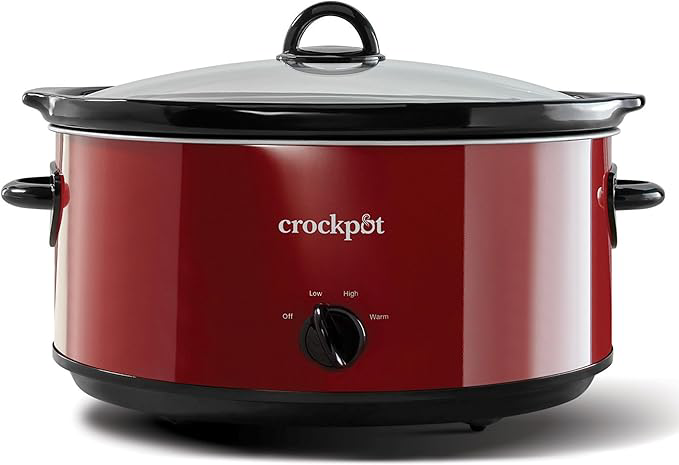
A slow cooker on low heat typically reaches a simmer of around 200°F after several hours, but this isn't guaranteed. Factors like the density of the chicken pieces, how full the pot is, and how often the lid is lifted can slow things down. If the chicken in your crock has been cooking for four hours but the temperature in the thickest part of the breast or thigh reads below 165°F, that's a clear red flag. Visible juices running clear or the meat shredding easily are not reliable substitutes for a thermometer reading.
Warning Sign #2: The Chicken Stayed Too Long in the 'Danger Zone'
Bacteria multiply fastest between 40°F and 140°F — what food safety experts call the 'danger zone.' For chicken to be safe, it should spend as little time in this temperature range as possible. With a slow cooker, the problem often occurs at the very beginning and the very end of cooking.
If you place frozen or very cold chicken directly into a slow cooker set to low, it can take hours for the meat to climb past 140°F. During that time, bacteria on the surface of the meat can multiply to dangerous levels. Similarly, when the cooking cycle ends and the slow cooker automatically switches to a 'warm' setting, some models don't maintain a high enough temperature (above 140°F) to keep bacteria from growing. If your chicken sat on 'warm' for more than two hours before you served it — or if it cooked on low and still felt lukewarm in the center after four hours — it may have been in the danger zone too long for a child to eat safely.
The Problem with 'Low and Slow' for Young Kids
Most slow cooker recipes for chicken are designed for large, bone-in cuts that can withstand long cooking times. But when you're cooking smaller pieces like breasts or thighs for a child's meal, they can cook unevenly — the exterior might reach a safe temperature while the interior lags behind. If you're cutting the cook time in half by using small pieces, be sure to check the temperature at the center of the thickest piece.
How to Make Slow Cooker Chicken Safe for Kids
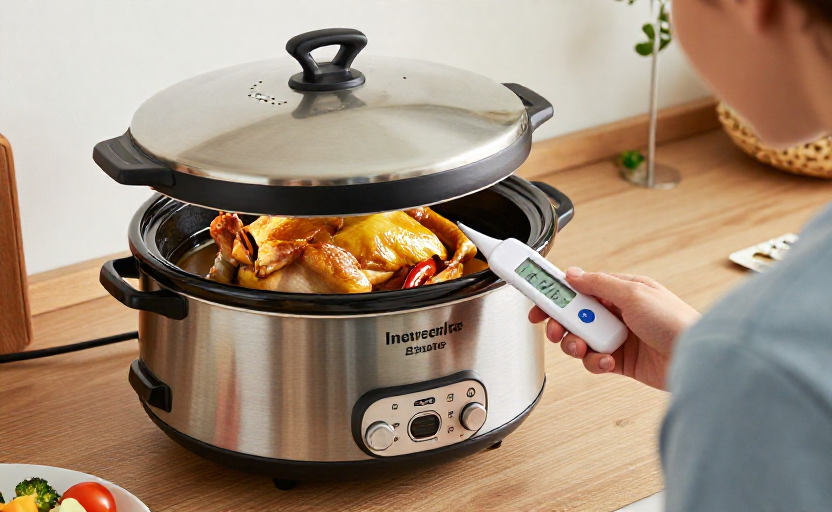
- Use a meat thermometer every time. Insert it into the thickest part of the largest piece. Look for 165°F across all pieces, not just one.
- Thaw chicken completely before adding it to the pot. Starting with frozen or partially frozen chicken extends the time it spends in the danger zone.
- Cook on high for the first hour. This helps the meat climb past 140°F faster. Then you can switch to low if the recipe requires longer simmering.
- Keep the lid on. Each time you lift the lid, heat escapes and can add 15-20 minutes to the cooking time.
- Serve within two hours of cooking. Don't let the 'warm' setting run for hours before serving. If you're meal-prepping, cool the chicken quickly and refrigerate it.
What About the Texture and Color?
Many parents assume that if the chicken is shredding easily or has turned white all the way through, it's safe. That's not always true. Slow-cooked meat can look opaque and feel tender even when it hasn't reached 165°F internally. Color changes occur at lower temperatures, and shredding can happen when collagen breaks down, but neither of these guarantees that harmful bacteria are dead. The only reliable method is a thermometer check.
When in Doubt, Throw It Out
If you've noticed either of these signs — a failed temperature reading or too much time in the danger zone — don't take the risk with kids. It's not about wasting food; it's about protecting a child's developing gut and immune system. A quick batch of scrambled eggs or a simple pasta dish makes a much safer backup plan than crossing your fingers with questionable chicken.