Redness that sticks around long after a pimple fades or a new product sample could be telling you something deeper. Many of us reach for another soothing mask or blame the weather, but the real culprit is often hiding in plain sight: a compromised skin barrier. When the outermost layer of your skin is damaged, it loses its ability to hold in moisture and keep irritants out. The result is redness that doesn't quit, and often two very specific warning signs that your barrier needs help—not more active ingredients.
Let's walk through what these signs look like and, more importantly, what you can do to bring your skin back to balance.
Warning sign #1: persistent tightness or stinging after cleansing
After washing your face, your skin should feel clean but comfortable—not tight, not prickly. If you consistently feel a pulling sensation or a mild sting after using even a gentle cleanser, that is a red flag. This happens because a compromised barrier has lost the lipids that normally keep moisture sealed in. Without those protective fats, water evaporates too quickly, leaving the skin dehydrated and reactive.
You might notice that your usual moisturizer no longer feels soothing. Instead, it seems to sit on top of the skin without relieving that taut feeling. Over time, this persistent tightness often escalates into visible redness, especially around the nose, cheeks, and chin.
What to look for
- A feeling of “pulling” right after patting your face dry.
- Mild to moderate stinging when you apply toner or serum.
- Redness that is diffuse—not patchy like a rash—but spread across the cheeks and nose.
The key here is consistency. If these sensations happen once after a harsh scrub, it might just be temporary. But if they appear nearly every time you wash, your barrier is likely impaired.
Warning sign #2: redness that flares after any product change
Healthy skin can adapt. Compromised skin overreacts. If you notice that switching to any new moisturizer, sunscreen, or even a different brand of micellar water causes a flush that lasts for hours, your barrier is struggling to filter out potential irritants.
This kind of reactive redness is different from an allergic reaction. It tends to be less itchy and more of a warm, diffuse blush that appears within minutes of application and fades slowly. The reason? Gaps in the barrier allow ingredients that would normally be harmless to penetrate too deeply, triggering inflammation.
A simple rule: if your skin turns red every time you trial a new product—even a gentle one—pause the actives and focus on repair.
How to distinguish barrier-related redness from other causes
- Rosacea often includes visible blood vessels and persistent central redness; barrier issues cause more generalized flushing.
- Allergic contact dermatitis tends to be itchy and may involve bumps or blisters; barrier-related redness is usually just warmth and redness.
- Acne-related redness is localized around pimples; barrier redness spreads across larger areas.
Why this matters: the role of lipids and pH
Your skin barrier is made of corneocytes (dead skin cells) held together by lipids—ceramides, cholesterol, and fatty acids. Think of it like a brick wall: the cells are bricks, and the lipids are the mortar. When the mortar weakens from over-exfoliation, harsh cleansers, or environmental stress, the wall becomes porous. Water escapes, irritants enter, and redness follows.
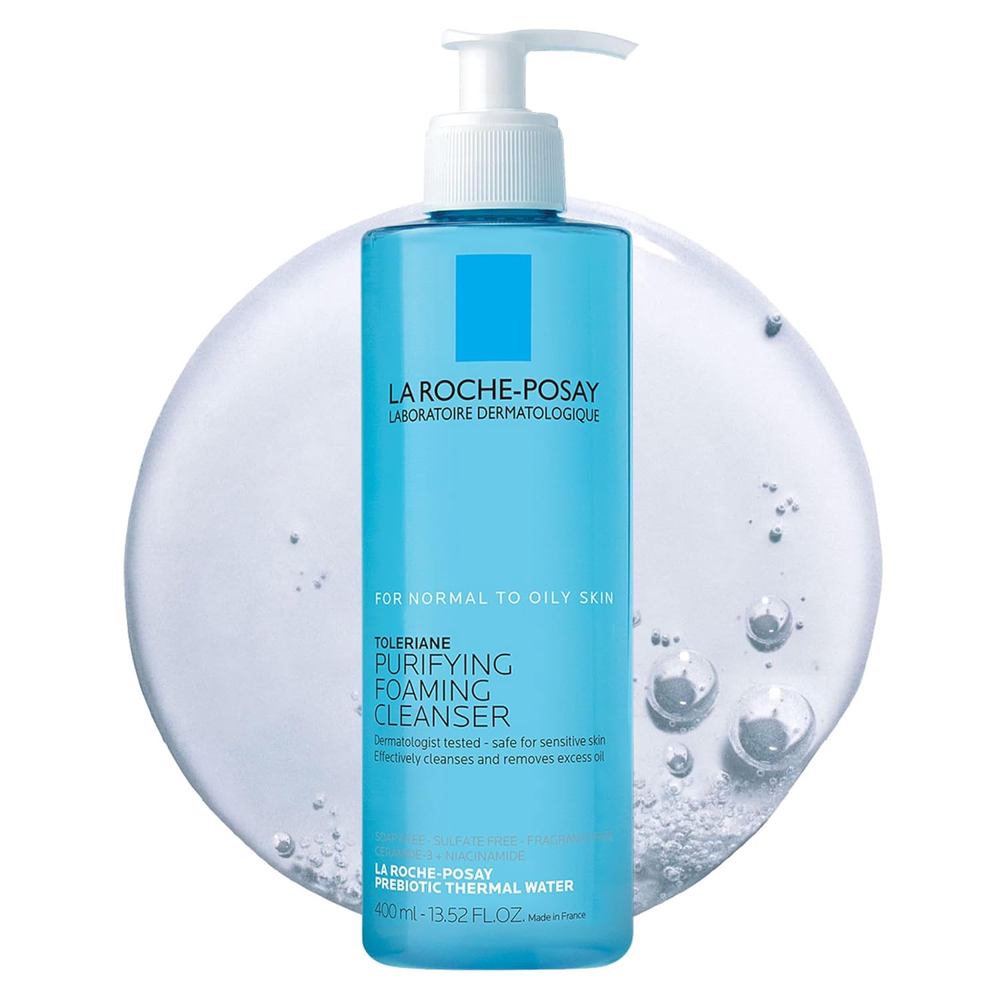
pH also plays a part. A healthy barrier sits at a slightly acidic pH of around 4.7 to 5.5. Many foaming cleansers and toners have a higher pH, which can strip natural oils and disrupt this delicate balance, worsening redness over time.
Practical steps to repair a compromised barrier
Repairing the barrier is about subtraction, not addition. Here is what dermatologists and skin health experts consistently recommend:
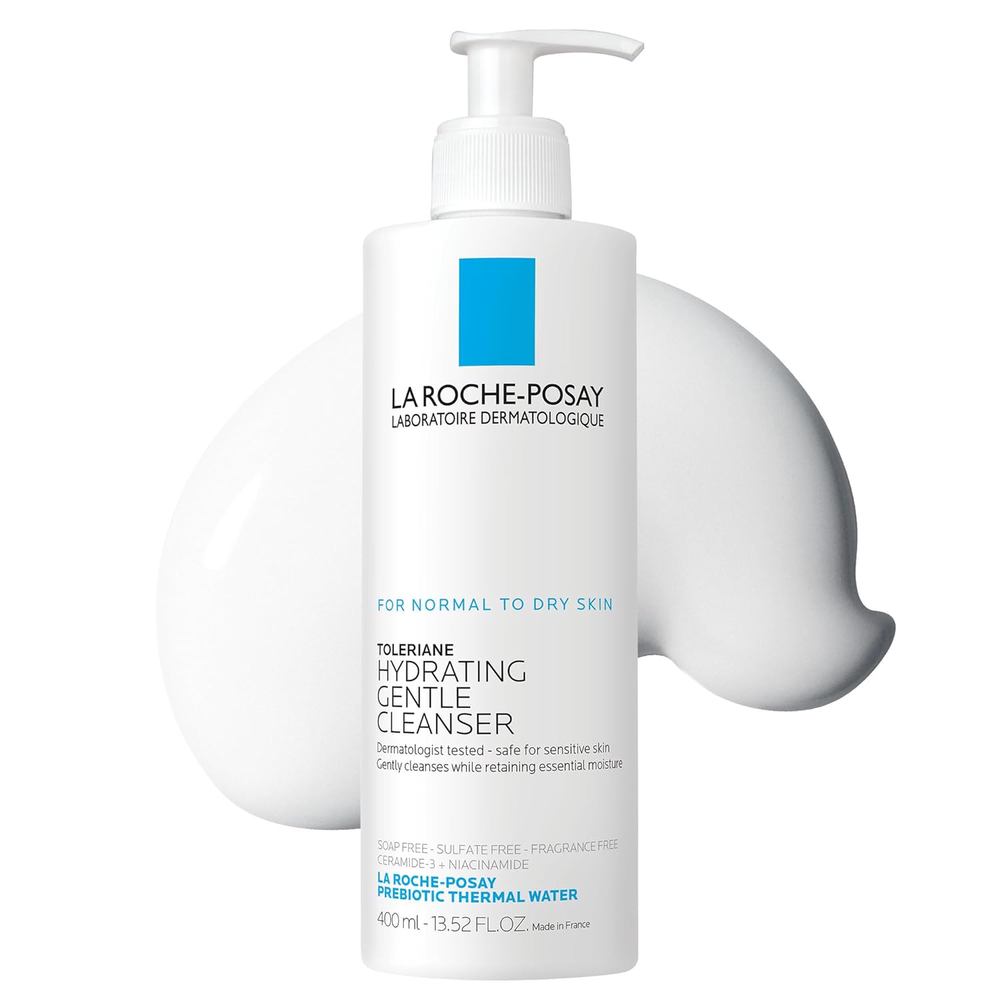
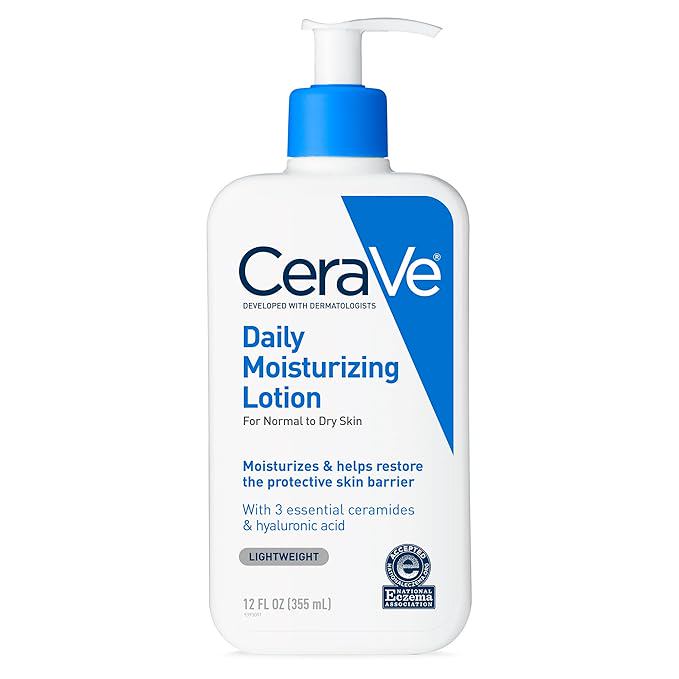
- Simplify your routine. Stop all exfoliants (AHAs, BHAs, retinol, physical scrubs) for at least two weeks. Use only a gentle non-foaming cleanser, a moisturizer with ceramides or niacinamide, and a mineral sunscreen.
- Choose barrier-supporting ingredients. Look for ceramides, cholesterol, fatty acids, squalane, and panthenol. These mimic the natural lipids your skin is missing.
- Protect against UV. Sun exposure accelerates barrier damage. A mineral-based SPF 30+ with zinc oxide or titanium dioxide is less likely to cause stinging than chemical filters.
- Hydrate from within. Drink enough water, but don't over-hydrate topically—more layers of toner are not always better for a compromised barrier.
- Patch test everything. Before applying any new product to your whole face, test a small amount behind your ear or on your jawline for 24 hours.
When to see a professional
If redness persists after two weeks of barrier-friendly care—or if you develop swelling, oozing, or sharp pain—please consult a dermatologist. Persistent redness can sometimes signal underlying conditions like perioral dermatitis, seborrheic dermatitis, or rosacea that need a doctor's assessment.
Recognizing these two warning signs early can save you months of frustration and expensive products. A calm, happy skin barrier is not about using more products; it is about giving your skin exactly what it needs to protect itself—and nothing more. If tightness after cleansing and reactive redness resonate with you, take a step back. Let your skin breathe, and it will thank you with a healthier, less red complexion.