
Most of us assume that wrinkles, sagging, and dullness are simply written in our DNA—something we inherit from our parents, like eye color or height. But the truth is more complicated, and more encouraging: what you eat can visibly age your skin, and two specific warning signs can tell you whether your diet is the culprit rather than your genes.
If you're addressing fine lines or loss of elasticity with expensive creams and seeing little change, your dinner plate might be the missing piece. Here’s what to look for and how to take control.
Warning sign #1: localized fine lines around the mouth and eyes
Genetically programmed aging tends to affect the whole face uniformly—thinning skin, overall laxity, and a general loss of volume. Diet-driven aging, by contrast, often shows up in specific areas first. The most common telltale zone is the area around the mouth and eyes.
When your diet is consistently high in sugar and refined carbohydrates, a process called glycation accelerates. Sugar molecules bind to collagen and elastin fibers, making them stiff and brittle. The result is premature, concentrated wrinkling—especially around the mouth (sometimes called "smoker's lines" even in nonsmokers) and the delicate eye area. These are the same fibers that keep skin plump and springy; when they become cross-linked and damaged by glycation, the skin loses its ability to bounce back.
If you notice these particular lines before significant overall sagging, your eating habits may be the primary driver—not your family history.
Warning sign #2: sudden dullness and uneven texture without other signs of aging
A second red flag is a complexion that appears flat, rough, or uneven in tone but lacks deep wrinkling. Genetic aging usually includes a predictable sequence: fine lines first, then loss of firmness, then pigment changes. When the primary problem is a lack of radiance and a rough surface texture—without advanced wrinkling—nutrition is often to blame.
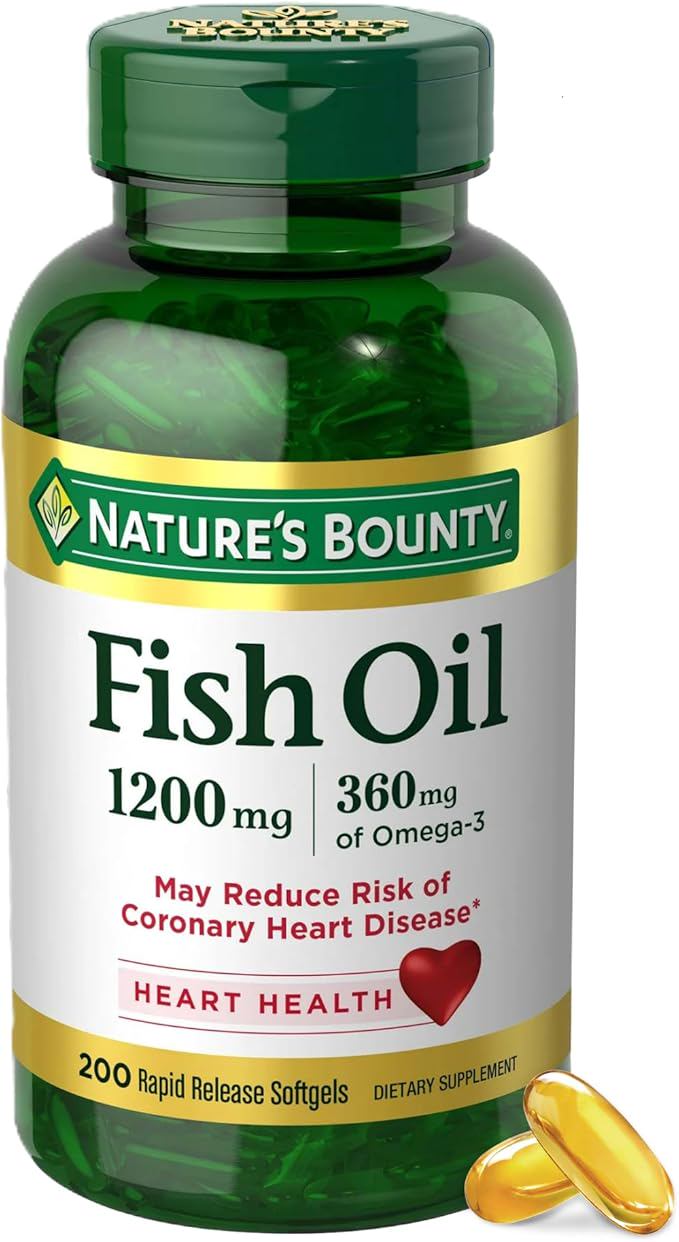
Dehydration from inadequate water intake or an overreliance on diuretics like caffeine and alcohol can leave skin cells shrunken and less reflective. A diet low in antioxidants—vitamins C and E, carotenoids, polyphenols—leaves the skin less able to defend against environmental damage that creates dullness and unevenness. And a deficiency in healthy fats, especially omega-3s, starves the skin of the building blocks for a resilient, glowing barrier.
If you feel like your skin looks tired and lackluster despite a good skincare routine, ask yourself honestly: have I been eating the rainbow? Am I getting enough water and essential fats?
What to do about diet-related skin aging
The good news is that diet-driven aging is largely reversible, while genetically driven aging is not. Here’s where to focus your efforts.
Reduce sugar and refined carbs
Cut back on added sugars, white bread, pastries, and sweetened drinks. Glycation is dose-dependent; less sugar in your bloodstream means fewer cross-linked collagen fibers. Aim to satisfy your sweet tooth with whole fruits, which provide fiber and antioxidants along with their natural sugars.
Prioritize antioxidant-rich foods
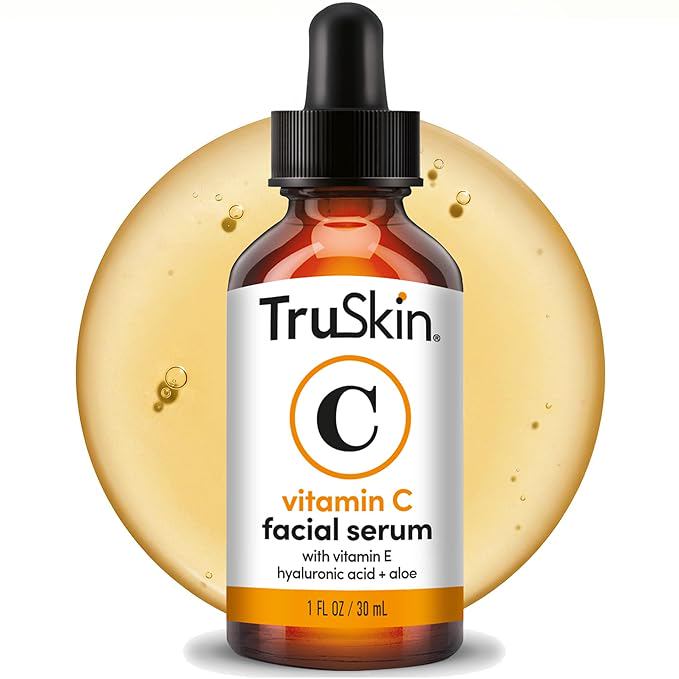
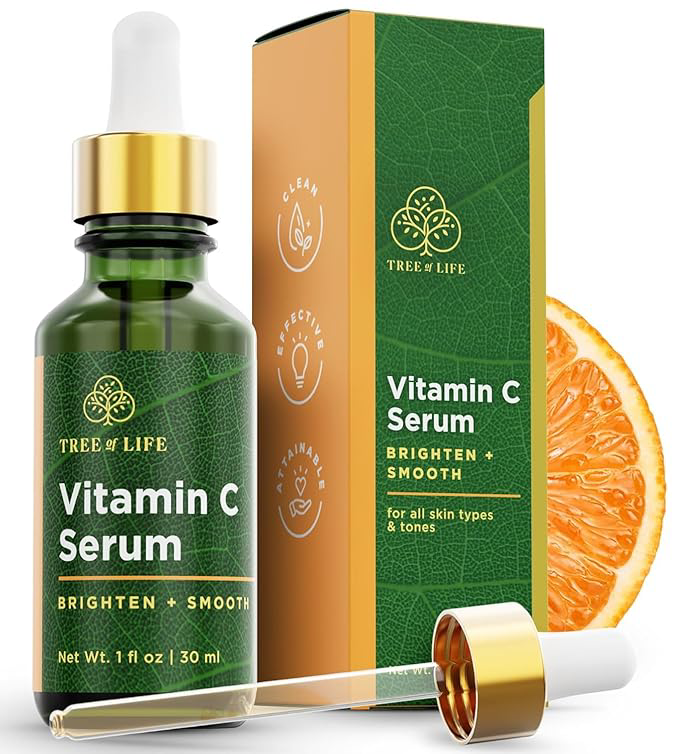
Eat a wide variety of colorful produce: berries, dark leafy greens, bell peppers, sweet potatoes, tomatoes, and citrus. These provide vitamin C, vitamin E, and a host of polyphenols that protect your skin’s structural proteins and encourage cell turnover.
Hydrate internally and externally
Drink enough water throughout the day—most people need between 8 and 12 cups of total water from all sources. Pair that with a moisturizer containing humectants like hyaluronic acid or glycerin to hold water in the outer skin layers.
Incorporate healthy fats
Omega-3 fatty acids found in fatty fish (salmon, mackerel, sardines), walnuts, flaxseeds, and chia seeds support the skin’s lipid barrier and help calm inflammation. A compromised barrier leads to water loss and a rough appearance, so these fats are crucial for a smooth, luminous surface.
Consider collagen-supporting nutrients
Vitamin C is required for collagen synthesis, and you need enough protein (especially amino acids like glycine and proline) to give your body the raw materials to repair skin. Bone broth, chicken skin, and fish skin provide these amino acids, as do gelatin and collagen peptides if you choose to supplement.
When diet isn't the only answer
If you have drastically reduced sugar, increased your intake of vegetables and healthy fats, and stayed well hydrated for a few months, but still see accelerating wrinkles or thinning skin, it may be time to consider genetic causes. Hormonal changes—especially during menopause—can override even an excellent diet. A dermatologist can help you distinguish between intrinsic aging (genetic) and extrinsic aging (diet, sun exposure, smoking, pollution).
For most people, however, diet is a powerful lever. Small, consistent changes in what you eat can restore much of your skin's vitality and resilience—often long before any topical product can show results.
A note on expectations: Skin improvement from dietary changes takes time. The skin cell cycle is roughly 40 days, so allow at least three months of consistent healthy eating before expecting visible changes in texture and tone. Be patient and persistent—your skin will thank you.