You’ve made the choice to build a healthier lunch around a crisp, colorful salad. It’s a smart move—in theory. A well-constructed salad can be a powerhouse of nutrients, fiber, and lean protein that keeps you satisfied for hours. But sometimes, an hour after you’ve finished that big bowl, you’re left feeling surprisingly hungry, a bit sluggish, and maybe even a little frustrated. What happened?
The gap between a salad that truly fuels you and one that merely fills a bowl often comes down to two critical, yet easily overlooked, elements. If your lunch consistently leaves you searching for a snack soon after, these are the warning signs to look for.
Warning Sign 1: It’s Mostly Just Leaves
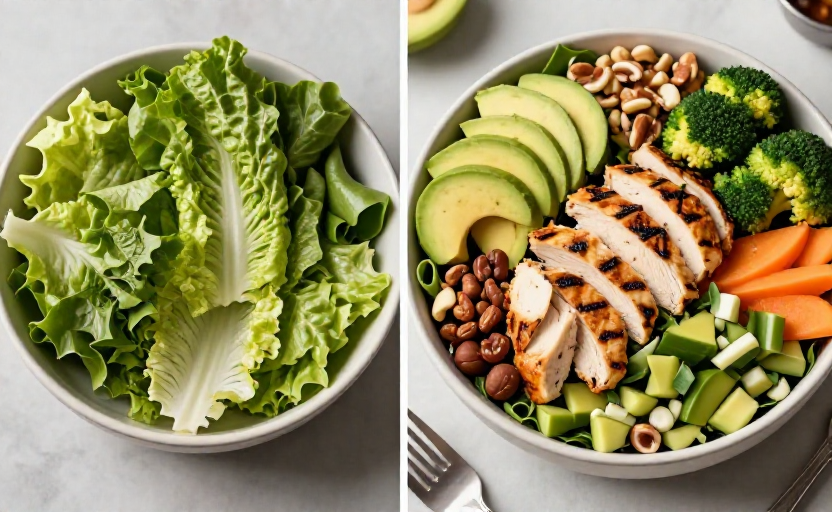
There’s a common misconception that a low-carb lunch simply means avoiding bread and pasta. So, we pile a mountain of lettuce, spinach, or arugula into a bowl and call it a day. While these leafy greens are incredibly nutrient-dense and low in calories, they are also very low in energy density. They provide volume and crunch, but not a lot of lasting fuel.
Think of your salad like a house. The leafy greens are the beautiful landscaping and the frame—essential, but not sufficient on their own. Without the right interior structure, it’s not a functional home. Your body digests these simple, water-rich greens very quickly. You get a brief sense of fullness that dissipates as soon as your stomach empties, which can happen rapidly.
A salad built only on leaves is like a house with no walls—it won’t shelter you from hunger for long.
The fix isn’t to skip the greens, but to build upon them. You need to add the structural components that slow digestion, stabilize blood sugar, and provide sustained energy.
What Your Salad Is Missing: The Satiety Trio
To transform a simple bowl of greens into a filling meal, aim to include these three categories in every salad:
- Quality Protein: This is the most crucial element for satiety. Protein takes more work for your body to break down, keeping you full longer and helping to maintain muscle mass. Think grilled chicken or turkey, canned tuna or salmon, a couple of hard-boiled eggs, tofu, tempeh, or a hearty scoop of legumes like chickpeas or lentils.
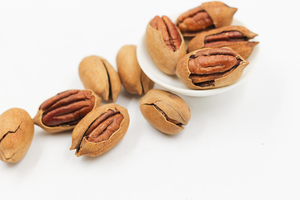
- Healthy Fats: Fats are not the enemy; they’re essential for absorbing fat-soluble vitamins (like A, D, E, and K from your veggies) and for signaling fullness to your brain. Add half an avocado, a small handful of nuts or seeds (walnuts, almonds, pumpkin seeds), or a drizzle of olive oil-based dressing.
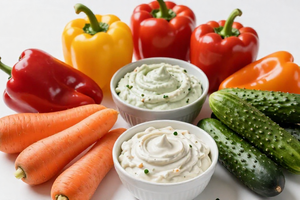
- Fiber-Rich, Non-Leafy Veggies: Expand your idea of “vegetables” beyond the base. Add texture, color, and complex carbohydrates with chopped broccoli, cauliflower, bell peppers, shredded Brussels sprouts, or zucchini. These have more fiber than delicate leaves, which slows digestion further.
Warning Sign 2: The Dressing Is a Sugar Bomb
This is the stealth culprit that can undermine an otherwise perfect salad. You’ve carefully assembled a bowl with protein, healthy fats, and crunchy veggies, only to drench it in a store-bought dressing that’s more akin to dessert syrup.
Many commercial dressings, especially fat-free or “light” versions, replace fat with sugar, corn syrup, and a list of stabilizers to make up for lost flavor and texture. A few tablespoons can add 10-20 grams of sugar and very little nutritional value. This causes a rapid spike in blood sugar, followed by a crash that leaves you feeling tired and hungry again.
Even some vinaigrettes, which sound healthy, can be loaded with added sugars. That sweet, tangy taste often comes at a cost.
Crafting a Truly Nourishing Dressing
The solution is simple and takes just a minute. A basic, satisfying dressing relies on a 3:1 ratio of oil to acid, plus flavor.
- The Oil: Extra virgin olive oil, avocado oil, or a nut oil like walnut or sesame.
- The Acid: Apple cider vinegar, red wine vinegar, fresh lemon juice, or lime juice.
- The Flavor: A dab of Dijon mustard, minced garlic, salt, pepper, and dried or fresh herbs.
Whisk it together in a small jar. Not only do you control the sugar (none is needed), but the healthy fats in the oil will help you absorb nutrients from the salad and contribute to that lasting feeling of fullness.
Putting it all together, a filling low-carb lunch salad has a clear blueprint. Start with a moderate bed of greens as your foundation. Then, add a palm-sized portion of protein, a generous thumb-sized portion of healthy fats, and a few hearty handfuls of additional fibrous vegetables. Finally, dress it with a simple, sugar-free vinaigrette you can feel good about.
When your salad contains this balance, it ceases to be just a side dish or a dietary afterthought. It becomes a complete, satisfying meal that powers you through your afternoon with steady energy and no nagging hunger pangs. Listen to what your body tells you an hour after lunch—it’s the best indicator of whether your salad is working for you.