Making gluten-free pizza dough at home can feel like a balancing act, especially when you want to add seasonal fruit for a sweet or savory twist. One of the most common pitfalls is ending up with a dough that is too wet to handle, shape, or even bake properly. Recognizing the warning signs early can save you from a sticky mess and lead to a crust with a good crumb instead of a dense, gummy result.
Below are two clear indicators that your gluten-free dough has absorbed too much moisture, along with what you can do to adjust before it hits the oven.
Sign #1: The Dough Pulls Away from the Bowl but Slides Instead of Holds
A properly hydrated gluten-free pizza dough should be soft and slightly tacky, but it should hold its shape when you stop mixing. If you notice that the dough sticks to the sides of the mixing bowl again right after pulling away, or if it slides off a spatula in a single, runny mass rather than dropping in a soft lump, it is likely too wet.
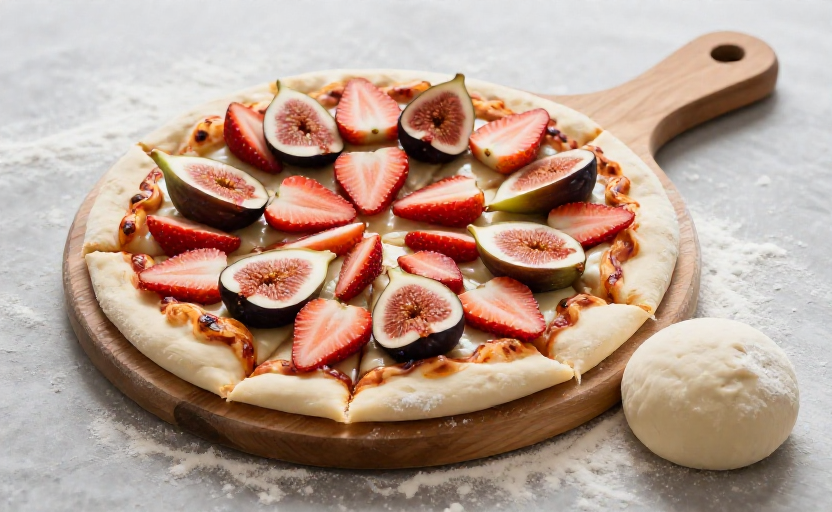
Fresh seasonal fruits—such as sliced strawberries, peaches, or figs—release additional juice as you fold them in. This extra liquid can throw off the ratio of wet to dry ingredients, especially in gluten-free blends that rely on starches and gums rather than gluten for structure.
Quick check: Press a clean, dry finger into the center of the dough ball. If the indentation fills with liquid or the dough spreads out slowly, you have a moisture problem.
Sign #2: Your Hands Are Coated in a Sticky Film That Doesn't Rinse Off Easily
Lightly oiled hands are the standard way to handle sticky gluten-free dough. However, if you find that your hands become covered in a thick, glue-like film that water alone won't remove, the dough has taken on too much water or fruit juice. This usually indicates that the flour blend has become saturated beyond what the starches can hold.
Adding fruit that has not been patted dry is a common culprit. For a sturdier dough, consider tossing diced fruit with a tablespoon of almond flour or tapioca starch before folding it in. This small step can absorb surface moisture and help the dough maintain a workable consistency.
What if you catch it early?
If you notice either of these signs before the dough has finished resting, you can correct it. Sprinkle extra gluten-free all-purpose flour (or a blend of rice flour and tapioca starch) one tablespoon at a time, mixing gently until the dough becomes cohesive but not dry. Let it rest for 10 minutes so the starches can hydrate before you judge the texture again.
Tips for Adjusting Your Fruit-to-Dough Ratio
- Pat fruit dry: After washing, lay fruit on a clean kitchen towel and blot away visible moisture.
- Maceration management: If you macerate fruit with sugar, drain off the syrup before adding the fruit to the dough.
- Add fruit last: Fold fruit in after the dough has come together and rested for a few minutes to avoid overworking a fragile batter.
Learning to read your dough is part of the process. A gluten-free crust can be light and satisfying, even with sweet summer fruit, as long as you keep the moisture balance in check. If the dough passes the test, spread it on a parchment-lined pan, add a light dusting of cornmeal for texture, and bake until the edges are golden and the fruit is tender.