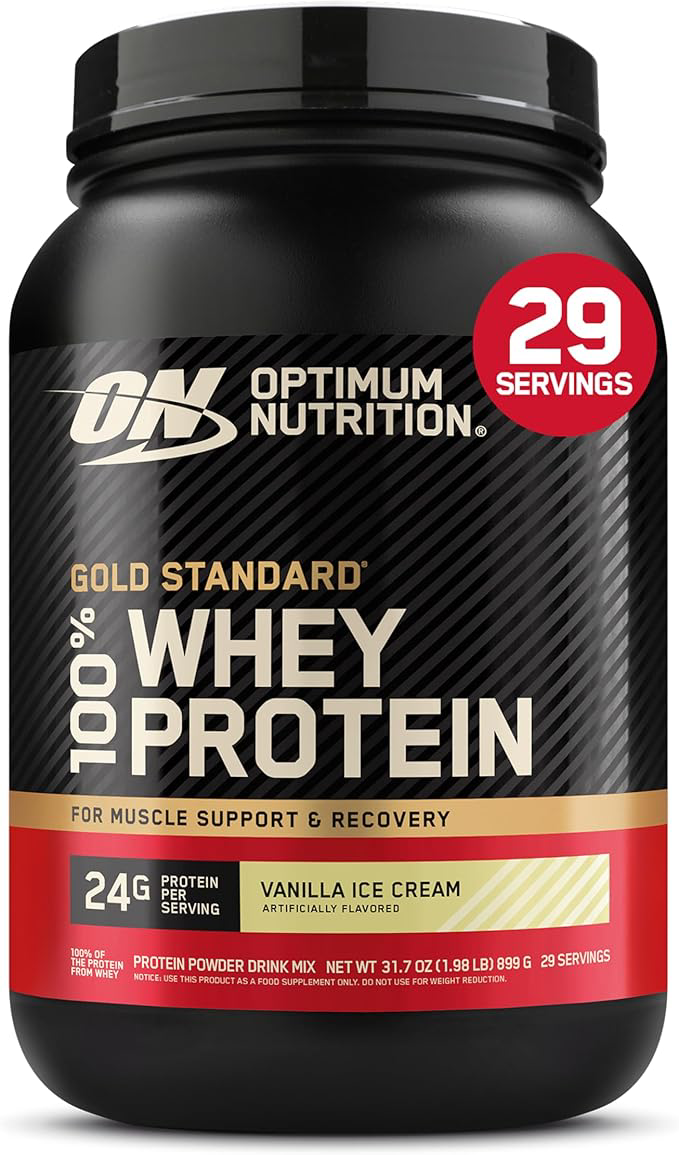
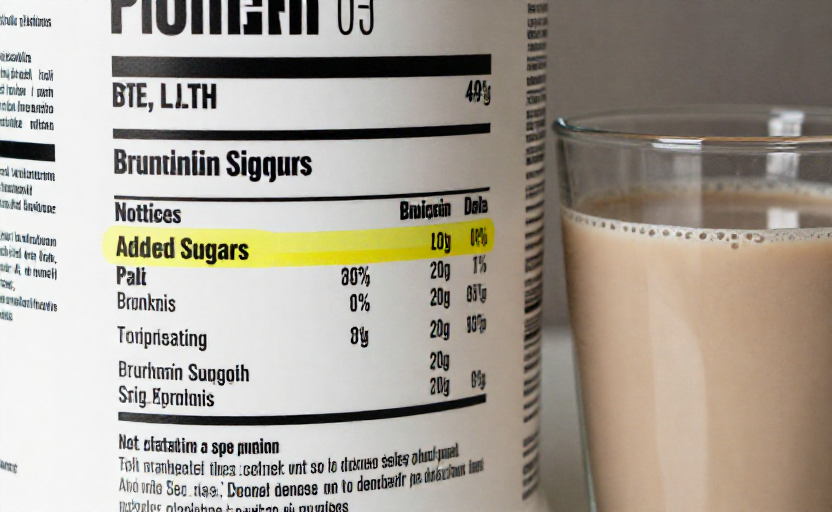
You reach for a protein shake for a quick, nutritious boost—maybe after a workout, as a meal replacement, or to support your daily protein goals. It promises muscle recovery, satiety, and clean fuel. But what if that convenient drink is quietly working against your health objectives by delivering a hefty dose of added sugar? Learning to identify the warning signs can help you make a smarter choice that truly aligns with your wellness goals.
While some sugar occurs naturally in ingredients like milk or fruit, added sugars are the ones to watch. They contribute empty calories, can lead to energy crashes, and over time, may undermine metabolic health. Spotting a high-sugar shake isn't always about glaring sweetness; sometimes, the clues are more subtle.
What does "too much" sugar actually mean?
Context is key. The American Heart Association recommends limiting added sugars to no more than 36 grams per day for men and 25 grams for women. A single protein shake can sometimes contain half or more of that daily allowance. When you consider that the primary purpose of a protein supplement is to deliver protein—not sugar—a drink with 15, 20, or even 30 grams of added sugar is likely veering into dessert territory.
Your protein shake should feel like a nutritional asset, not a sugary treat in disguise.
Focus on the ratio. A quality protein shake will prioritize protein as the first and most abundant ingredient. If sugars (under any of their many names) appear high on the ingredients list, it's a red flag that the balance is off.
The first warning sign: The ingredient list reads like a sugar glossary
This is the most reliable place to look. Manufacturers use dozens of different names for added sugars, scattering them throughout the list to make the total amount less obvious at a glance. If you see multiple entries from the following list, your shake is likely packed with added sweeteners.
- Common aliases: Cane sugar, brown rice syrup, agave nectar, coconut sugar, and honey (unless it's a pure, unflavored product you add yourself).
- Syrups: High-fructose corn syrup, malt syrup, rice syrup, and caramel.
- Words ending in "-ose": Sucrose, fructose, dextrose, maltose, and glucose.
- Other sweeteners: Evaporated cane juice, fruit juice concentrate, maltodextrin (a high-glycemic carbohydrate that acts like sugar in the body), and "natural flavors" which can be code for sweeteners.
A short, recognizable ingredient list is often a good sign. When the list is long and filled with sweetener synonyms, it's the first clear warning that the sugar content is higher than it needs to be.
The second warning sign: Your energy follows a rollercoaster pattern
Pay attention to how your body feels after consumption. A protein-rich drink should provide sustained energy and fullness. If you consistently experience a specific pattern, your shake's sugar content could be the culprit.
Do you feel a quick burst of energy and mental clarity shortly after drinking it, followed by a noticeable crash, fatigue, or brain fog an hour or two later? This spike-and-crash cycle is a classic sign of a high glycemic load, driven by a rapid influx of sugar into your bloodstream. Your insulin spikes to manage the sugar, often leading to a subsequent drop in blood glucose levels—and your energy along with it.
Conversely, you might feel an immediate heaviness or bloating. Some sugar alcohols (like erythritol, xylitol, or sorbitol), often used in "low-sugar" or "sugar-free" shakes, can cause digestive discomfort when consumed in larger amounts. While not technically added sugar, their presence in high quantities is another indicator that the product is highly sweetened, just in a different way.
How to choose a better shake
Armed with these two warning signs—a complicated ingredient list and undesirable energy effects—you can become a more discerning shopper. Here’s what to do instead.
Decode the nutrition label
Always look at the "Total Sugars" line and the "Includes Xg Added Sugars" line now mandated on labels. For a protein shake, aim for as low an added sugar number as possible—ideally under 5 grams, and certainly under 10 grams per serving. The protein-to-sugar ratio should be strongly in protein's favor; a shake with 20 grams of protein and 2 grams of added sugar is far better than one with 20 grams of protein and 20 grams of added sugar.
Prioritize protein sources
Look for protein from whole-food sources or high-quality isolates like whey, casein, pea, or hemp. If the protein source is listed after several sweeteners, the product's priorities are misplaced.
Consider simplicity
Sometimes the simplest solution is the best. An unflavored protein powder lets you control the sweetness entirely. You can blend it with water or unsweetened milk and add your own flavor from a handful of berries, a dash of cinnamon, or a drop of pure vanilla extract. This way, you know exactly what's inside.
When in doubt, an unflavored powder and your own whole-food additions put you back in the driver's seat.
Your protein shake is meant to support your health and fitness journey. By learning to spot these two warning signs, you can ensure it's a genuine tool for nourishment, not a source of hidden sugar that works against your goals.