
You finish a hard workout, grab what feels like a reasonable snack, and move on with your day. But a few hours later, your muscles feel sore—not the satisfying kind of sore, but something deeper. You might be dragging, or maybe you notice that your gains have plateaued despite putting in the work. The culprit could be sitting right in front of you: your post-workout snack may be missing the protein your muscles desperately need for repair.
Protein isn't just a buzzy macro. After resistance training, your muscle fibers experience microscopic tears. Without adequate protein—specifically the amino acid leucine—those tears don't repair efficiently. You can still eat a "healthy" snack and miss the mark entirely. Here are two concrete warning signs that your recovery snack isn't doing its job.
Sign 1: Your Snack is Carbohydrate-Heavy with Little to No Protein
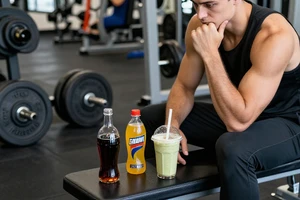
This is the most common mistake. You finish a strength session and reach for a banana, a granola bar, or a piece of toast with jam. On paper, these are healthy choices. In practice, they're almost entirely carbohydrate. While carbs help replenish glycogen stores, they do almost nothing for muscle protein synthesis—the actual repair and rebuilding process.
A 2017 study in the Journal of the International Society of Sports Nutrition found that consuming 20–40 grams of high-quality protein post-workout significantly enhances muscle repair compared to carb-only snacks. If your snack looks like fruit alone, a bag of pretzels, or a sports drink, you're essentially sending your muscles into recovery mode without the raw materials they need. Your body can't build new tissue from sugar alone.
The quick check: Look at the snack in front of you. If it doesn't have a visible protein source—think dairy, eggs, soy, or meat—you're likely falling short.
What This Feels Like
You might notice that your muscles feel unusually fatigued the next day, or that you're not as strong in your next session. You could also feel hungry again soon after eating, because protein promotes satiety. If you're eating a carb-only snack and feel "hangry" an hour later, that's your body signaling that it didn't get what it needed for repair.
Sign 2: Your Snack is Too Low in Total Protein (Even If It Contains Some)
A second, subtler sign is eating a snack that contains protein, but not enough. A tablespoon of peanut butter on celery, a small handful of almonds, or a single hard-boiled egg might feel like a balanced choice. But research suggests you need a threshold dose of protein—roughly 10–20 grams for most people—to maximize muscle protein synthesis. A single egg provides about 6 grams. A tablespoon of peanut butter gives you around 4 grams. These amounts are simply too low to trigger a robust repair response after a challenging workout.
This is where the concept of the "leucine threshold" comes in. Leucine, an essential amino acid, acts as the on-switch for muscle building. You need about 2–3 grams of leucine per meal or snack to stimulate repair. Most plant-based protein sources are lower in leucine per gram than animal sources, so a small nut-based snack may contain less than 1 gram of leucine.
How to Spot It
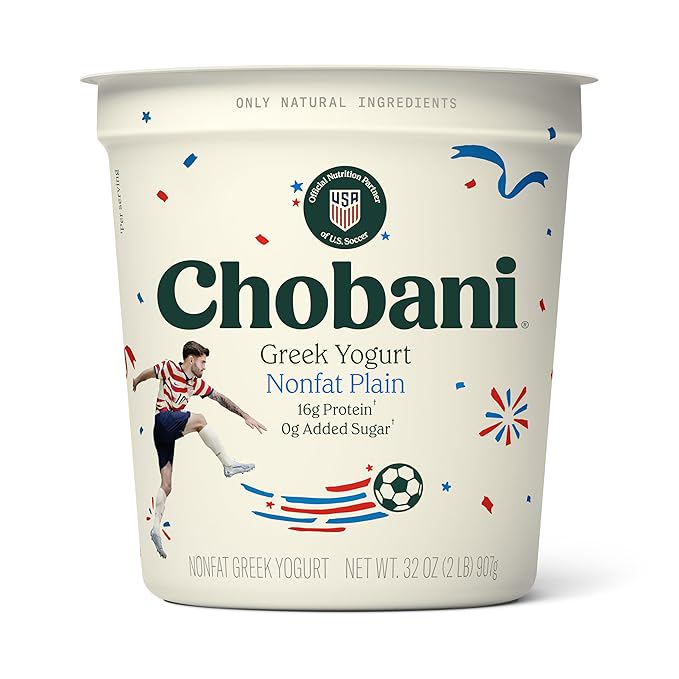
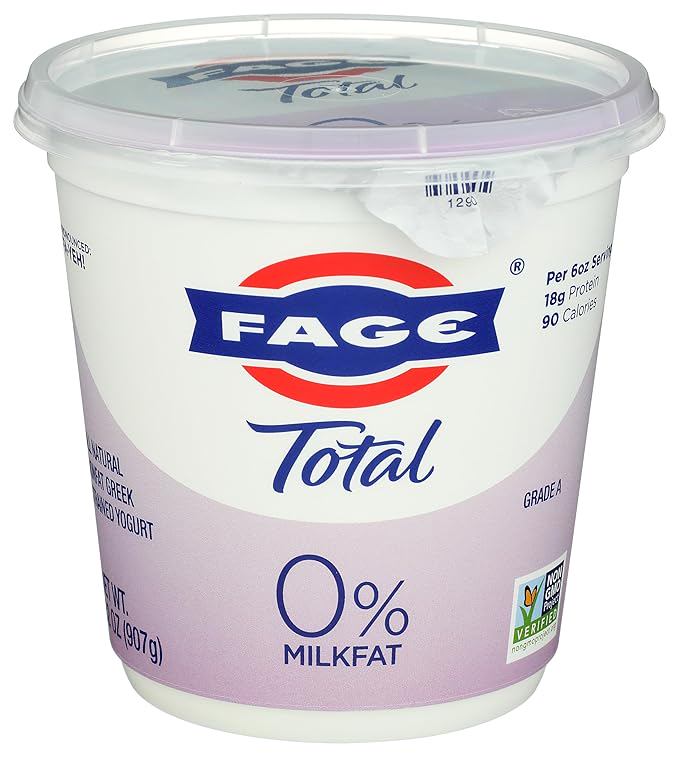
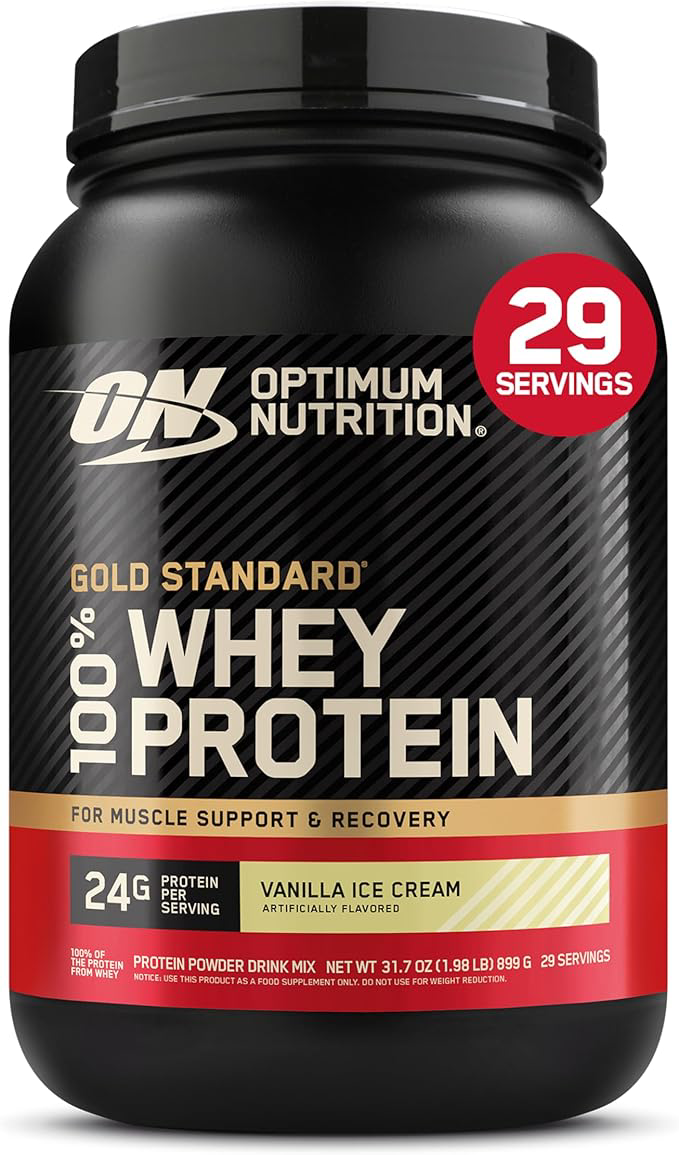
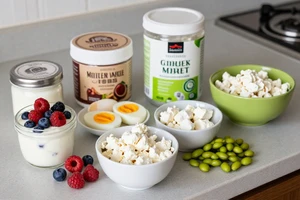
Check the nutrition label on packaged snacks. If the total protein is under 10 grams, it's likely not enough for recovery after a tough session. For whole foods, you can ballpark it: three large eggs (18g protein), a cup of Greek yogurt (20g), or a scoop of protein powder mixed into a smoothie (20–25g) are reliable options. If you're reaching for something less than that, consider pairing it with another protein source.
Building a Better Post-Workout Snack
Recognizing these warning signs is the first step. The fix doesn't have to be complicated. Aim for a snack that combines a moderate amount of protein (15–25 grams) with some carbohydrates for energy replenishment. Timing also matters: the so-called "anabolic window" is wider than once thought, but eating within two hours post-workout is still a practical guideline for most people.
Some simple, effective options include:
- Greek yogurt with berries: A single cup of plain Greek yogurt delivers about 20 grams of protein, plus carbohydrates from the fruit.
- Tuna or chicken on whole-grain crackers: Three ounces of tuna provides roughly 20 grams of complete protein.
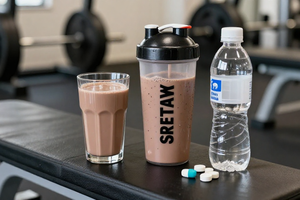
- Protein shake with a banana: One scoop of whey or plant-based protein powder mixed with milk or water and a banana hits both protein and carb requirements.
- Cottage cheese with pineapple: Half a cup of cottage cheese offers about 14 grams of protein; add fruit for carbs.
A quick tip: If you train early in the morning or have a tight schedule, a ready-to-drink protein shake or a single-serve pouch of shelf-stable milk can save the day—no prep needed.
When to Adjust Your Approach
These warning signs are especially relevant if you're doing resistance training, lifting weights, or high-intensity interval work. If your primary activity is light cardio or yoga, your protein needs after exercise are lower. But for anyone focused on building or maintaining lean muscle mass, protein is non-negotiable. Pay attention to how you feel in the hours after your snack. Persistent soreness, slow recovery, or stalled progress in the gym can all be clues that your post-workout nutrition needs a tweak.
General wellness education: this information does not replace professional medical advice. Individual protein needs vary based on body weight, training intensity, and health status. For personalized guidance, consult a registered dietitian or healthcare provider.