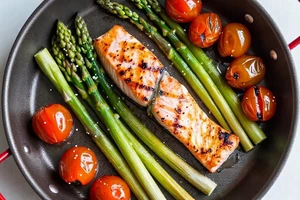
One-pan dishes are a weeknight hero—they promise minimal cleanup and maximum flavor. But that convenience can sometimes come with a hidden cost: an overload of added fats. While healthy fats are essential, too much oil, butter, or grease can turn a nourishing meal into one that feels heavy and leaves you sluggish. Learning to spot the signs isn't about strict rules; it's about tuning into your cooking and your body's cues to find a better balance.
Recognizing when you've crossed the line from 'just enough' to 'too much' is a simple skill that can transform your everyday cooking. It leads to meals that feel lighter, taste cleaner, and still deliver on satisfaction.
What are the immediate signs in the pan?
Your cooking vessel tells the story before you even take a bite. The first clues are visual and textural, happening right in front of you as you cook.
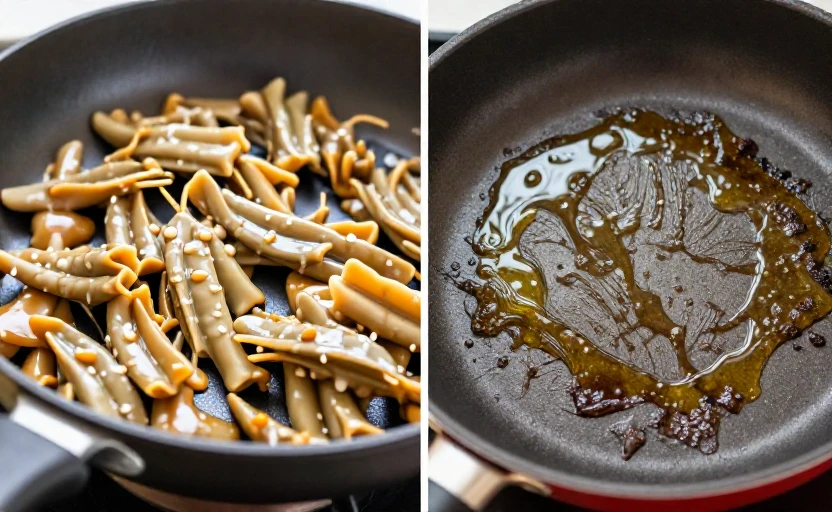
Watch for a persistent, visible pool of oil or melted fat that doesn't absorb into the ingredients. Instead of lightly coating the vegetables or protein, it gathers in the low spots of the pan, separate from the food. When you stir, you should hear a gentle sizzle of ingredients cooking, not a distinct, separate 'swoosh' of liquid fat moving around. If your ingredients seem to be swimming rather than sautéing, that's a clear signal.
A good rule of thumb: aim to coat the pan, not submerge the food.
Another reliable test is the paper towel blot. After cooking, place a piece of raw vegetable or a bite of protein on a folded paper towel for a few seconds. If it leaves a large, translucent grease spot, a significant amount of fat is sitting on the surface of your food, rather than being integrated into it.
How does the finished dish look and feel?
Once plated, the evidence becomes even clearer. Excess fat often announces itself through a unappealing, greasy sheen that covers everything uniformly. Instead of looking glazed or glossy in a appetizing way, the dish looks oily and heavy.
Pay attention to the sauce or pan juices. In a well-balanced dish, these will have body from reduced stock, wine, or the natural juices of the ingredients. When there's too much fat, these juices remain stubbornly separated—you'll see clear oil floating on top of any other liquid, refusing to emulsify. The mouthfeel is the final giveaway. A bite should offer a variety of textures, but an overly fatty dish coats your mouth uniformly with a slick, lingering film that can dull other flavors.
Why does this happen in one-pan cooking?
The very simplicity of the method can lead us astray. It's incredibly easy to pour oil directly from the bottle into the pan without measuring. Without multiple steps or pots to divide ingredients, all the fat you add stays right there in the single pan, accumulating. We also often add fat at multiple, unnecessary stages: oil to start, a pat of butter for flavor at the end, a drizzle of finishing oil. Each adds up quickly.
There's also a common misconception that more fat prevents sticking. While some fat is necessary, a properly preheated pan and patience to let ingredients sear and release naturally are more effective than flooding the pan.
How can you easily correct course?
The good news is that fixing an overly fatty dish is often straightforward, and preventing it is even easier. Start by adopting the 'pour-and-measure' habit. Use a spoon to transfer oil from the bottle to the pan, or use a mister. You'll almost always use less.
If you find yourself with a pan of greasy cooked ingredients, don't despair. Tilt the pan and carefully spoon out the excess pooled fat before proceeding to any sauce or serving step. For dishes with a liquid component, let it settle for a minute; the fat will rise to the top where you can skim it off with a spoon. A single piece of plain bread, briefly dabbed on the surface of a stew or braise, can miraculously soak up a surprising amount of surface grease.
Building flavor doesn't require a lake of oil. Lean on aromatics like garlic, onions, and herbs. Use the natural juices from tomatoes, mushrooms, or zucchini to create a cooking base. A splash of vinegar, citrus juice, or a bit of mustard can help create a cohesive, flavorful sauce that feels rich without relying solely on fat. It’s about creating balance, not deprivation—so your one-pan wonder remains just that.