
You started a new strength-training routine a few weeks ago. You expect to feel sore — that familiar ache after a good session. But lately, the soreness feels different. It lingers for days. It comes with a heavy, tired feeling that doesn't lift even after a full night's sleep. You might wonder: is this normal, or is my body trying to tell me something?
For beginners, muscle soreness is a natural part of the adaptation process. However, when soreness becomes unusually prolonged or intense, it could be a sign that your protein intake isn't keeping up with your body's repair demands. Here are two specific warning signs that your soreness may be pointing to a protein gap — and what to do about it.
Warning sign #1: Your soreness hasn't faded after 72 hours
Typical delayed onset muscle soreness (DOMS) peaks about 24 to 48 hours after exercise and then gradually subsides. By day three or four, you should feel a noticeable improvement. If you're still wincing when you climb stairs or lift your arms five days after a workout, that's a red flag.
When you don't consume enough protein, your body lacks the raw materials — specifically amino acids — needed to repair micro-tears in muscle fibers. Without adequate repair, inflammation lingers and recovery stalls. This isn't just about discomfort; it's a sign that your muscles are struggling to rebuild. As a beginner, your body is still adapting to the demands of strength training, making sufficient protein even more critical during these early weeks.
Think of protein as the construction crew for your muscles. No crew, the job site stays torn up longer.
Warning sign #2: You feel heavy fatigue along with the soreness
Muscle soreness after a good workout often feels local — your quads ache, but you have energy otherwise. If you feel a deep, whole-body lethargy that accompanies the soreness, that's different. This kind of fatigue suggests your body is not only struggling to repair muscle tissue but also running low on the energy systems that support recovery.
Protein plays a role beyond muscle repair; it also helps stabilize blood sugar and supports neurotransmitter function. When protein intake is too low, your body may break down its own muscle tissue for energy — a process that worsens fatigue and prolongs soreness. For beginners, this can create a frustrating cycle: you're sore because you're not recovering, and you're exhausted because your body is working overtime to compensate.
How much protein do beginners actually need?
General recommendations for active adults range from 1.2 to 2.0 grams of protein per kilogram of body weight per day. Beginners starting strength training often benefit from the higher end of that range during the first few months. That translates to roughly 20 to 40 grams of protein per meal, depending on your body weight, spread across three to four meals.
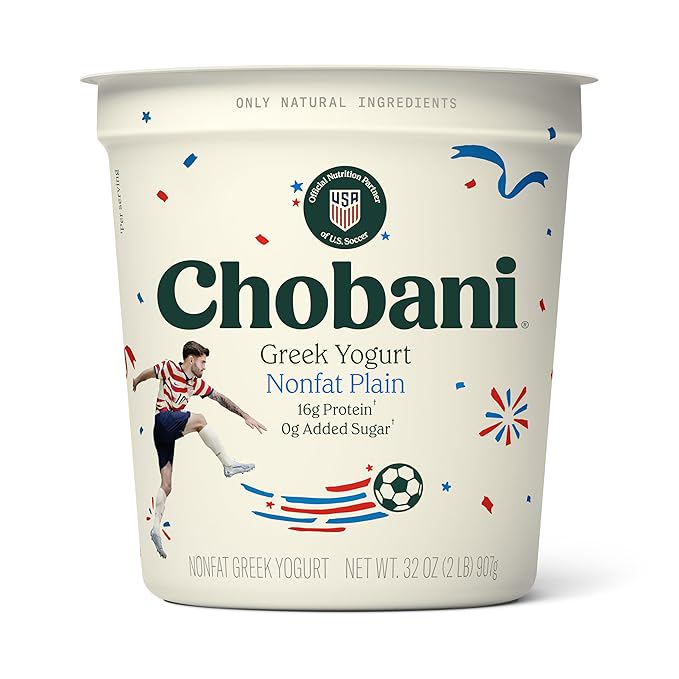
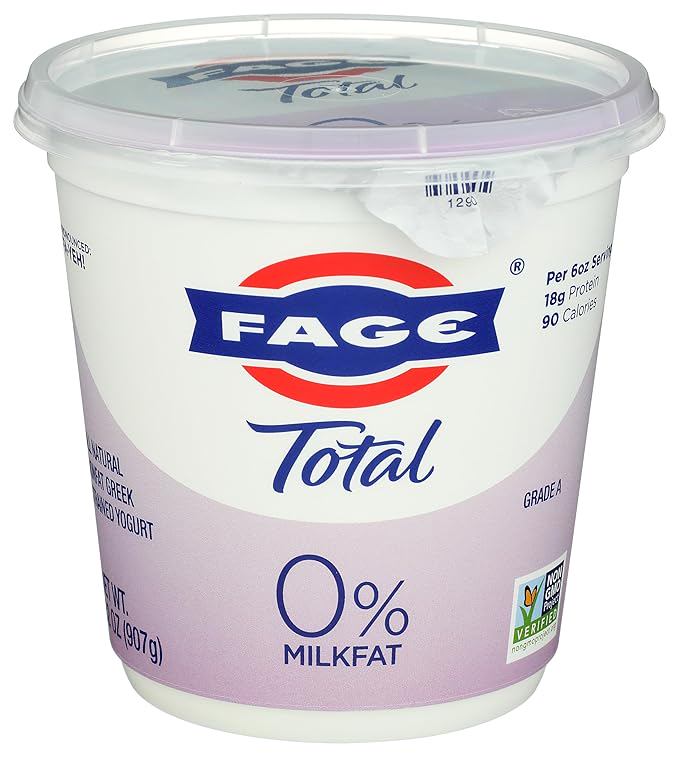
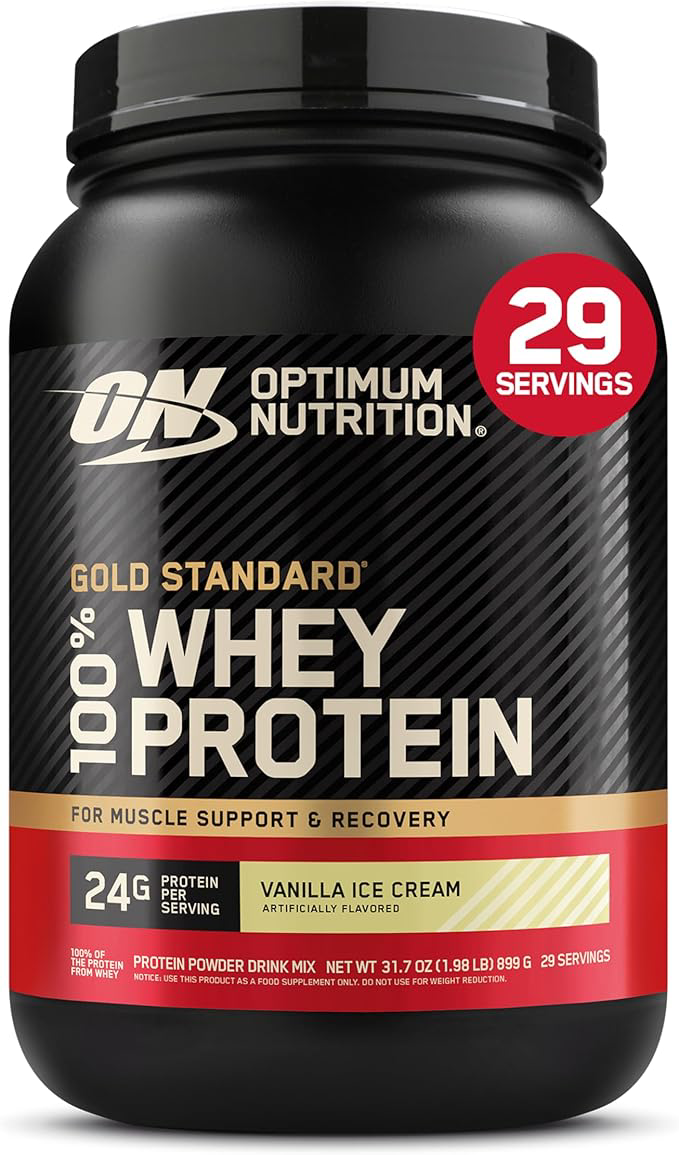
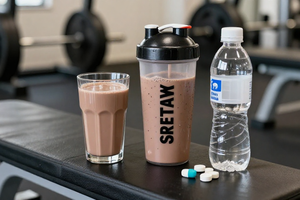
You don't need to track every gram obsessively. A practical approach is to include a source of protein — like eggs, Greek yogurt, chicken, tofu, or a quality protein powder — at each meal and especially within two hours after your workout. If you routinely skip post-workout nutrition or notice your meals are carb-heavy with minimal protein, that's a likely culprit.
When soreness may not be a protein issue
Not all prolonged soreness is about protein. If your soreness is sharp, one-sided, or accompanied by swelling or bruising, it may signal an injury rather than a recovery problem. Similarly, if you dramatically increased your workout volume or intensity, even adequate protein may not prevent deeper soreness — your body simply needs time to adapt. Sleep quality and hydration also play major roles in recovery. If you're sleeping poorly or not drinking enough water, no amount of protein will fully resolve your soreness.
Simple steps to test the protein theory
- Add protein to your post-workout meal. Aim for at least 20 to 30 grams within two hours of finishing your session. A shake, a chicken breast, or a cup of cottage cheese all work well.
- Distribute protein evenly across the day. Instead of a massive dinner with little protein at breakfast, aim for roughly equal portions at each meal. This keeps amino acids available to your muscles all day.
- Monitor your soreness for two weeks. If you consistently increase your protein intake and the prolonged soreness and fatigue fade, you've found your answer. If nothing changes, consider other factors like sleep, stress, or workout programming.
Muscle soreness is a signal, not a sentence. Learning to distinguish between normal adaptation soreness and the kind that hints at a nutrition gap is a skill every beginner can develop. Paying attention to these two warning signs — soreness that lingers beyond three days and fatigue that feels deeper than muscle ache — can help you adjust your protein intake early, before it derails your progress.