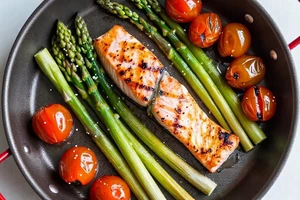

You look forward to that quick, easy weeknight dinner all day. It’s simple, it’s comforting, and it gets food on the table fast. But what if that very convenience is quietly working against your gut health? Emerging research suggests that two common hallmarks of many quick meals—ultra-processed ingredients and a lack of prebiotic fiber—can negatively alter your gut microbiome in as little as a few days.
Here are the two warning signs to watch for, along with simple swaps that keep your weeknights easy without sacrificing your digestive wellness.
Warning Sign #1: The Ingredient List Reads Like a Chemistry Set
If your go-to meal relies heavily on pre-packaged sauces, flavored rice mixes, frozen entrées with long ingredient lists, or highly refined flours and sugars, you’re likely consuming a high amount of emulsifiers, artificial sweeteners, and preservatives. These substances are designed to improve texture and shelf life, but they can directly damage the protective mucus layer in your gut and reduce the diversity of your gut bacteria.
A quick check: If the product contains ingredients like polysorbate-80, carboxymethylcellulose, maltodextrin, or sugar alcohols (sorbitol, xylitol) high on the list, it’s a red flag for gut health.
These additives have been shown in studies to promote low-grade inflammation and feed the “bad” bacteria that thrive on processed substances. The good news? You don’t need to cook from scratch every night. Simply swapping a packet sauce for a jar of simple crushed tomatoes or a homemade vinaigrette can eliminate multiple additives in one go.
Warning Sign #2: Your Plate Is Missing Two Key Elements: Fiber and Variety
Easy weeknight meals often lean on a protein (like chicken or ground beef) and a simple carb (like white rice, pasta, or bread). That combination, while filling, is very low in the soluble and insoluble fiber your beneficial gut bacteria need to thrive. Fiber is their primary food source—specifically prebiotic fibers like inulin, resistant starch, and beta-glucan. When you don’t feed them, they starve.
Moreover, a lack of plant diversity means you’re missing out on the polyphenols and different types of fiber that encourage a wider variety of bacterial species. A less diverse microbiome is linked to poorer digestion, a weaker immune response, and even mood changes.
Simple Fixes for Busy Nights
- Add a quick veggie: Stir a handful of frozen spinach, grated zucchini, or shredded cabbage into your sauce or rice in the last 2 minutes of cooking. It barely changes the taste but adds instant fiber.
- Switch your starch half the time: Use half white rice and half cooked lentils, or try a quick-cook whole grain like quinoa or bulgur. This introduces resistant starch, a powerful prebiotic.
- Include a fermented side: A small spoonful of sauerkraut, kimchi, or a few sips of plain kefir directly adds beneficial probiotics to the meal, helping to counterbalance any less-ideal ingredients.
One More Weeknight Threat: Your Cooking Oil
Many easy recipes call for vegetable, soybean, or corn oils because they’re cheap and neutral-flavored. However, these oils are high in omega-6 fatty acids. While some omega-6 is essential, the typical Western diet provides far too much—and this imbalance can promote a pro-inflammatory gut environment. Over time, this can break down the gut barrier (often called “leaky gut”) and reduce beneficial bacteria.
Swap it: Use extra-virgin olive oil, avocado oil, or coconut oil for your weeknight meals. They’re more stable, add flavor, and support a healthier omega-3 to omega-6 ratio.
The Bottom Line: You Don’t Have to Give Up Easy
Convenience and gut health don’t have to be opposites. You can still make a 15-minute meal—just become aware of the two biggest hidden threats. Read the labels on your “shortcut” ingredients, and intentionally add one or two gut-supporting elements (fiber, polyphenols, probiotics) to every plate. Your microbiome will adapt quickly; you might notice lighter digestion, fewer cravings, and less bloating in just a week or two.
Disclaimer: This article is for educational purposes only and does not replace personalized medical advice. Always consult a healthcare provider before making significant changes to your diet, especially if you have a diagnosed gut condition.