
If you have oily skin, you might think a powerful, squeaky-clean feeling is the goal of cleansing. After all, you want to cut through that shine. But what if that tight, stripped sensation is actually a red flag? Using a cleanser that's too aggressive can backfire, disrupting your skin's balance and potentially making oiliness worse. Recognizing the warning signs is the first step toward a healthier, more comfortable routine.
The Paradox of Over-Cleansing Oily Skin
Oily skin produces excess sebum, a natural oil that protects and hydrates. The instinct is to remove it all, but this can trigger a problematic cycle. Your skin's barrier—a delicate layer of lipids and cells—can be compromised by harsh surfactants. When this happens, your skin may interpret the lack of oil as a crisis, prompting it to produce even more sebum to compensate. This is why the right cleanser doesn't feel like it's taking everything away; it should feel like it's resetting your skin to a balanced, calm state.
Warning Sign 1: Persistent Tightness or Dry Patches
The most immediate sign your cleanser is too harsh is how your skin feels the moment you pat it dry. A slight, fleeting feeling of freshness is normal. However, a pronounced tight, stretched, or uncomfortable sensation that lingers is a clear signal. This tightness means the cleanser has stripped away too much of your skin's natural protective oils.
For oily skin, this can manifest in contradictory ways. You might notice:
- A taut, "mask-like" feeling across your cheeks and forehead.
- Flaky, dry patches appearing in areas that are otherwise oily, like around the nose or between the eyebrows.
- An overall dull, rough texture instead of a smooth canvas.
If your skin feels tight and thirsty immediately after washing, it's not 'clean'—it's compromised. Your moisturizer is then fighting an uphill battle.
Warning Sign 2: A Surge in Oiliness and Shine
This is the counterintuitive outcome that confuses many. You wash your face thoroughly to reduce oil, yet within an hour or two, your skin is shinier than ever. This reactive oiliness is your skin's direct response to over-stripping. The barrier damage signals a need for more lubrication, so your sebaceous glands go into overdrive.
Pay attention to the timing and quality of the oil. If you're blotting or powdering much more frequently than before you started a new cleanser, or if the oil has a greasy, heavy quality rather than a natural glow, your cleanser is likely the culprit. This cycle of strip-and-replenish can also clog pores, leading to more breakouts precisely where you're trying to prevent them.
What to Look for in a Gentle Cleanser
Switching to a gentler formula doesn't mean sacrificing cleanliness. The goal is effective removal of dirt, sweat, and excess oil without disrupting the skin barrier. Seek out cleansers with these characteristics:
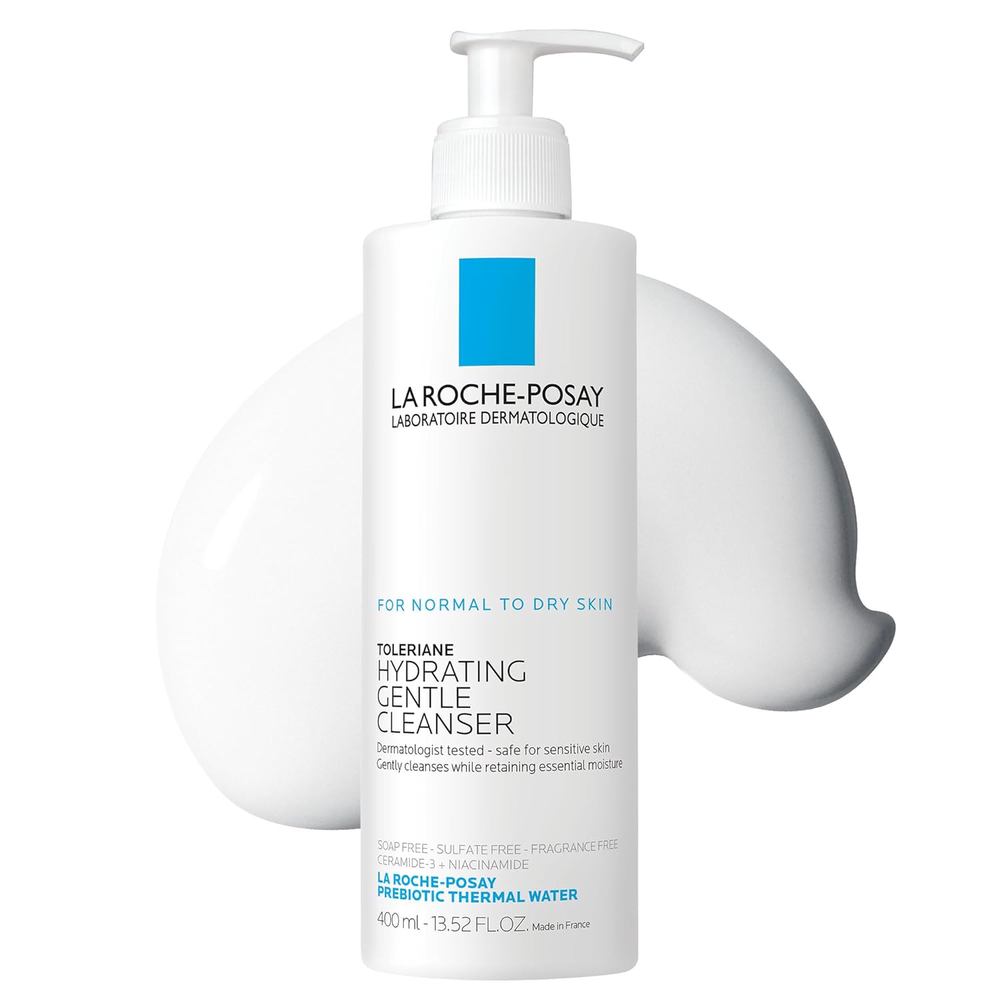
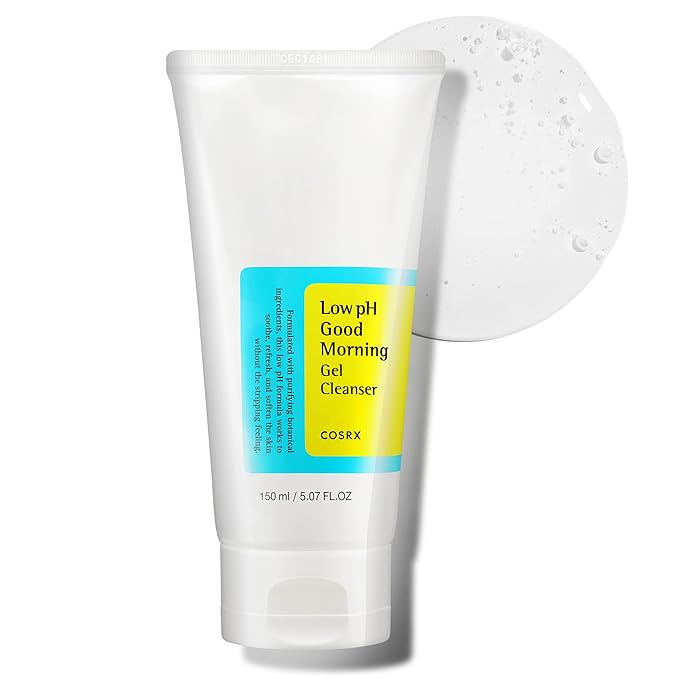
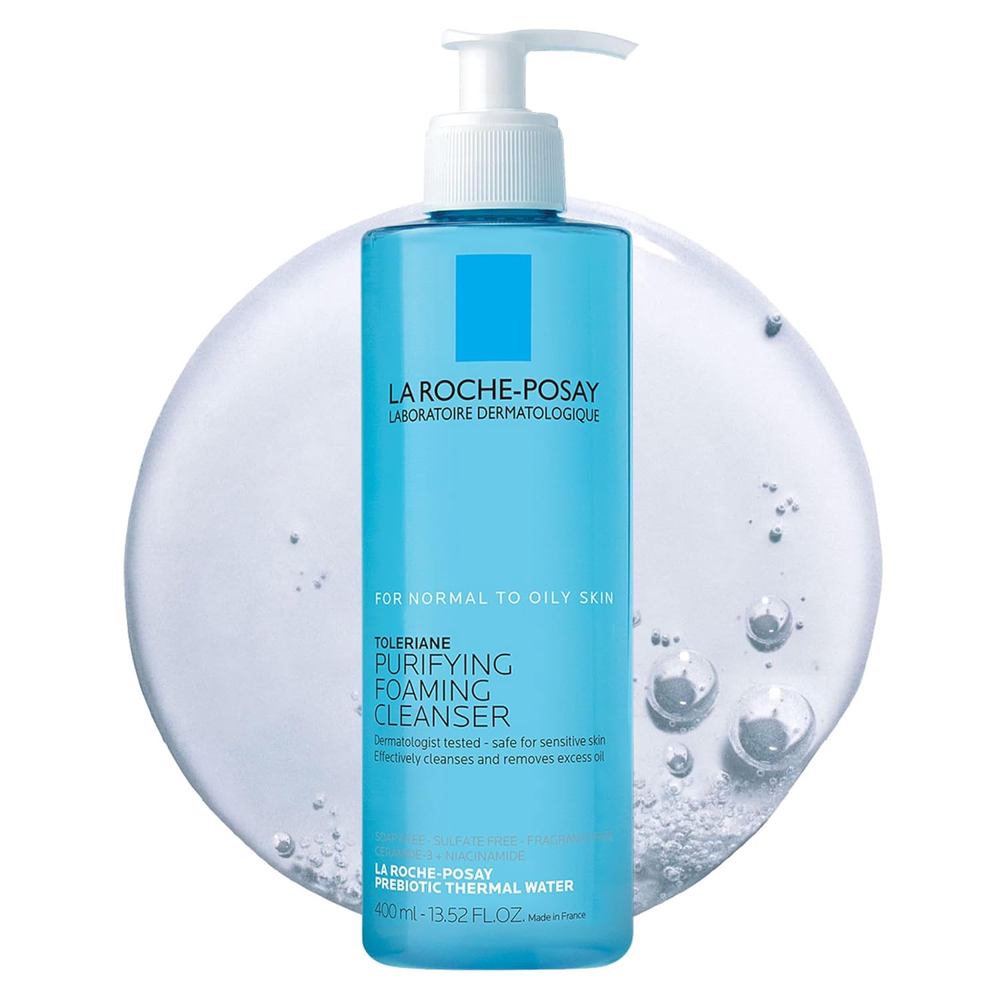
- Low-Foaming or Cream-Based Formulas: High, frothy lather often comes from sulfates like SLS or SLES, which can be drying. Gel or milky cleansers that create a soft lather or no lather are often better suited for maintaining balance.
- pH-Balanced: Skin's natural pH is slightly acidic. A cleanser that matches this (around pH 5.5) is less disruptive than a highly alkaline one.
- Soothing Ingredients: Look for formulations that include hydrators like glycerin, hyaluronic acid, or ceramides, which support the barrier during the cleansing process.
The test is in the result. After rinsing, your skin should feel clean, soft, and comfortable—not squeaky, not tight, not greasy.
Adjusting Your Cleansing Routine
Sometimes, it's not just the product but the practice. Even a gentle cleanser can cause issues if used incorrectly.
Frequency: Washing more than twice a day can be too much. For some, a splash of water in the morning followed by a proper cleanse at night is sufficient.
Water Temperature: Hot water can strip oils and irritate. Lukewarm water is ideal for cleansing.
Technique: Use your fingertips, not a rough cloth or scrubber, and massage gently for about 60 seconds before thoroughly rinsing. Pat dry with a clean towel—don't rub.
Listening to your skin is the most valuable skill in skincare. For oily skin, a harsh cleanser often announces itself through discomfort and a frustrating rebound of oil. By choosing a formula that respects your skin's barrier, you can achieve true cleanliness without the backlash, setting the stage for a healthier, more balanced complexion.