
You've switched to an anti-inflammatory way of eating—more vegetables, fewer processed foods, maybe even a colorful plate at every meal. But there's a quiet gap that many people overlook: protein. Without enough of it, even the cleanest diet can start sending you signals that something is off.
Here are two warning signs that your anti-inflammatory diet might be falling short on protein—and what to do about it.
1. You're Hungry Soon After Meals
Protein is the most satiating macronutrient. When you eat a meal built mostly around vegetables, fruits, and healthy fats, you might feel full at first, but if protein is missing, that fullness often fades fast. An hour or two later, you're craving a snack—and not necessarily a carrot stick. Cravings for salty, sweet, or crunchy foods often signal your body's need for protein or stable blood sugar.
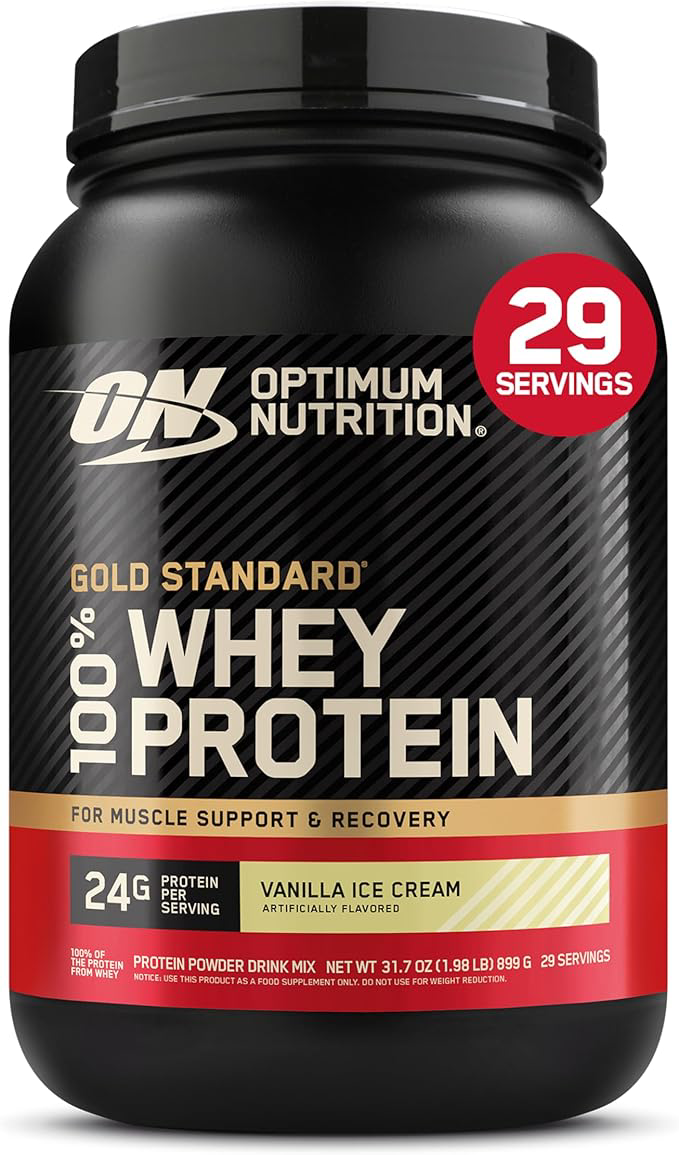
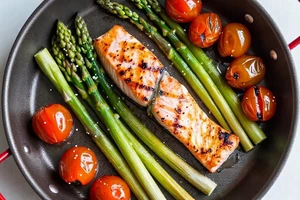
If you notice you're reaching for chips, energy bars, or something sugary between meals, check your plate. Did it include a palm-sized portion of chicken, fish, eggs, legumes, tofu, or quality protein powder? If not, your body may be nudging you to add more.
A quick fix: include a protein source at every meal and snack. For example, pair apple slices with peanut butter, or add a handful of lentils to your vegetable soup. That simple change can keep cravings at bay and support your anti-inflammatory goals.
2. Your Energy Slumps in the Afternoon
Protein helps stabilize blood sugar, and stable blood sugar means steady energy. If you hit that 3 p.m. wall—brain fog, fatigue, or just wanting to nap—lack of protein could be a culprit. An anti-inflammatory diet often emphasizes whole foods and low-glycemic choices, but if those meals are too low in protein, your body may burn through carbs quickly, leaving you drained.
Consider a lunch that's mostly salad greens, a handful of nuts, and vinaigrette. That's a healthy anti-inflammatory meal, but it might only provide 5–10 grams of protein. For many adults, that's not enough to sustain energy for four to five hours. Adding a serving of grilled chicken, chickpeas, or a hard-boiled egg can make the difference between a productive afternoon and a sleepy one.
How Much Protein Is Enough on an Anti-Inflammatory Diet?
General guidelines suggest around 0.8 grams of protein per kilogram of body weight for basic health, but many nutrition experts recommend a bit more—closer to 1.0 to 1.2 grams per kilogram—especially for people managing inflammation, recovering from illness, or trying to maintain muscle mass. Pregnant and breastfeeding women, older adults, and athletes have even higher needs.
That doesn't mean you need to eat massive portions. Spreading protein across the day—around 20–30 grams per meal—is a practical target. For reference, that's about 3–4 ounces of chicken, a cup of lentils, or a scoop of protein powder. Pair it with vegetables, fruits, and healthy fats for a balanced anti-inflammatory plate.
What to Do If You Recognize These Signs
If either warning sign sounds familiar, don't overhaul your diet overnight. Start by adding one protein-rich food to your current meals. For breakfast, stir two eggs into your sautéed greens. At lunch, add a handful of edamame to your salad. For dinner, include a serving of fish or tofu. Protein doesn't have to be complicated.
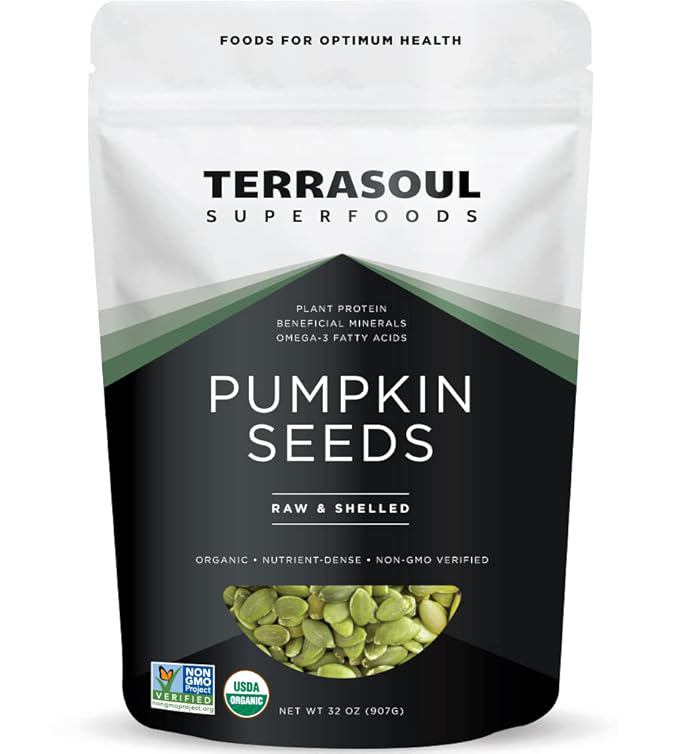
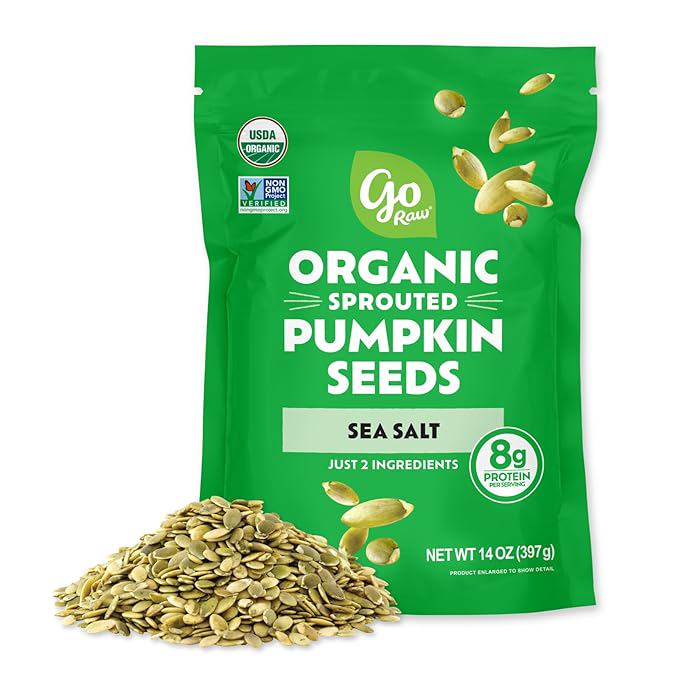
A great way to ensure you're meeting your needs is to include variety: animal sources (lean meats, fish, eggs, dairy) and plant sources (beans, lentils, tofu, nuts, seeds). That way, you also get a range of vitamins, minerals, and fiber that support your anti-inflammatory goals.
Listen to your body's signals. Persistent hunger and afternoon fatigue are not just normal parts of a busy day—they may be clues that your diet needs a simple, protein-focused adjustment.