If you thought breakouts were a teenage rite of passage, the persistent acne showing up in your 20s, 30s, or beyond can feel like a confusing betrayal. You might find yourself staring in the mirror, wondering why a skincare routine that once worked now seems powerless. While stress can certainly trigger flare-ups, there’s another, more systemic player often behind adult acne: hormones. The patterns and behaviors of hormonal acne are distinct. Recognizing them is the first, crucial step toward finding a clearer path forward.
Hormonal acne isn't just about having a pimple; it's about a specific, recurring pattern influenced by the ebb and flow of hormones like estrogen, progesterone, and androgens. It speaks a different language than the occasional stress breakout. Learning to interpret its signals—where it appears, when it flares, and how it looks—can help you have more productive conversations with a dermatologist and guide your approach to care.
What does hormonal acne look and feel like?
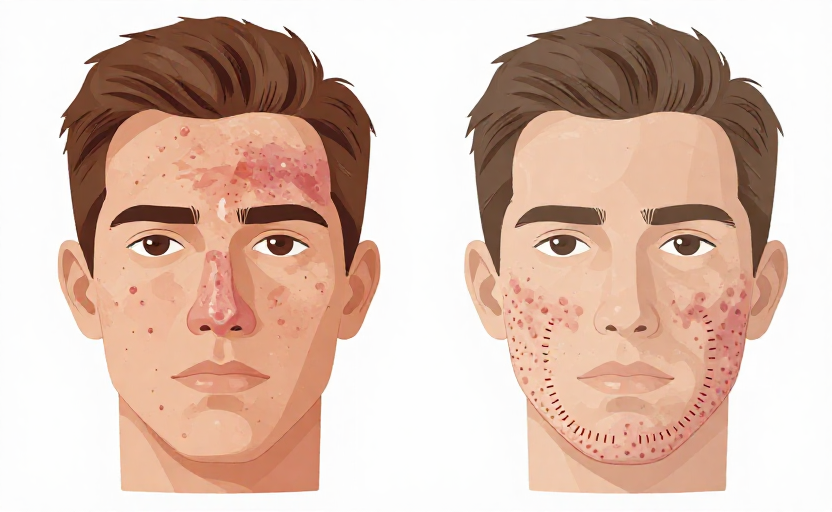
Before we get to the specific warning signs, it helps to understand the general character of hormonal acne. It often feels deeper and more stubborn than surface-level blackheads. The lesions are frequently inflammatory, meaning they involve redness and swelling. You’re more likely to encounter painful, tender bumps beneath the skin (papules) or pus-filled pimples (pustules) that are slow to come to a head. Cystic acne—those deep, painful, fluid-filled lumps that rarely surface—is also a hallmark of significant hormonal fluctuation.
This type of acne doesn't just pop up anywhere. It has a preferred geography on your face, which leads us to the first major warning sign.
Warning Sign 1: A Consistent Pattern Along the Jawline, Chin, and Lower Cheeks
This is perhaps the most telling clue. While stress-related breakouts might scatter across the forehead, hairline, or nose, hormonal acne consistently targets the lower third of the face. Think of a U-shape from ear to ear, encompassing the jawline, chin, and the area just beside the mouth and along the lower cheeks.
Dermatologists often call this the “hormonal mask.” The reason is rooted in biology. The oil glands in this region are particularly sensitive to androgens, like testosterone. When hormone levels shift—whether monthly, during perimenopause, or due to other conditions—these glands receive signals to produce more sebum. This excess oil mixes with dead skin cells, clogging pores and creating an environment where acne-causing bacteria can thrive.
If your breakouts form a stubborn, recurring U-shape along your jaw and chin, your hormones are likely the primary architect.
It’s the consistency and location that matter. A single pimple on your chin isn’t a definitive diagnosis. But a monthly, recurring crop of deep, painful bumps in this specific zone is a strong indicator that internal hormonal shifts are the main driver, not just external dirt or a random bad skincare day.
Warning Sign 2: Breakouts That Flare in Sync With Your Menstrual Cycle
The second major sign is all about timing. Hormonal acne operates on a calendar, often a monthly one. If you menstruate, pay close attention to when your skin flares.
The classic pattern unfolds like this: Your skin may be relatively clear during the first two weeks of your cycle (the follicular phase). Then, in the week leading up to your period (the luteal phase), you notice an increase in oiliness and the emergence of those deep, tender bumps, particularly in the jawline area. These breakouts often peak right before or during the first few days of menstruation, then slowly begin to calm down as your cycle starts anew.
This pattern is tied to the natural hormonal rollercoaster of the menstrual cycle. After ovulation, progesterone levels rise, which can stimulate oil production. At the same time, estrogen levels drop, and the relative influence of androgens becomes more pronounced. This one-two punch creates the perfect storm for clogged pores and inflammation.
Tracking your skin alongside your cycle for two to three months can reveal this connection. If your worst breakouts are a predictable, premenstrual event, it points strongly toward a hormonal cause.
How is this different from stress acne?
It’s possible to experience both, of course, as stress itself can influence hormone levels. However, pure stress-induced acne often has a different presentation. It tends to be more scattered and can appear as a sudden flare of red, inflamed pimples in areas you don't typically break out. Stress triggers the release of cortisol, which can also increase oil production and inflammation, but it doesn’t usually follow the precise, cyclical map that hormonal acne does. Stress breakouts may subside once the stressful period passes, whereas hormonal acne will often return like clockwork each month.
What can you do about hormonal acne?
Recognizing the signs is empowering because it directs you toward more effective solutions. Since the root cause is internal, topical treatments alone (like benzoyl peroxide or salicylic acid washes) often aren’t enough to fully control it, though they can help manage bacteria and exfoliation.
This is where partnering with a dermatologist or healthcare provider becomes essential. They can confirm the diagnosis and discuss management strategies that address the hormonal component. These may include:
- Prescription Topicals: Retinoids (like tretinoin or adapalene) are cornerstone treatments that help normalize skin cell turnover and prevent clogged pores.
- Oral Medications: For some, oral contraceptives (birth control pills) that contain both estrogen and progestin can help regulate the hormones driving breakouts. Another option is spironolactone, a medication that blocks the effects of androgens on the oil glands.
- Lifestyle Foundations: While not a cure, supporting your body’s balance is key. Consistent sleep, stress management techniques, and a balanced diet low in high-glycemic foods can help moderate the inflammatory and hormonal responses that worsen acne.
Understanding that your acne has a specific, identifiable pattern is the first move away from frustration and toward clarity. By noticing the map on your skin and the calendar in your cycle, you gain the insight needed to seek the right kind of help and finally address the issue at its source.