When a breakout appears, the first suspect is usually a clogged pore. It’s a logical conclusion—excess oil and dead skin cells create a plug, bacteria move in, and inflammation follows. For many, this is the entire story. But for others, this familiar script doesn’t explain the persistent, painful, or peculiarly patterned flare-ups that seem to operate by their own rules. These cases often point to underlying processes where the pore is merely the final battleground, not the sole origin of the war.
Recognizing when your acne is waving a red flag for something more systemic isn't about self-diagnosis, but about cultivating a more informed partnership with your skin and your healthcare provider. It shifts the conversation from simply 'unclogging' to understanding what might be fueling the congestion in the first place.
Pattern One: Deep, Painful Cysts That Follow a Hormonal Map
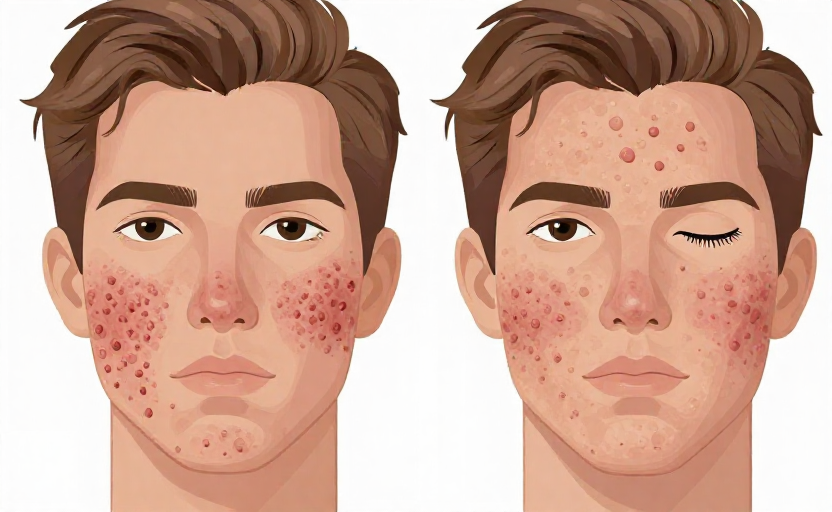
This isn't the scattered landscape of blackheads and surface-level whiteheads. The hallmark here is deep, tender, often under-the-skin nodules and cysts—lesions that lack a visible 'head' and can linger for weeks. They feel more like a deep ache than a superficial blemish. Crucially, their appearance isn't random; it maps predictably onto your hormonal cycle and specific areas of your face and jawline.
You might notice a relentless congregation along your lower cheeks, jawline, chin, and neck—the so-called 'beard distribution' in all genders. For women and people with menstrual cycles, flare-ups often arrive like clockwork in the week or two before your period begins, then may subside slightly only to return the following month. This pattern suggests that androgens (hormones like testosterone) are playing a leading role. These hormones can stimulate oil glands to produce more sebum and also alter the skin's lining process, making pores more prone to clogging from within.
When acne is deeply tied to your cycle or appears persistently along the jaw, it's often a sign that internal hormonal shifts are the primary driver, not just surface-level pore blockages.
This hormonal influence explains why typical over-the-counter treatments targeting bacteria or exfoliation might offer limited relief. They’re addressing the downstream effects but not the upstream signal. It’s also why this pattern is common during puberty, with certain hormonal birth control methods, during perimenopause, or with conditions like polycystic ovary syndrome (PCOS), where androgen levels can be higher.
What This Pattern Is Telling You
Your skin is reacting to an internal rhythm. The consistent location and timing are clues that the problem is less about what you're putting on your skin and more about what's happening within your body. It underscores the importance of a holistic view. A dermatologist might look at this pattern and discuss options that address hormonal activity, which could include specific types of oral contraceptives, anti-androgen medications, or lifestyle approaches that support hormonal balance, alongside targeted topical care.
Pattern Two: Widespread Inflammation and Sudden Onset in Adulthood
The second key pattern breaks the 'teenage acne' stereotype entirely. This involves a sudden, often dramatic onset of inflammatory acne in adulthood—sometimes in your 20s, 30s, or beyond, in individuals who may have had clear skin or only mild breakouts as teens. The inflammation is pronounced: red, angry papules and pustules that cover a larger territory, frequently including areas like the cheeks, forehead, and even the chest and back.
Unlike the deep, solitary cysts of hormonal acne, this can appear as a widespread 'rash' of inflamed bumps. What's significant here is the element of systemic inflammation. The skin is acting as a visible indicator that the body's inflammatory response is in a heightened state. This can be triggered or worsened by a variety of internal factors.
- Dietary Triggers: For some, high-glycemic foods (like sugary snacks, white bread, and processed cereals) and certain dairy products can spike insulin and insulin-like growth factors, which may increase inflammation and oil production.
- Chronic Stress: Elevated stress hormones, particularly cortisol, can directly increase oil production and amplify inflammatory pathways throughout the body, with the skin often bearing the brunt.
- Gut-Skin Axis Disruption: Emerging research points to a link between gut health and skin inflammation. An imbalance in gut bacteria or increased intestinal permeability may contribute to systemic inflammation that manifests as acne.
- Underlying Medical Conditions: In some cases, sudden severe acne can be associated with other signs of hormonal imbalance or metabolic conditions.
What This Pattern Is Telling You
Your skin is signaling a body-wide state of alert. The widespread, inflammatory nature suggests that calming the skin's surface alone will be an uphill battle if the internal drivers of inflammation aren't also addressed. Management often involves a dual approach: using anti-inflammatory topical agents (like prescription retinoids or azelaic acid) while investigating potential lifestyle or dietary contributors. It’s about identifying and moderating triggers, not just treating spots.
Seeing these patterns doesn't mean you must navigate them alone. It means you have valuable observations to bring to a dermatologist. Describing the type (deep cysts vs. widespread inflammation), location, and timing of your breakouts provides critical data that can guide a more effective, personalized treatment plan. That plan may move beyond standard pore-clearing routines to include strategies for managing hormones, reducing systemic inflammation, or adjusting lifestyle factors. Your skin's unique behavior is its language; learning to interpret its patterns is the first step toward a more effective and compassionate response.