
It can be genuinely confusing when you look in the mirror and see fine lines, flaky patches, or a loss of that youthful bounce. Your first thought might be that your skin is simply getting older, or perhaps it is just dry from the weather or your current routine. The truth is that aging skin and dry skin damage can look strikingly similar, but they are driven by different processes and, importantly, they respond to different strategies. Understanding the distinction is the first step toward giving your skin exactly what it needs.
While general dryness is a surface-level condition related to a lack of water or oil, aging involves deeper structural changes in the skin. The good news is that there are a couple of key symptoms that can help you tell them apart. Once you know what to look for, you can adjust your approach and avoid wasting time on products that don't address the real issue.
Symptom Clue #1: Fine Lines vs. Deep Wrinkles and Loss of Elasticity
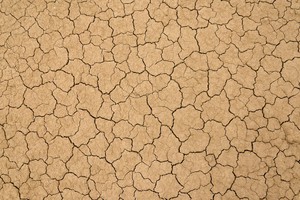
One of the most telling differences lies in the nature of the lines themselves. Dry skin tends to create a network of very fine, shallow lines. These are often most noticeable on the cheeks, around the mouth, and on the forehead after you wash your face. They tend to disappear once you apply a good moisturizer. Think of them like tiny cracks in dry earth that smooth over with a little rain. This is a sign that the skin barrier is temporarily compromised and needs hydration and nourishment to bounce back.
In contrast, aging-related changes go much deeper. True aging lines develop into more pronounced furrows and wrinkles that do not simply vanish after you apply a cream. They are a result of the breakdown of collagen and elastin fibers beneath the skin's surface. You will also notice a loss of firmness—the skin on your cheeks or jawline may start to sag or feel less springy to the touch. If you pinch the skin on the back of your hand, youthful skin snaps back quickly, whereas aging skin takes a moment to flatten out. This lack of elasticity is a primary hallmark of chronological or photo-aging, not simple surface dryness.
Symptom Clue #2: The Texture and Feeling of the Skin
Pay attention to how your skin feels to the touch. Dry skin damage often presents with a rough, sandpaper-like texture and may appear dull or ashy, particularly on the cheeks and lower face. It can feel tight and uncomfortable, especially after cleansing or when you are in a dry environment. You might see visible flaking or small, dry patches that feel scaly. This is almost always improved by adding more hydration and using a gentle, barrier-supporting routine.
Aging skin, on the other hand, is characterized by a different kind of change. The skin may feel thinner and more fragile. You might notice that a crepe-like texture develops on the eyelids, under the eyes, or on the neck and décolletage. Rather than feeling rough due to surface flakes, the skin itself starts to lose its plumpness and density. Deeper creases, sometimes called character lines, run in predictable patterns (like smile lines or crow’s feet) and become more noticeable over time. The skin can also feel looser, as the underlying support structure weakens.
A handy mental check: if your skin improves significantly with a few days of dedicated moisturizing and gentle care, it was likely dryness. If the lines remain and you feel a loss of bounce, you are probably dealing with the natural aging process.
What This Means for Your Routine
Distinguishing between these two conditions is not just about satisfying your curiosity—it is about directing your efforts where they will actually work. If the problem is primarily dry skin damage, your strategy should center on replenishment and protection. This means using a gentle, non-stripping cleanser, incorporating hydrating ingredients like hyaluronic acid and glycerin, and sealing it all in with a rich moisturizer that supports the skin barrier. The goal is to restore moisture and prevent water loss.
If the primary issue is aging, your focus shifts to stimulation and support. While hydration still matters, you need ingredients that signal the skin to produce more collagen and elastin. This includes proven compounds like retinoids (which speed up cell turnover), vitamin C (an antioxidant that protects and helps build collagen), and peptides (which support the skin's structural proteins). Sunscreen is non-negotiable in either case, but it is particularly critical for preventing further aging damage caused by UV rays.
The Bottom Line on Dryness vs. Aging
It is very common to have both conditions at the same time—a phenomenon sometimes called “aging dry skin.” In that case, your best approach is a layered one. Start by fixing the dryness and repairing the barrier with a gentle, hydrating routine. Once your skin feels comfortable, plump, and less reactive, you can slowly introduce anti-aging ingredients to work on the deeper structural changes. Patience is key. Your skin can handle only so many active ingredients at once, so it is wise to build your routine step by step. When you understand the clues your skin is giving you, you can choose products that truly help—rather than just very expensive moisturizers that cannot reach the deeper layers of the problem.