
After a breakout clears, you expect your skin to return to normal. But sometimes a dark spot lingers, and you're left wondering: is this a post-acne mark, or is it something else entirely? The answer matters because treatment depends on the root cause. Two skin conditions that often get confused are post-inflammatory hyperpigmentation (PIH) — the common post-acne mark — and melasma. While they can look similar at first glance, they have distinct traits that set them apart.
Melasma typically appears as symmetrical, brown or blue-gray patches on the cheeks, forehead, nose, or upper lip. It is often triggered by hormonal shifts — pregnancy, birth control, or thyroid issues — and can be stubborn once established. Post-acne marks, on the other hand, tend to be smaller, more scattered, and directly follow a pimple or injury. Below are two subtle symptoms that help tell them apart so you can choose the right skincare approach.
Symptom 1: Symmetry and placement
One of the hallmark differences is location and pattern. Melasma almost always occurs symmetrically — the same spot on both cheeks, both sides of the forehead, or across the nose in a butterfly pattern. It rarely appears as one isolated dot. Post-inflammatory hyperpigmentation from acne, however, is asymmetrical and spot-specific. You will see a dark mark exactly where a pimple once sat, and it often appears alongside other healed breakouts, not in a mirror-image pattern.
Symptom 2: Response to sun exposure
Melasma is notoriously sensitive to UV light. Even brief, incidental sun exposure can darken melasma patches within hours. Patients often report that their spots get noticeably darker in summer or after time outdoors, even with sunscreen. Post-acne marks darken with sun too, but the change tends to be slower and less dramatic. If you notice that a patch deepens in color after minimal sun, that points more toward melasma. Additionally, melasma often worsens with heat — hot yoga, saunas, or even a hot kitchen — while PIH is less reactive to heat alone.
Why the distinction matters for treatment
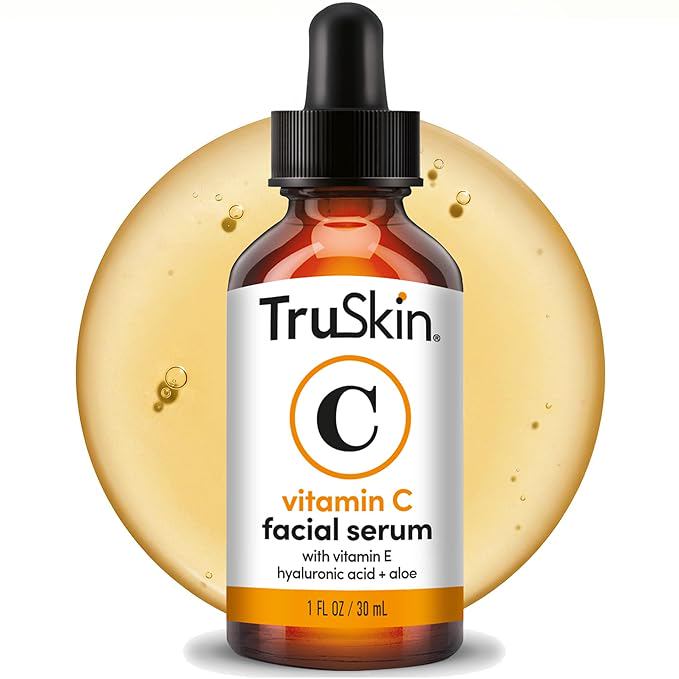
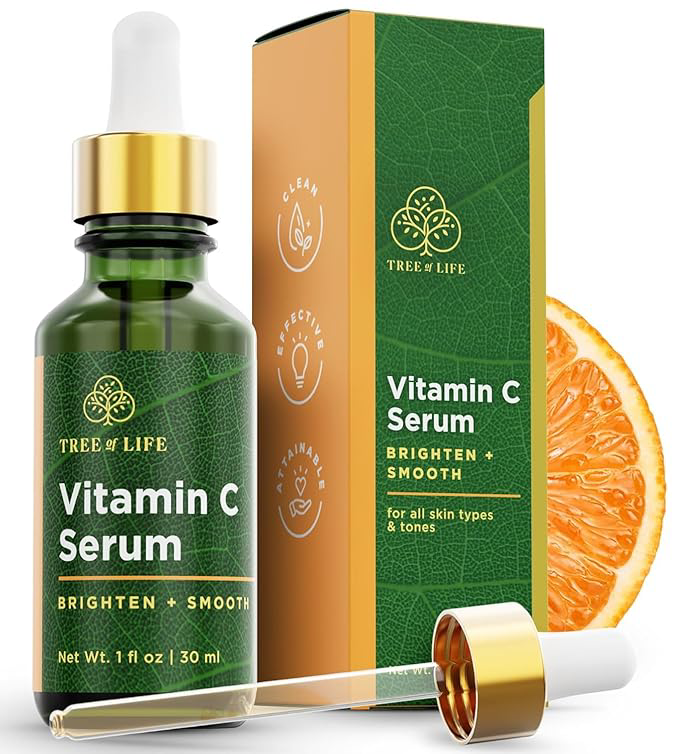
Treating melasma requires a different strategy than treating post-acne marks. Melasma involves overactive melanocytes that are easily triggered by hormones, UV, and heat. It often needs a combination of strict sun protection, pigment-regulating ingredients like tranexamic acid, kojic acid, azelaic acid, or vitamin C, and sometimes in-office procedures. Many standard acne-spot treatments — like retinoids or strong exfoliating acids — can actually irritate melasma and make it worse if not used carefully.
“If you’re not sure what you’re dealing with, start by observing your spots for symmetry and sun-reactivity before reaching for any treatment.”
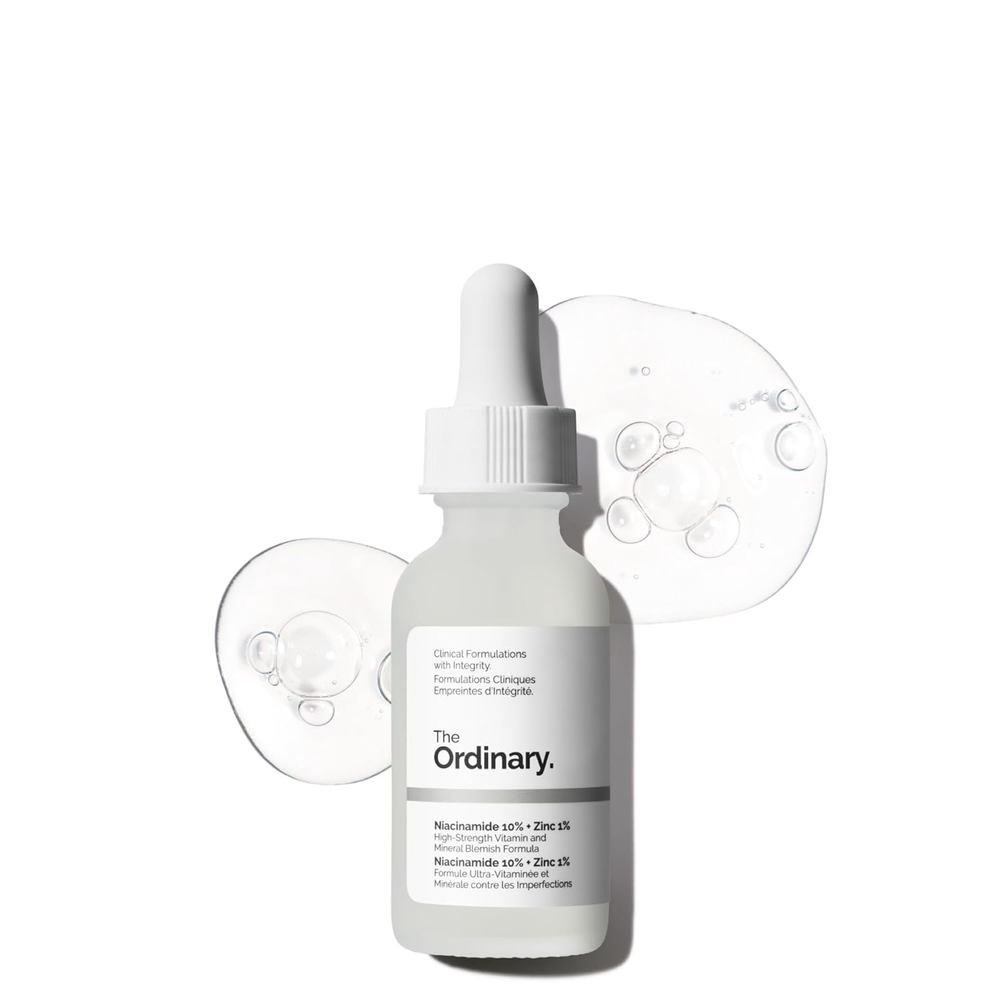
For post-acne hyperpigmentation, gentle exfoliation with AHAs, niacinamide, and vitamin C, combined with daily sunscreen, is usually enough to fade marks over several weeks. Because PIH is inflammation-driven, calming the skin and preventing new breakouts is just as important as lightening existing spots.
When to see a dermatologist
A board-certified dermatologist can confirm the diagnosis using a Wood’s lamp exam, which reveals how deep the pigment sits. Epidermal melasma (surface-level) responds better to topical treatments, while dermal melasma (deeper) may lighten but not fully disappear. Post-acne marks are almost always epidermal and more responsive to treatment. If over-the-counter products don’t show improvement after 8–12 weeks of consistent use, a professional evaluation is a smart next step.