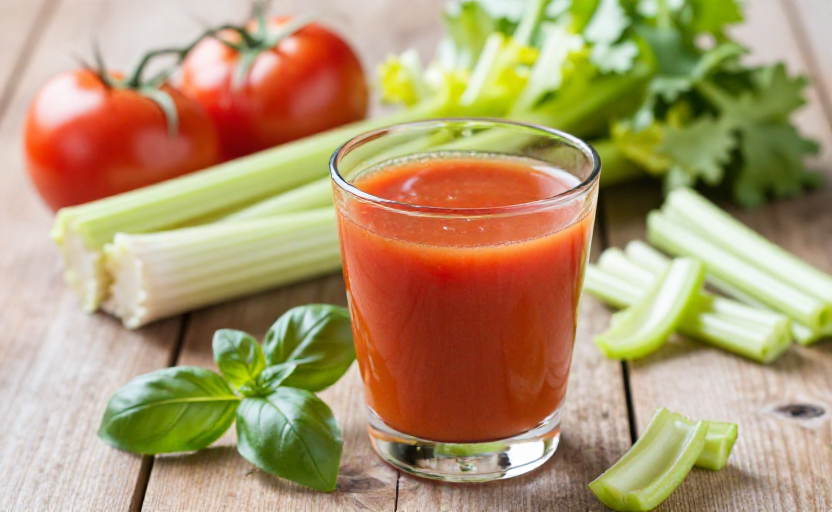
Plant-based smoothies and blended juices are a quick way to pack in fruits and vegetables, especially if you struggle to eat enough salads. But there's a common pitfall: a drink that looks healthy on paper can leave you feeling sluggish, hungry, or low on energy an hour later. The recipe popularized by Shilpa Shetty Kundra—a simple tomato-celery blend—highlights exactly what a balanced vegetable juice should offer. However, if your own morning smoothie is falling short, there are usually two clear signs that something is off.
Sign #1: Your smoothie is mostly fruit and lacks protein or healthy fat
A smoothie packed with mango, banana, and apple juice might taste delicious, but without protein or fat, that sugar rush will fade fast. When you blend only fruits or vegetables with water, you miss the staying power that keeps your blood sugar steady. Energy that spikes and then crashes is the opposite of what you want from a meal or a substantial snack.
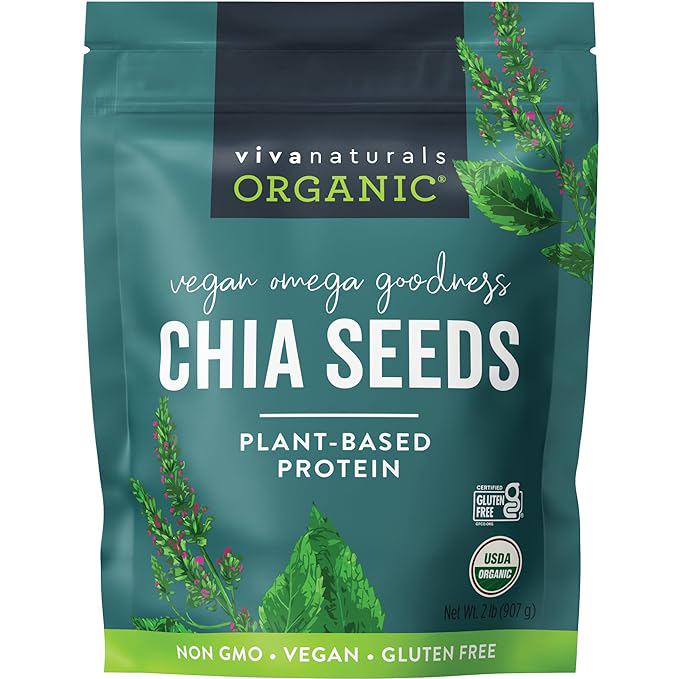
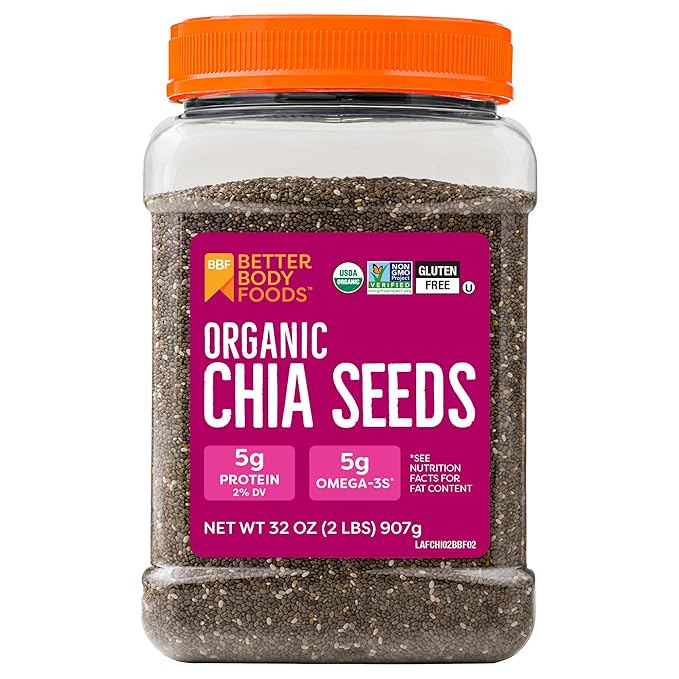
The tomato-celery juice from Shilpa Shetty sidesteps this by relying on low-sugar vegetables and a pinch of pink salt for electrolytes. A well-balanced plant-based smoothie should include a source of protein—such as hemp seeds, a scoop of pea protein, or Greek yogurt (if you eat dairy)—and a small amount of healthy fat like chia seeds, flaxseeds, or a quarter of an avocado. Without these, you’re essentially drinking sugar water, even if it’s natural sugar.
Quick tip: If your smoothie leaves you hungry within 90 minutes, it likely needs protein or fat.
Sign #2: You feel bloated or sluggish after drinking it
Feeling heavy or bloated after a smoothie is a red flag. Sometimes the issue is too much fiber without enough liquid to help it move through your system, or an imbalance of ingredients that don't digest well together. The tomato-celery recipe is light on the stomach because celery is hydrating and tomatoes are low in calories but rich in water and antioxidants like lycopene.
On the other hand, a smoothie loaded with raw kale, thick nut butters, and several types of fruit can create a dense mixture that's hard to digest. Listen to your body: a balanced smoothie should feel refreshing, not heavy. If you experience bloating, consider reducing the fiber load or adding a digestive aid like fresh ginger or a squeeze of lime.
What a balanced plant-based smoothie looks like
Using the tomato-celery juice as a template, a solid plant-based smoothie has three components:
- A base of vegetables or low-sugar fruits (tomatoes, celery, cucumber, spinach, or berries)
- A liquid that adds hydration (water, coconut water, or unsweetened almond milk)
- A small addition of protein or fat (hemp hearts, a tablespoon of almond butter, or a few soaked cashews)
Shilpa Shetty’s version uses pink salt for minerals and basil for flavor, but the principle is the same: keep it simple, keep it vegetable-forward, and avoid relying on fruit juice or honey as the main sweetener.
Why energy balance matters for your morning routine
Starting your day with a smoothie that has no protein or fat is like trying to drive a car with only a splash of gas. You might feel fine for 30 minutes, but then your energy dips, your focus wavers, and you start craving sugar. The goal of a plant-based smoothie should be sustained energy, not a temporary buzz. The tomato-celery juice works because it's essentially a nutrient-dense, low-sugar vegetable broth that hydrates and provides vitamins without overloading your system.
If you notice either of the two signs—post-smoothie hunger or a feeling of bloat and lethargy—it's worth rethinking your recipe. Swap one banana for a handful of spinach, add a tablespoon of seeds, and watch how your energy changes. A smoothie should fuel you, not drain you.