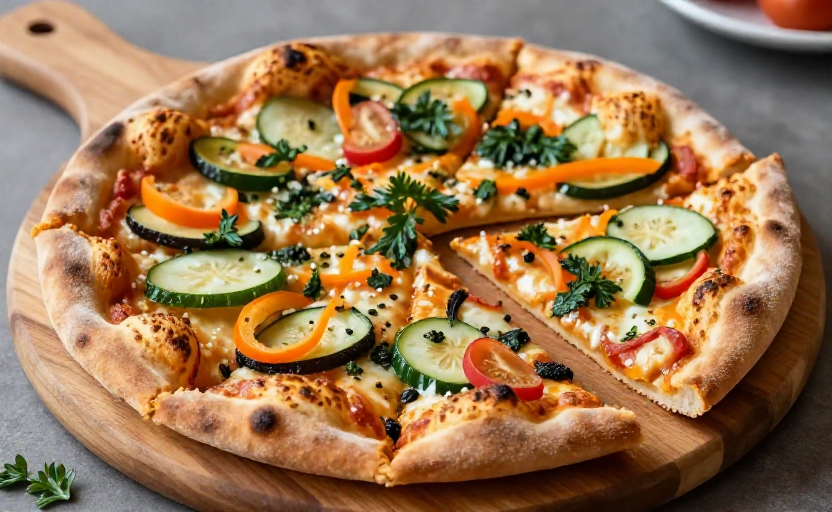
You've pulled a gluten-free pizza crust from the oven. It looks browned and crisp on the edges. But when you take a bite, something is off. The crust tastes flat, or perhaps a bit gummy—not quite the satisfying base you were hoping for. If this sounds familiar, you might be overlooking a simple seasonal ingredient that makes all the difference.
Many store-bought or hastily made gluten-free pizza crusts miss the mark not because of technique, but because they lack a bright, seasonal note. We're talking about a flavor that lifts the entire pizza: a subtle sweetness, a gentle warmth, or a herbal hint that ties toppings to the dough. Here are two clear signs your gluten-free crust is missing that key seasonal flavor—and what to do about it.
Sign 1: The Crust Tastes One-Dimensional or Starchy
Gluten-free flours—rice flour, tapioca starch, potato starch—can sometimes leave the palate with a flat, starchy taste. If your crust reminds you of plain cardboard or flour paste, that's a red flag. A well-balanced seasonal crust should have a subtle depth: a touch of sweetness, a hint of nuttiness, or a whisper of spice that complements the season.
During autumn and winter, a gluten-free crust can benefit from a pinch of pumpkin pie spice, cinnamon, or even a small amount of roasted squash puree. In spring or summer, fresh or dried herbs like rosemary, thyme, or basil can lift the dough. If you taste only starch and no underlying note, you are likely missing a seasonal flavor boost.
How to fix it
Try incorporating a small amount of seasonal puree (pumpkin, sweet potato, or even beet for winter) into the dough. For a drier season like summer, infuse the crust liquid—such as warm water or oil—with a bundle of fresh herbs. Let it steep for five minutes before mixing. This simple step can transform a bland crust into one that whispers of the season.
Sign 2: The Crust Doesn't Pair Well With Your Toppings
The second sign is a mismatch. You've piled on seasonal vegetables, cheese, or sauce, but the crust fights them rather than harmonizes. Perhaps the crust is too gummy, too dry, or has a flavor that clashes. For example, a heavy, bean-flour crust can overpower delicate spring vegetables. Or an overly sweet crust can conflict with salty, savory winter meats or cheeses.
A great seasonal crust should act as a neutral but slightly flavorful canvas. It should have a characteristic that mirrors the season: earthy in fall, light and herby in spring, robust and warming in winter. If your crust feels like a separate entity from your toppings, it is missing that unifying seasonal note.
How to fix it
Read your topping list. If you are using mushrooms and sage, consider adding a touch of sage or rosemary to the dough. For a summer pizza with tomatoes and basil, mix a bit of dried oregano or a spoonful of sun-dried tomato paste into the crust. The goal is to create a bridge between dough and toppings—a seasoning that belongs to the season.
Simple Seasonal Add-Ins for Your Gluten-Free Pizza Dough
To avoid both signs, try these subtle but effective additions tailored to the current season. Start small—a teaspoon or two—since gluten-free dough is sensitive to moisture and texture changes.
- Spring/Summer: Chopped fresh basil, lemon zest, toasted pine nuts, or a drizzle of garlic-infused olive oil.
- Autumn: Pumpkin puree, a pinch of cinnamon or allspice, or finely chopped fresh rosemary.
- Winter: Porcini mushroom powder, a dash of smoked paprika, or a spoonful of caramelized onion paste.
Tip: Always adjust your liquid ratio when adding wet ingredients like puree. Reduce the water or milk by the same volume to keep the dough workable.
Final Thoughts
Don't let your gluten-free pizza crust be an afterthought. A small seasonal adjustment can turn it from a bland vehicle into a flavorful foundation. Listen to the two signs: if it tastes starchy or fights your toppings, you are missing that key seasonal ingredient. Experiment with a pinch of spice or a puree, and you'll soon have a crust that tastes of the moment—not just of flour and water.
Your pizza will thank you, and so will your taste buds.