You’ve followed the recipe, chopped the ingredients, and waited patiently as everything simmers together in your trusty skillet or sheet pan. But when you take that first bite, something’s off. The meal is edible, sure, but it’s missing the vibrant, layered flavor you were hoping for. It’s a common kitchen hiccup, and it usually boils down to two simple, fixable issues.
Understanding these signs can transform your one-pan cooking from monotonous to memorable, without adding complexity.
Sign 1: Your dish tastes flat or one-note
This is the most common complaint. You taste salt, maybe a hint of garlic or onion, but the flavor doesn’t sing. It just sits there. This flatness often happens when we rely solely on salt during cooking and forget about the other elements that build a complete flavor profile.
A truly balanced dish engages more than just your salt receptors—it has depth, brightness, and sometimes a pleasant counterpoint of bitterness or heat.
How to fix it: Think of flavor in layers. Salt is essential, but it’s just the foundation. To build upward, you need acidity and aroma.
- Add a splash of acidity. A squeeze of fresh lemon or lime juice, a drizzle of vinegar (balsamic, apple cider, or red wine), or a spoonful of chopped tomatoes or capers can cut through richness and make other flavors pop. Add this at the end of cooking to preserve its bright, fresh character.
- Wake up aromatic foundations. If you start your pan with onions and garlic, make sure they are cooked properly. Sauté them gently until they are fragrant and translucent, not just warmed. Consider toasting dried spices like cumin, coriander, or paprika in the oil for 30 seconds before adding other ingredients—this unlocks their essential oils and deepens their flavor dramatically.
- Finish with fresh herbs. Stirring in a handful of chopped parsley, cilantro, basil, or dill just before serving adds a layer of fresh, green aroma that cooked ingredients can’t provide.
Sign 2: The ingredients taste steamed, not caramelized
One-pan meals are celebrated for convenience, but that convenience can backfire if everything is simply piled in and left to steam in its own juices. Vegetables like onions, peppers, mushrooms, and carrots release water as they cook. If the pan is too crowded, that moisture has nowhere to go, resulting in boiled, soggy ingredients that lack the sweet, concentrated flavor of caramelization.
How to fix it: It’s all about managing moisture and heat to encourage browning, which is the source of deep, complex flavors.
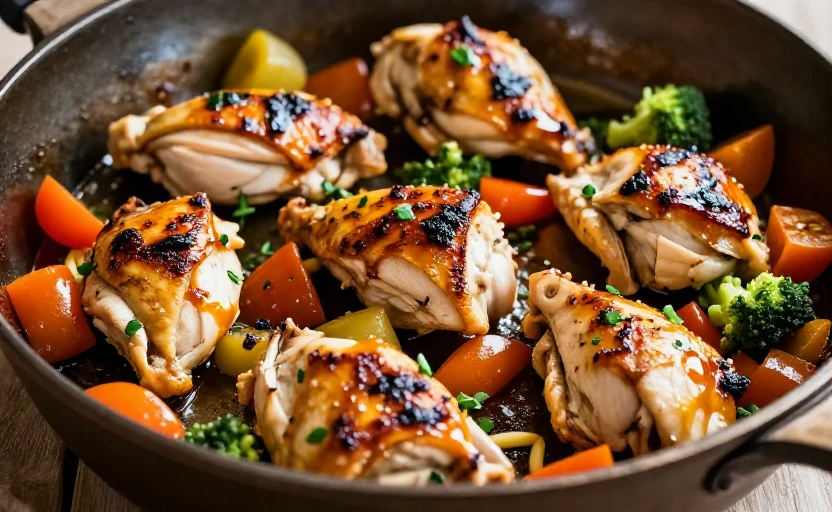
- Don’t crowd the pan. This is the golden rule. If you’re cooking for a crowd, cook in batches. Give each piece of vegetable or protein enough space so it touches the hot surface of the pan. A single, uncrowded layer is ideal for browning.
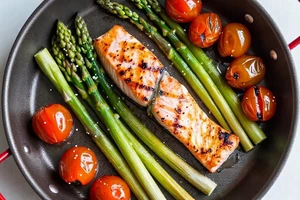
- Pat your proteins dry. Before adding chicken, tofu, or fish to the pan, use a paper towel to blot the surface completely dry. A wet surface creates steam, which prevents that desirable golden-brown crust from forming.
- Let it be. Resist the urge to constantly stir. Once you’ve added ingredients to a hot pan, let them sit undisturbed for a few minutes to develop a sear. You’ll know it’s time to flip or stir when they release easily from the pan.
Bringing it all together: A simple flavor-check routine
To prevent flavor loss before it happens, adopt this quick mental checklist as your one-pan meal finishes cooking.
Taste, then adjust. Always taste your food before serving. Ask yourself: Is it seasoned enough? Does it need brightness? If it tastes flat, add a pinch more salt and a squeeze of lemon. If it’s too acidic, a tiny drizzle of honey or maple syrup can balance it. If it’s bland but already salty, you likely need an aromatic boost—a sprinkle of fresh herbs, a crack of black pepper, or a pinch of red pepper flakes.
Consider texture. Flavor isn’t just about taste buds; mouthfeel matters. A final garnish of something crunchy—like toasted nuts, seeds, or crispy breadcrumbs—can provide a delightful contrast to softer cooked ingredients and make the whole dish feel more considered.
The beauty of one-pan cooking is its simplicity. By paying attention to these two common pitfalls—flat flavor and lack of browning—you can elevate your everyday meals with minimal extra effort. It’s not about more ingredients, but about using technique to get the most out of the ones you already have.