
You’ve swapped the sandwich for a salad, traded the wrap for a bowl of grilled chicken and broccoli. You’re committed to your low-carb plan, expecting steady energy and focus. Yet, by 3 p.m., a familiar fog rolls in. Your concentration scatters, your eyelids feel heavy, and the siren call of the office snack drawer grows louder. If this sounds familiar, your well-intentioned lunch might be the quiet culprit behind your afternoon slump.
The connection between what you eat at midday and how you feel a few hours later is profound, yet often overlooked. A low-carb lunch, while excellent for certain health goals, can sometimes be nutritionally incomplete in ways that directly impact your energy metabolism. The slump isn't a sign of failure; it's valuable feedback from your body. Learning to interpret these signals can help you refine your approach, building lunches that truly sustain you.
Why does a low-carb lunch sometimes lead to a crash?
Carbohydrates are your body's primary and most efficient source of immediate energy. When you significantly reduce them, your body must pivot to other fuel sources, primarily fat. This metabolic shift is the goal of many low-carb diets and can be effective. However, the transition isn't always seamless, especially if the rest of your meal's composition is off-balance.
Think of it like changing the fuel in your car's engine mid-drive. If the new fuel line (your alternative energy pathways) isn't primed and ready, you'll sputter. In your body, this "sputtering" can feel like fatigue, brain fog, and irritability. Two specific signs often point directly to your lunch plate as the source of this energy dip.
Sign 1: You're running on empty—literally
The first sign is a hollow, gnawing hunger that appears well before dinner, often accompanied by lightheadedness or shakiness. This isn't just boredom eating; it's a physiological signal that your blood sugar has dropped too low.
While low-carb meals avoid the sharp blood sugar spikes of refined grains and sugars, they can sometimes cause an overcorrection. If your lunch is extremely low in all carbohydrates—even the fibrous, complex kinds from non-starchy vegetables—your body may not have enough glucose in circulation for basic brain and nervous system function. The brain is a glucose-hungry organ.
Furthermore, if the meal is also too low in overall calories or healthy fats, you've removed both the immediate fuel (carbs) and the long-burning fuel (fat). Protein alone, while satiating, isn't a primary energy source. The result? Your body sends out urgent hunger signals far too soon.
A lunch that leaves you ravenous and shaky within two hours is likely missing either adequate volume, sufficient healthy fats, or a modest amount of high-fiber carbohydrates.
Sign 2: Your mind is in a fog, not focused
The second clear sign is cognitive. You find yourself rereading the same email, struggling to concentrate on tasks, or feeling generally mentally dull. This "brain fog" is a classic symptom of suboptimal fuel delivery to the brain.
As mentioned, the brain prefers glucose. On a very low-carb diet, the liver can produce some glucose from protein (a process called gluconeogenesis), but this can be metabolically costly and may not keep pace with demand for everyone, especially when adapting. If your lunch provides insufficient material for this process—meaning it's low in both carbs and protein—your mental clarity can suffer.
This fog can also be exacerbated by dehydration. Many low-carb foods are not as hydrating as carb-rich fruits or certain whole grains. If you're not mindful of fluid intake alongside a dry lunch of, say, baked chicken and a small side of almonds, mild dehydration can compound feelings of fatigue and poor concentration.
What a sustaining low-carb lunch looks like
To avoid these pitfalls, aim for a balanced plate that supports sustained energy. The goal is not to add back refined carbs, but to build a more complete nutritional profile.
- Prioritize Volume with Non-Starchy Veggies: Fill half your plate or bowl with leafy greens, broccoli, cauliflower, bell peppers, zucchini, or asparagus. This adds bulk, fiber, and essential micronutrients without a significant carb load. Fiber slows digestion and promotes stable energy.
- Include a Quality Protein Source: Dedicate a quarter of your plate to protein like grilled chicken, salmon, tofu, eggs, or legumes. This supports satiety and provides amino acids for that gluconeogenesis backup system.
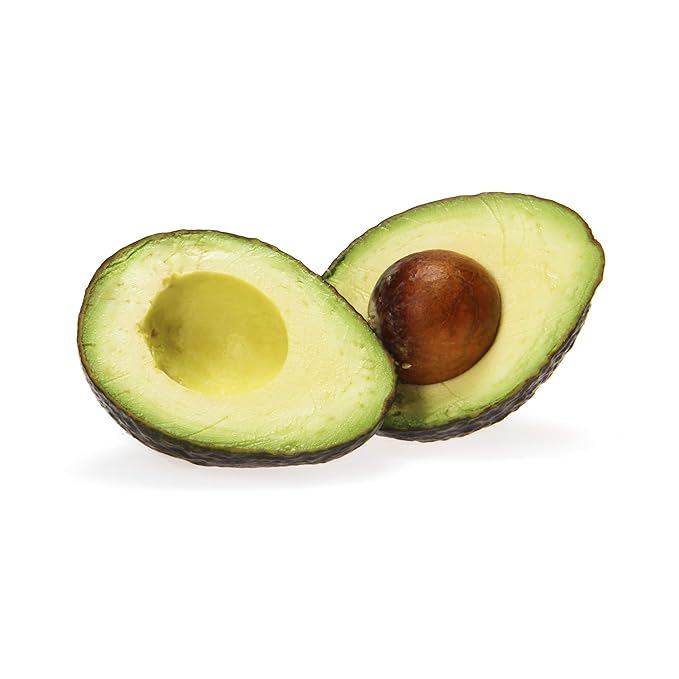
- Don't Fear Healthy Fats: Use the remaining space for a source of healthy fat—avocado, olives, a tablespoon of olive oil-based dressing, or a small handful of nuts. Fat is your slow-burning fuel that keeps you satisfied for hours.
- Consider a Small Serving of Complex Carbs: If you're very active or find yourself consistently slumping, adding a small portion (e.g., 1/3 cup) of high-fiber, complex carbs like quinoa, sweet potato, lentils, or berries can provide that steady glucose trickle without spiking blood sugar.
Listening to your body's afternoon signals is a powerful tool. That slump isn't a command to abandon low-carb eating; it's an invitation to refine it. By ensuring your lunch includes ample fiber, adequate protein, sufficient healthy fats, and plenty of hydration, you can create a meal that aligns with your goals while providing steady, clear energy from lunch until dinner. It’s about building a plate that fuels the life you want to live, hour by hour.