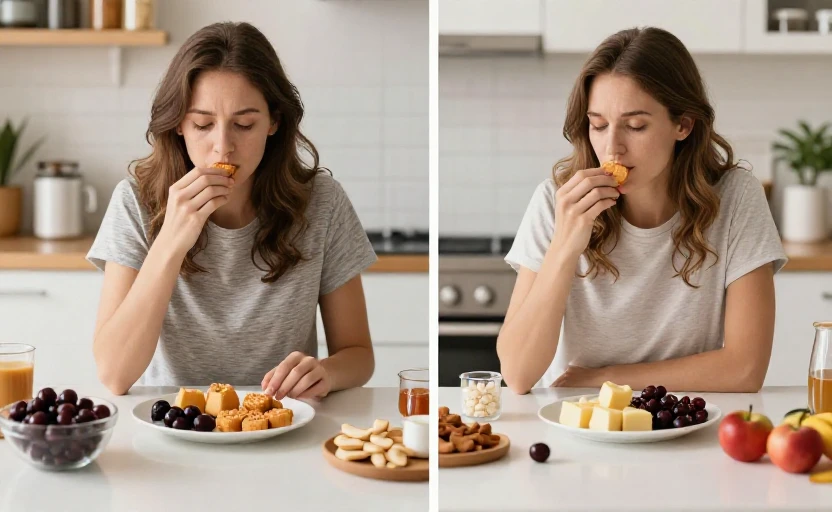
You reach for a protein bar or a handful of nuts, hoping it will tide you over until your next meal. The label boasts an impressive amount of protein, so it should work, right? Yet, an hour later, your stomach is rumbling again, and you're left wondering why you're still hungry. This common experience points to a simple truth: not all high-protein snacks are created equal when it comes to satiety.
Protein is a key nutrient for feeling full, but its effectiveness depends on more than just the grams listed on the package. The snack's overall composition and how your body processes it play crucial roles. If your go-to snack consistently leaves you searching for more, it might be missing a few critical elements. Recognizing the signs can help you choose or create snacks that truly satisfy.
What makes a snack genuinely filling?
A truly satisfying snack does more than just temporarily quiet hunger pangs. It creates a sustained feeling of fullness that stabilizes your energy and curbs the urge to graze. This effect, known as satiety, is influenced by a combination of factors beyond protein alone.
First, there's the physical bulk and fiber content. Foods with volume and fiber, like vegetables or whole grains, physically fill your stomach and slow digestion. Then, there's the fat content. Healthy fats take time to break down and trigger the release of satiety hormones. Finally, the protein itself needs to be of good quality and part of a balanced package. A snack that leans too heavily on protein isolates or powders, while neglecting these other components, often falls short.
Think of a filling snack as a trio: protein for muscle repair and hormonal signals, fiber for bulk and gut health, and healthy fats for slow-burning energy.
Sign 1: You're hungry again within an hour
The most obvious red flag is a rapid return of hunger. If your snack feels like a fleeting pause rather than a substantial bridge between meals, its composition is likely off-balance.
This often happens with snacks that are very low in fiber and fat. For example, a shake made primarily from protein powder and water might deliver 20 grams of protein, but it lacks the physical substance and fat to slow gastric emptying. Your body processes it quickly, leading to a sharp rise and subsequent fall in blood sugar and hunger hormones.
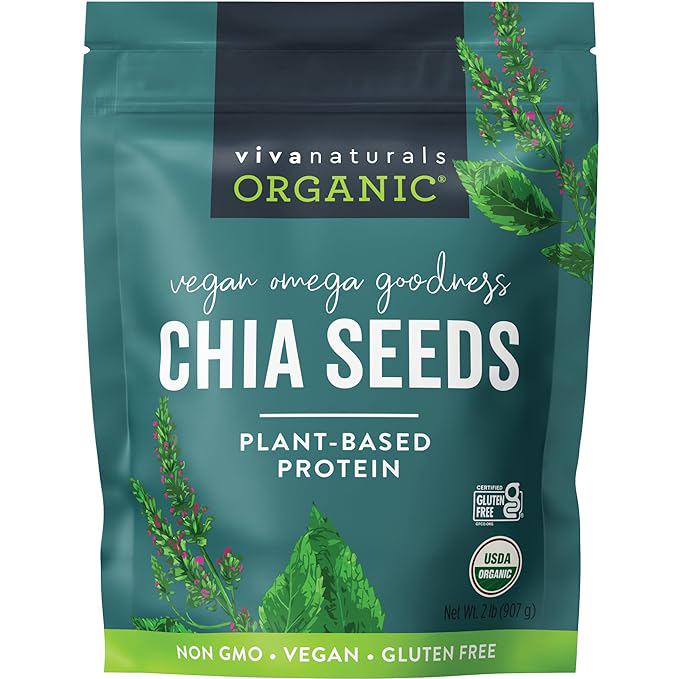
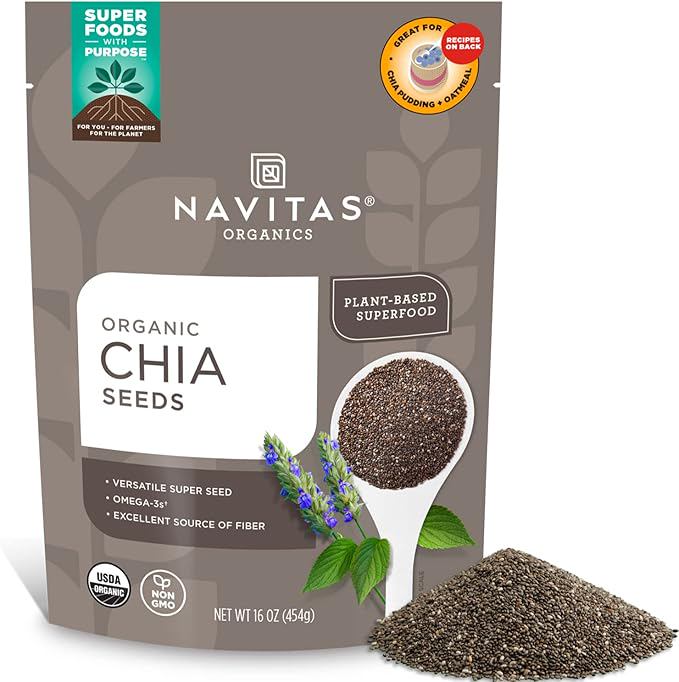
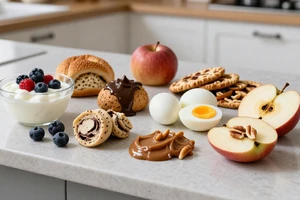
Compare that to a snack with similar protein from Greek yogurt topped with a handful of berries and a sprinkle of chia seeds. The yogurt provides protein and fat, the berries add fiber and volume, and the chia seeds contribute additional fiber and healthy fats. This combination digests more slowly, providing a steady stream of nutrients and a longer-lasting feeling of fullness.
What to look for instead
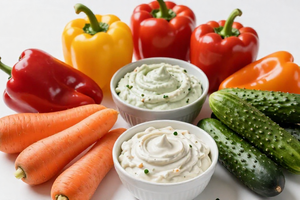
Prioritize whole-food sources of protein that naturally contain other nutrients. A hard-boiled egg, a small cup of cottage cheese, or a few slices of turkey breast offer complete protein alongside their own inherent fats. Then, consciously pair them with a fiber source—like apple slices, carrot sticks, or a few whole-grain crackers.
Sign 2: Your snack feels "hollow" or lacks substance
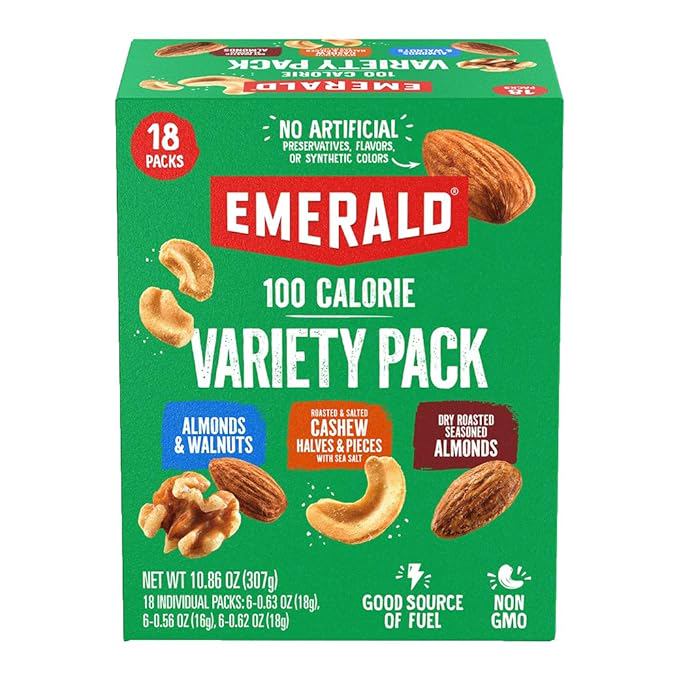
This sign is more about texture and eating experience than the clock. You finish the snack, but it doesn't feel like you've actually eaten anything. There's no chewing satisfaction, no sense of physical bulk in your stomach. This is common with liquid snacks, ultra-processed protein bars that dissolve quickly, or small, dense packets of jerky.
The act of chewing itself sends satiety signals to your brain. Foods that require little to no chewing bypass this important step. Furthermore, snacks that are extremely calorie-dense for their small physical size (like a tablespoon of nut butter alone) can leave you psychologically unsatisfied, even if they are nutrient-rich.
A snack should have some heft to it. It should require a few minutes to eat and leave you with a pleasant sense of having consumed something substantive.
What to look for instead
Choose snacks that require chewing and have a variety of textures. Think of a small salad with chickpeas, a container of edamame pods you have to shell, or an apple with a tablespoon of almond butter. The combination of crunch, creaminess, and the physical act of eating engages your senses and promotes greater meal satisfaction.
Building a better, more satisfying snack
Once you recognize these signs, you can proactively build snacks that work with your body's satiety signals. The goal is synergy—combining nutrients so they work together to keep you full longer.
A simple framework is to include at least two of the three satiety macronutrients (protein, fiber, healthy fat) in every snack. Here are a few balanced combinations:
- Fiber + Protein: Hummus with bell pepper strips or whole-grain toast.
- Protein + Fat: A piece of cheese with a few walnuts.
- All Three: A small bowl of plain Greek yogurt with berries (fiber) and a drizzle of olive oil or a few nuts (fat).
Also, pay attention to water content. Snacks with high water volume, like soups, cucumbers, or watermelon with feta, add physical fullness with minimal calories. Hydrating with a glass of water alongside your snack can also enhance the feeling of fullness.
Ultimately, listening to your body's response is your best guide. A truly filling high-protein snack should leave you feeling energized, focused, and comfortably satisfied for a couple of hours. If it doesn't, use these signs as clues to tweak your choices, focusing on whole-food combinations that nourish and sustain you.