You've thrown together a quick vegetarian dinner — maybe a pesto pizza or a creamy pasta — and it tastes great. But does it have enough protein to keep you satisfied and fueled? For many people eating plant-based or vegetarian, the question isn't whether the meal is delicious; it's whether it's balanced. An easy vegetarian dinner can sometimes fall short on protein, and there are two clear signs that your plate might be missing this key nutrient.
Let's look at what those signs are, why they matter, and how you can tweak your cooking habits so your weeknight vegetarian meals are both quick and nourishing.
Sign #1: Your meal is mostly refined carbs and fat
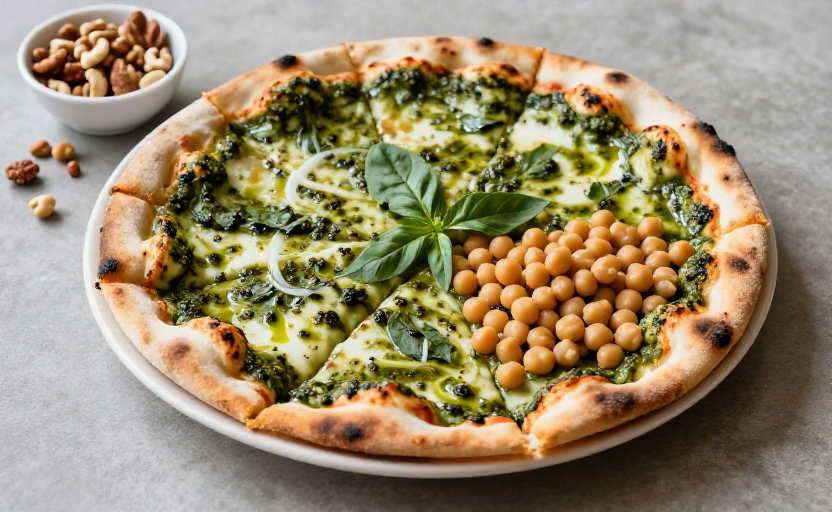
The first red flag is a plate that's heavy on white flour, cheese, or oil — with very little else. Think of a pizza made with a readymade crust, pesto sauce, and mozzarella, but no legumes, nuts, or seeds in sight. Or a bowl of pasta with olive oil and Parmesan. These meals can be satisfying in the moment, but they lack the protein your body needs for steady energy and muscle repair.
When you look at your dinner, ask yourself: Where is the protein coming from? If the answer is "mostly from cheese" or "there isn't any," that's a clue. Cheese does contain protein, but portion sizes in a typical vegetarian dinner often don't provide enough. A sprinkle of mozzarella on a pizza might add only 4–6 grams of protein per serving — far less than what you'd get from a serving of lentils or tofu.
A quick check: If your dinner doesn't include at least one substantial protein source — beans, lentils, chickpeas, tofu, tempeh, edamame, or a significant amount of nuts or seeds — it's likely low in protein.
Sign #2: You feel hungry an hour after eating
The second sign is more experiential. If you find yourself rummaging for a snack soon after finishing a vegetarian dinner, that's your body telling you something. Protein is a key player in satiety — it helps you feel full and satisfied after a meal. When a meal is low in protein, blood sugar can spike and then crash, leaving you tired, irritable, or hungry again quickly.
This is especially common with dinners that are primarily carbohydrates: a bowl of pasta with tomato sauce, a simple cheese quesadilla, or a vegetable stir-fry with rice but no tofu or beans. You might eat a generous portion, but without enough protein, your stomach empties faster and appetite hormones don't signal fullness as effectively.
Why protein matters in a vegetarian diet
Protein is essential for building and repairing tissues, making enzymes and hormones, and supporting immune function. For vegetarians, getting enough protein requires a bit of intention because plant-based proteins are often less concentrated than animal proteins. The good news is that many plant foods are excellent sources — you just need to know which ones to include.
Common vegetarian protein sources include:
- Lentils, chickpeas, and beans (black beans, kidney beans, pinto beans)
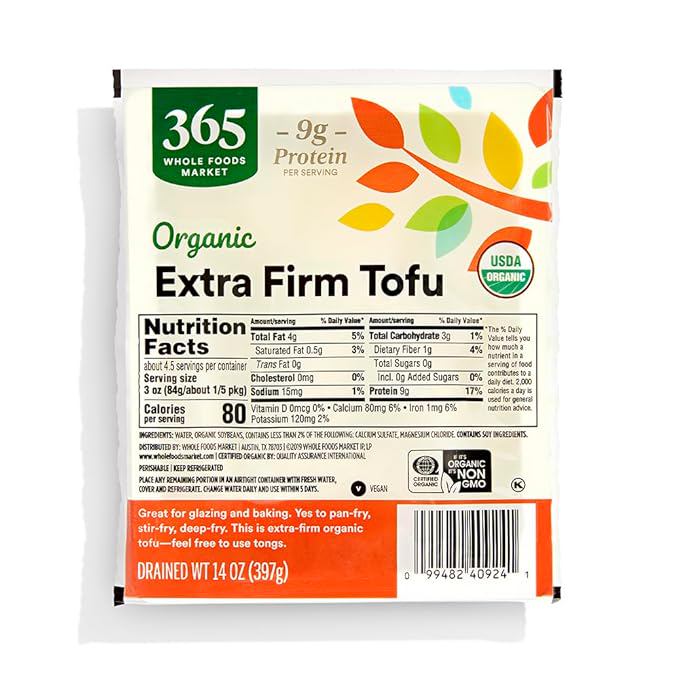
- Tofu, tempeh, and edamame
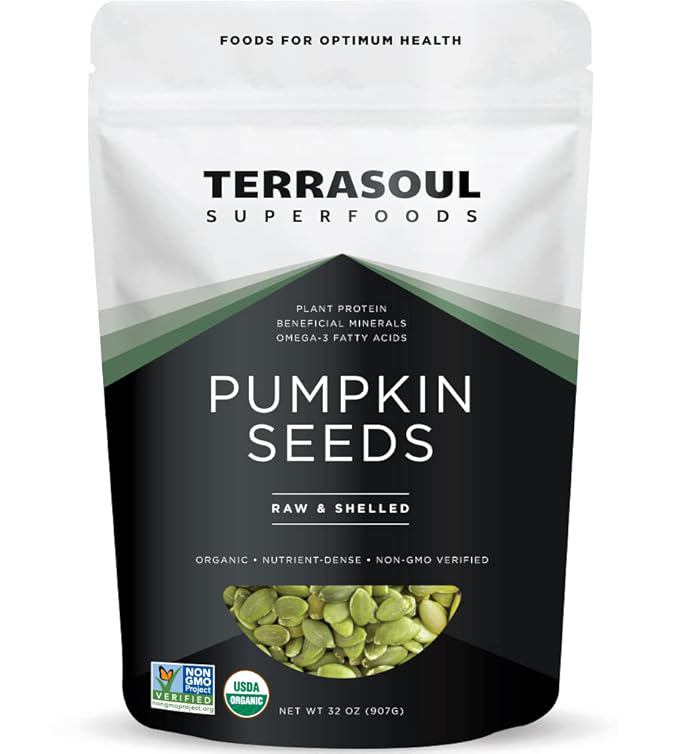
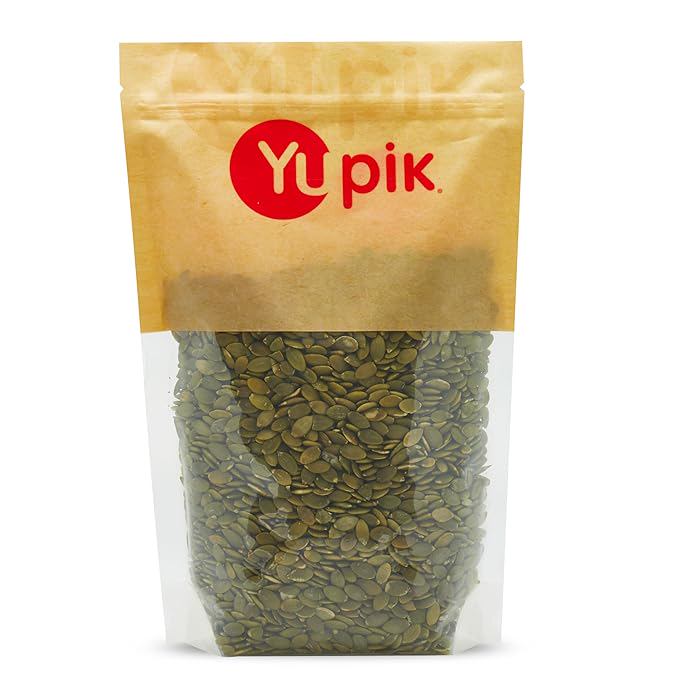
- Nuts and seeds (almonds, walnuts, chia seeds, hemp seeds, pumpkin seeds)
- Whole grains like quinoa, amaranth, and farro
- Dairy products (Greek yogurt, cottage cheese, milk) and eggs
Aiming for about 15–25 grams of protein per meal is a reasonable target for most adults. That might look like 1 cup of cooked lentils (18 grams) plus a handful of walnuts (4–5 grams).
How to boost protein in quick vegetarian dinners
You don't need to overhaul your cooking style to make your easy dinners more protein-rich. Small swaps and additions go a long way.
- Add legumes to pasta and pizza. Toss chickpeas or white beans into tomato sauce, or scatter cooked lentils over a pizza before baking.
- Use tofu or tempeh in stir-fries and grain bowls. Crumble firm tofu into a skillet with vegetables and soy sauce — it takes on flavor quickly.
- Include nuts or seeds as toppings. A sprinkle of chopped almonds, pumpkin seeds, or hemp seeds adds protein and crunch to salads, pasta, and roasted vegetables.
- Choose higher-protein grains. Cook quinoa or farro instead of white rice or regular pasta for an extra protein boost.
- Pair dairy with other protein sources. If you're using cheese, combine it with beans or tofu rather than relying on it as the sole protein.
What about those "two signs" in real meals?
Let's apply this to a common easy vegetarian dinner: a pesto pizza with a readymade crust, mozzarella, and basil. Look at the ingredients — the main sources of calories are the refined flour crust, oil-based pesto, and cheese. There are no legumes, tofu, or significant amounts of nuts or seeds (unless the pesto has pine nuts, but often it's a small amount). This meal hits Sign #1: it's heavy on refined carbs and fat, with minimal protein. You'd likely feel hungry again soon — that's Sign #2.
A simple fix: top the pizza with canned chickpeas (rinsed and drained) or thinly sliced tofu before baking. Or serve a side of lentil soup alongside a slice of pizza. Small changes make a real difference.
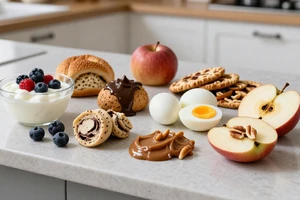
Similarly, a chocolate-and-ice-cream dessert after a low-protein dinner doesn't help. Desserts like a chocolate panipuri (chocolate-coated puri filled with ice cream) are fun and creative, but they add sugar and fat without protein. If you're serving a dessert after a light vegetarian meal, consider a small portion of Greek yogurt with berries or a handful of nuts to round out the nutrition.
Take a closer look at your dinner plate
Being vegetarian or plant-based doesn't mean you're automatically getting enough protein. The two signs — a meal heavy on refined carbs and fat, and feeling hungry soon after eating — are practical cues that your dinner needs a protein boost. By adding beans, tofu, lentils, or nuts to your quick recipes, you can keep your easy vegetarian dinners satisfying, balanced, and genuinely nourishing.