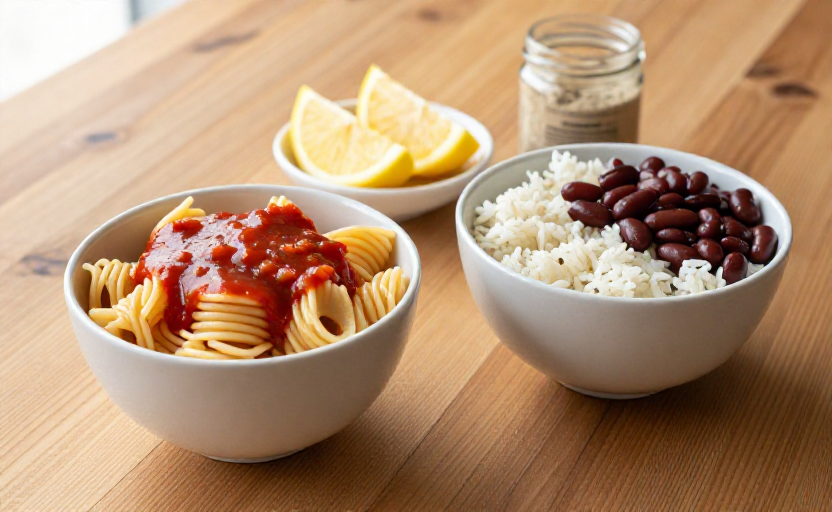
You’re doing the thing. You’re eating more plants, watching your budget, and getting dinner on the table without a lot of fuss. But every now and then you wonder: Is this meal actually giving me what I need? It’s a fair question. A vegetarian dinner built around pasta, canned tomatoes, or rice and beans can look complete on the plate and still fall short on a few essential vitamins.
The good news is that the signs are subtle but real. Once you know what to look for, you can adjust your cooking habits without overhauling your entire kitchen. Here are two clear signs your go-to budget-friendly vegetarian dinner might be leaving you short on key nutrients.
Sign #1: You Feel Tired or Low on Energy a Few Hours After Eating
If you routinely feel sluggish, heavy, or mentally foggy an hour or two after a plant-based meal, it could be a signal that the meal is too low in iron or vitamin B12. Both are critical for energy metabolism and red blood cell health.
Many budget-friendly vegetarian dinners rely on grains and legumes. A bowl of rice and lentils, for example, provides plenty of fiber and some protein, but the form of iron in plants (non-heme iron) is less easily absorbed than the iron from meat. Without a source of vitamin C at the same meal, you may not absorb enough to keep your energy stable.
Vitamin B12 is another common gap. It’s not naturally found in plant foods in meaningful amounts. If your regular rotation does not include fortified foods (like nutritional yeast, some plant milks, or certain breakfast cereals), your B12 intake may be low. Over time, this can show up as fatigue, weakness, or even a slight tingling in your hands and feet.
What to do about it
Add a squeeze of lemon or a handful of bell peppers to your bean or lentil dishes to boost iron absorption. And if you eat eggs or dairy, include them a few times a week. For vegans, a B12 supplement or fortified foods are the most reliable source.
Sign #2: Your Skin, Nails, or Hair Look Different
Changes in your skin, nails, or hair can be a more visible clue that your diet is missing certain vitamins. Two of the most common offenders in a budget vegetarian diet are zinc and vitamin A.
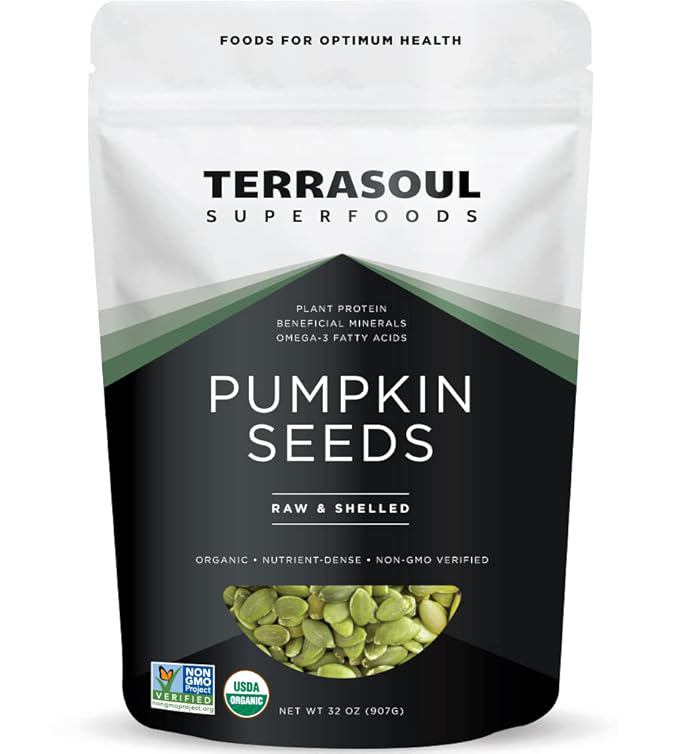
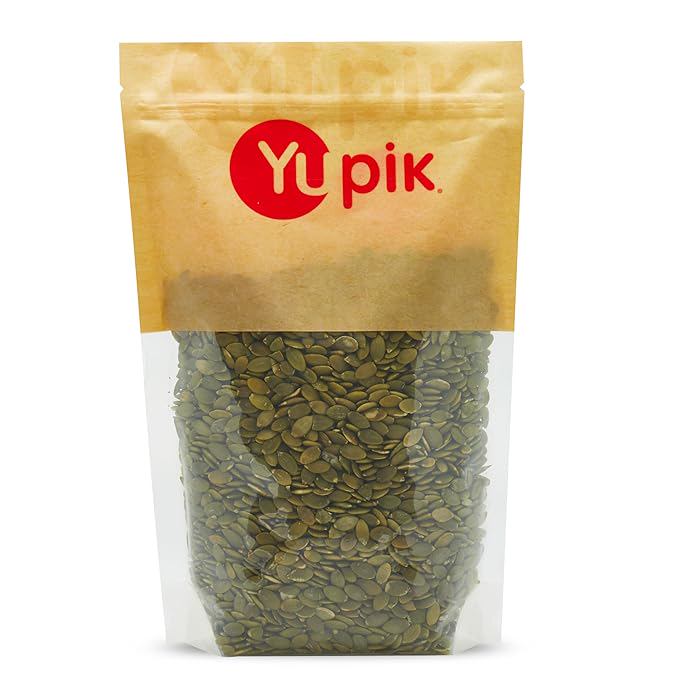
Zinc is abundant in shellfish and red meat, but it’s also found in pumpkin seeds, chickpeas, cashews, and whole grains. However, the phytates in grains and legumes can bind to zinc and reduce its absorption. If your meals lean heavily on whole-wheat pasta, brown rice, and beans without many zinc-rich add-ons, you might not get enough. Low zinc can show up as slow-healing cuts, brittle nails, or even white spots on your nails.
Vitamin A (in its active form, retinol) is only found in animal products like eggs and dairy. Plant-based beta-carotene can be converted into vitamin A, but the conversion rate varies widely from person to person. If you rarely eat carrots, sweet potatoes, or dark leafy greens, your vitamin A status may be low, which can contribute to dry skin or dry eyes.
What to do about it
Soak and rinse canned beans or cook dried beans thoroughly to reduce phytates. Toss a handful of pumpkin seeds onto salads or grain bowls. Include a small serving of orange vegetables (like carrots or winter squash) or dark leafy greens at most dinners.
A Quick Look at Nutrient Gaps in Common Budget Vegetarian Dinners
Here are a few frequent dinner combos and the vitamins they commonly miss:
- Pasta with tomato sauce and a side salad. Low in iron, zinc, and B12.
- Rice and bean bowl with lettuce and salsa. Low in B12 and vitamin A.
- Lentil soup with whole-grain bread. Low in B12 and vitamin C (unless you add lemon or greens).
The pattern is pretty simple: meals built around starches and legumes need a little help to become nutrient-dense. One easy fix is to add a small side of fermented vegetables (like sauerkraut or kimchi) for gut-friendly probiotics and a little vitamin C. Another is to rotate in eggs or dairy a few nights a week if your diet allows.
Putting It All Together
You don’t need an elaborate meal plan or exotic ingredients to close these gaps. Small tweaks can make a real difference. A squeeze of citrus, a sprinkle of seeds, a handful of dark greens, or a serving of fortified foods can turn a budget-friendly dinner into a well-rounded one.
Tip: Keep a small jar of nutritional yeast in your pantry. A tablespoon stirred into soups or pasta adds a cheesy flavor and a significant dose of vitamin B12.