
You wash your face before bed, apply your go-to products, and assume your skin will thank you in the morning. But if you wake up looking greasy rather than glowing, the problem might not be your genetics—it could be two common bedtime habits you haven't thought twice about. Let's walk through the night-time mistakes that can send your skin's oil production into overdrive, and what you can do to help keep things balanced.
Mistake #1: Skipping or Over-Cleansing Before Bed
It might seem logical: if your skin feels oily, you should scrub it clean with a strong cleanser, or maybe skip moisturizer altogether. Neither approach works well. In fact, both can backfire. When you strip your skin too aggressively with a harsh cleanser or fail to remove oil, makeup, and pollutants at the end of the day, your skin's natural barrier gets disrupted. This signals your sebaceous glands to produce even more oil overnight in an attempt to compensate.
Think of your skin's barrier like a brick wall. Harsh cleansers and alcohol-based products are like chipping away at the mortar. Your skin then rushes to rebuild with whatever it has—often, excess sebum. On the flip side, if you go to bed without washing at all, leftover grime and makeup can clog pores and mix with your skin's natural oils, leading to a greasy feel and potential breakouts.
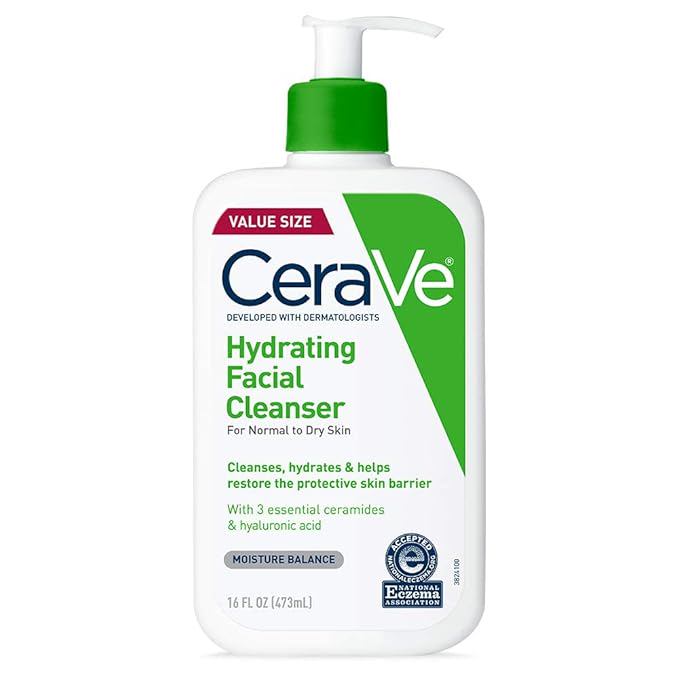
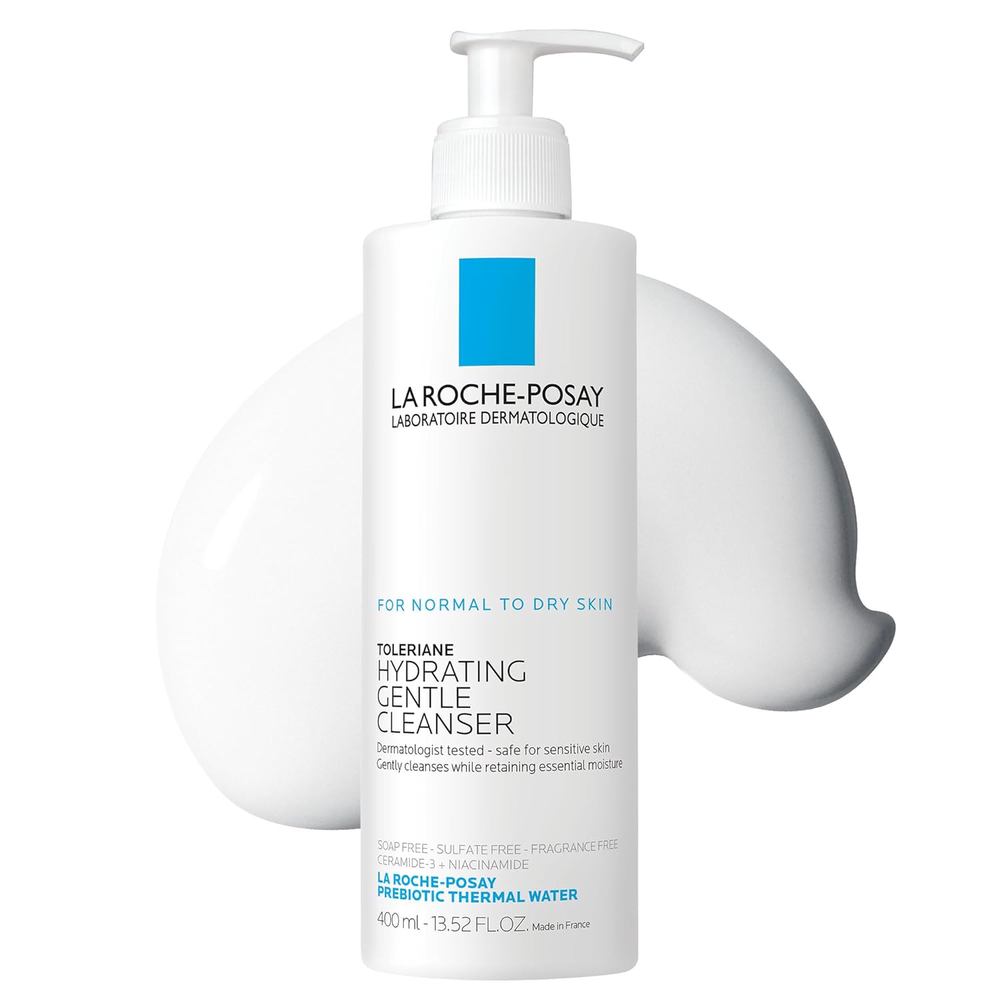
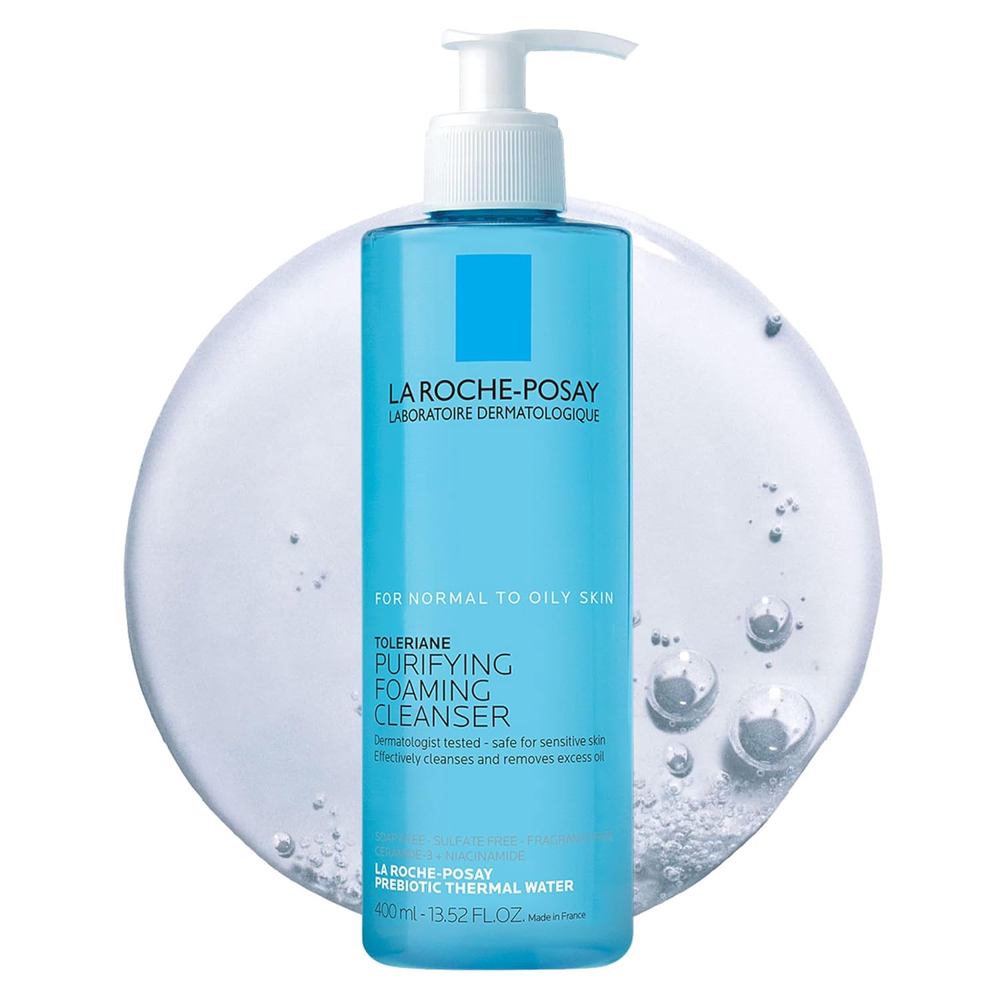
Quick fix: Use a gentle, pH-balanced cleanser that removes impurities without stripping. Double cleanse if you wore sunscreen or makeup, but stick to a mild second step.
Mistake #2: Using the Wrong Moisturizer (or None at All)
Here's the paradox: oily skin still needs hydration. When you skip moisturizer because you fear adding more oil, your skin actually produces extra sebum to make up for the lack of moisture. This is called reactive seborrhea, and it's a common trap for people with combination or oily skin types.
The type of moisturizer you choose matters just as much. Rich, heavy creams with occlusive ingredients like petrolatum or shea butter can feel suffocating on oily skin and may trap excess oil and bacteria. Meanwhile, drying or alcohol-heavy gel formulas can strip the skin, triggering that same rebound oiliness while you sleep.
Your skin repairs and regenerates the most during the night, so what you apply before bed has a direct impact on how much oil your glands produce. The goal is to support your barrier without overloading it.
What to Look for in a Nighttime Moisturizer
- Lightweight, oil-free formulas: Look for labels like "non-comedogenic" and "oil-free."
- Hydrating ingredients: Hyaluronic acid, glycerin, and niacinamide deliver water without grease.
- Balancing ingredients: Niacinamide also helps regulate oil production over time.
Pro tip: If you have very oily skin, try a gel-cream or a water-based sleeping mask instead of a traditional night cream. Your skin will stay hydrated without feeling slick.
Other Nighttime Factors That Affect Oiliness
While those two mistakes are the main culprits, a few other habits can make things worse:
- Sleeping on dirty pillowcases: Oils, dead skin, and product residue build up quickly. Swap your pillowcase every two to three days.
- Using too many active ingredients at once: Layering harsh exfoliants or retinol without proper hydration can damage the barrier. Stick to one active per routine and always follow with a moisturizer.
- Hot, humid sleep environments: A warm room can stimulate sweat and oil glands. Aim for a cool, well-ventilated bedroom.
Small tweaks to your bedtime routine can make a real difference. Focus on gentle cleansing and a lightweight, hydrating moisturizer that supports your skin barrier rather than stripping it. Over time, your skin will likely find a more balanced state—and you'll wake up with a calm, healthy-looking complexion instead of an oily shine.