You wash your face, you change your pillowcase, you avoid the obvious junk food. But the deep, painful cysts still show up — especially along your jawline and chin. If that sounds familiar, the culprit might not be what you're putting on your skin. It might be the stress response running quietly beneath your skin.
We know that stress and acne are linked, but the mechanism is more specific than most people think. When your body releases cortisol — your primary stress hormone — it doesn't just make you feel wired. It directly influences your sebaceous glands, telling them to pump out more oil and encouraging inflammation deep in the follicle. For those prone to cystic acne, this internal chemistry shift can be the difference between a clear week and an outbreak.
Habit 1: The Constant Low-Grade Stress of a Chaotic Morning
You might not feel panicked, but if your mornings are a scramble — hitting snooze three times, skipping breakfast, rushing out the door while already late — your body is registering it as an emergency. Each frantic morning spikes cortisol, and that spike doesn't fade as quickly as you'd think. For some people, the lingering cortisol keeps sebum production elevated throughout the day, setting the stage for deep cystic breakouts by the evening.
This isn't only about big, stressful events. Small, repeated micro-stressors can be more impactful because they are harder to recognize. What does a cortisol-raising breakfast actually look like? A large coffee on an empty stomach, or a sugary pastry that sends your blood sugar on a rollercoaster ride.
The short version: A rushed, high-sugar, high-caffeine start to the day practically invites cortisol to linger. That lingering hormone is what your cystic acne doesn't need.
What to try instead
- Eat protein within 30–60 minutes of waking. Even a hard-boiled egg or a handful of almonds helps stabilize blood sugar, which keeps cortisol from climbing.
- Give yourself a 15-minute buffer. Waking up earlier is hard, but the trade-off is fewer cortisol spikes and, over time, possibly fewer cysts.
- Swap your first drink. Try a glass of water with a pinch of salt before any caffeine. Hydration and electrolytes help the adrenal glands settle down.
Habit 2: Late-Night Screen Time That Keeps Your Brain On
Cortisol works on a daily rhythm. It should be highest in the early morning to help you wake up, and lowest at night to let you sleep and repair. But when you scroll through your phone or laptop in bed — especially social media, work emails, or the news — you are signaling to your brain that there is still something to handle. Light from the screen confuses your circadian system, and the content keeps your mind engaged. The result? Your cortisol doesn't drop as it should.
Poor sleep and late-night cortisol are a known trigger for inflammatory skin conditions. When your body misses out on deep sleep, your immune system becomes more reactive, which means existing acne lesions can balloon into painful, swollen cysts. Even if you feel you are sleeping enough, if you are falling asleep with the TV on or checking email until you close your eyes, your cortisol may not be fully deactivating.
One caveat: Not everyone reacts the same way to screens. But if your cystic acne flares when you also notice you're sleeping poorly or waking up feeling wired, this habit may be your missing link.
What to try instead
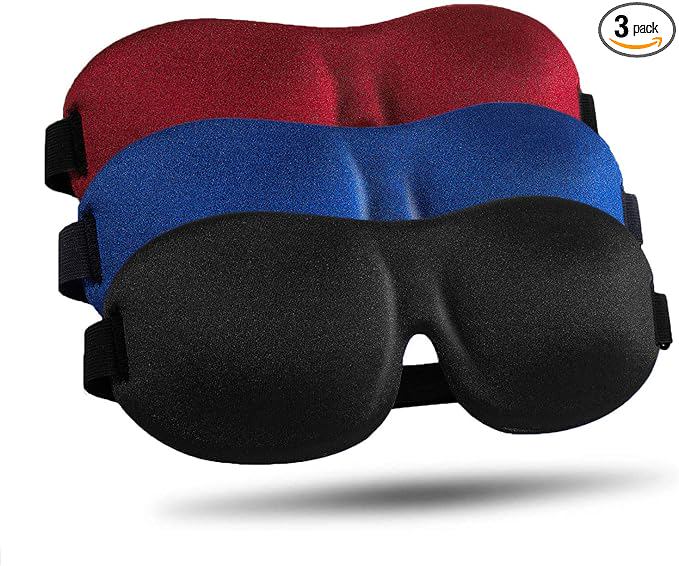
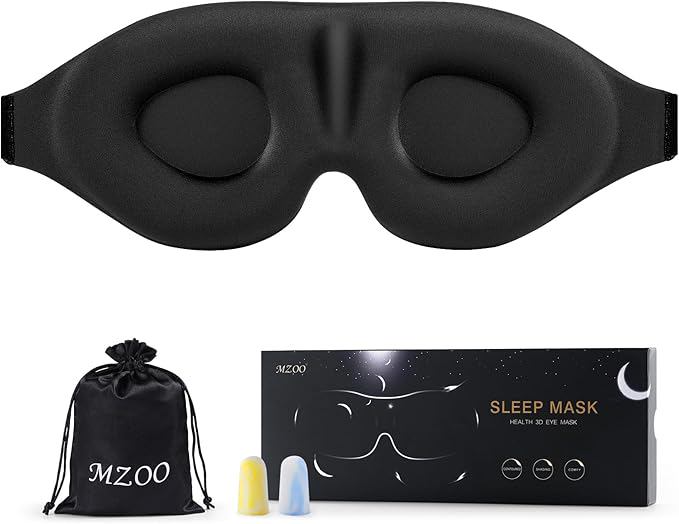
- Create a 30-minute screen-free wind-down. Read a paper book, take a warm shower, or do some light stretching. Lowering the mental stimulation lowers cortisol.
- If you must use screens, use blue light blocking mode. It's not a complete fix, but it can lower the circadian disruption.
- Go to bed at roughly the same time every night. Consistency trains the cortisol rhythm. An erratic sleep schedule can be as inflammatory as not sleeping enough.
Why these habits hit cystic acne specifically
Cystic acne isn't just a surface breakout. It forms deep in the dermis where the follicle wall ruptures, spilling bacteria, oil, and dead skin cells into the surrounding tissue. Cortisol contributes by ramping up your immune system's initial response — creating more swelling, redness, and pain around those deep lesions. It also increases skin surface lipids, making the environment more favorable for acne-causing bacteria.
Not everyone with acne gets cysts. Those who do tend to have a stronger local inflammatory response. Cortisol amplifies that existing tendency. So while two people might share the same diet and skincare routine, the person with the higher afternoon cortisol might be the one waking up to a new cyst.
How to tell if these habits affect you
You do not need to measure your cortisol to know it's at play. Track this for one week: rate your morning rushing (1 = calm, 5 = frantic) and your evening screen use (1 = off by 9 PM, 5 = screens until sleep). If you see a pattern where high-morning-stress and high-late-screen-use days correlate with a new cyst two days later, you have your answer. That pattern alone is worth breaking.
This is not about adding more to your routine. It is about removing the small, silent cortisol triggers that your skin is reacting to.