
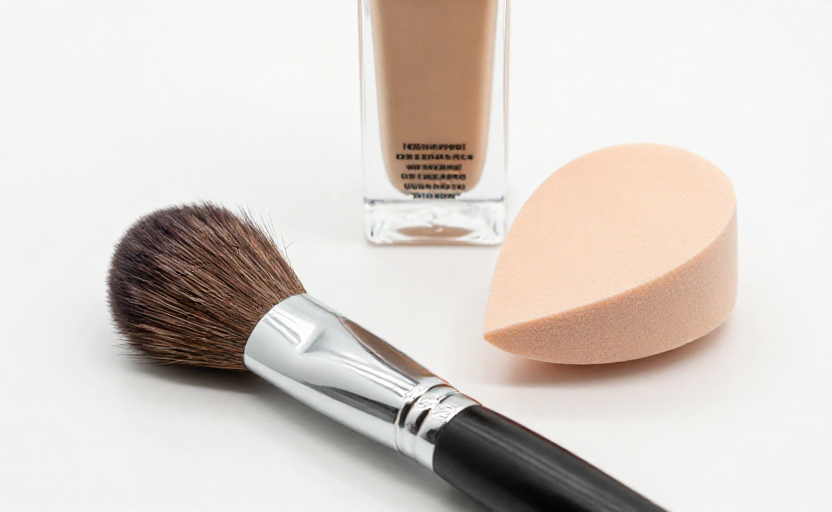
Layering makeup on acne-prone skin can feel like a careful gamble. Each swipe of a brush or pat of a sponge carries the risk of clogging pores or irritating already-sensitive spots. The goal is coverage, not a flare-up, and achieving that balance requires a thoughtful technique. Here are two expert-backed approaches to building a makeup look that protects your skin's health while delivering the finish you want.
Tip 1: Start with a Hydrating, Oil-Free Base
The foundation of any makeup layer—literally—is what goes on underneath. For acne-prone skin, the priority is a moisturizer that hydrates without adding pore-clogging oils. Look for labels that say non-comedogenic; this term indicates the product is formulated to avoid blocking pores. A water-based or gel-cream moisturizer absorbs quickly, leaving a slightly tacky surface that makeup can grip without slipping or settling into dry patches.
Many people skip this step, thinking oily or combination skin doesn't need extra moisture. But when skin is dehydrated, it can overproduce sebum as a coping mechanism, which often worsens acne. A lightweight, soothing layer of hydration actually helps calm the skin, creating a more even canvas. Let the moisturizer set for two to three minutes before moving on. This small pause allows the product to sink in fully, preventing pilling or unevenness when you apply primer or foundation.
A quick check: If your moisturizer feels greasy to the touch after a minute, it might be too heavy for daytime wear under makeup. Opt for a formula that absorbs almost completely.
Tip 2: Choose Non-Comedogenic, Fragrance-Free Formulas at Every Step
Acne-prone skin is often reactive. Fragrances, alcohol, and certain emollients can cause stinging, redness, and breakouts. When selecting products, look for the non-comedogenic label on your primer, foundation, concealer, and even powder. Mineral-based powders with simple ingredients—like titanium dioxide or iron oxides—are often better tolerated because they have a lower chance of irritating the skin.
Layering is about building coverage without trapping bacteria or excess oil. Start with the thinnest products first. A tinted moisturizer or a lightweight, buildable foundation allows you to add coverage only where you need it. Use a damp, clean sponge or a soft brush to stipple the formula onto the skin rather than dragging or rubbing it, which can agitate active breakouts.
How to Handle Active Breakouts
For a healing pimple, avoid heavy concealer application directly over the spot. Instead, dab a thin layer of a medium-coverage concealer around the blemish, then blend outward. This technique camouflages redness without suffocating the lesion. A light dusting of translucent powder over the area can set the concealer and reduce shine without adding extra layers of product.
It's a good practice to clean your makeup tools every five to seven days. Sponges and brushes can harbor bacteria that transfer directly into pores, causing new bumps. A quick rinse with a gentle brush cleanser or a mild shampoo is enough to keep your tools clean and safe for sensitive skin.
Ultimately, the rule for acne-prone skin is to use fewer products with better ingredients. When each layer is intentional and non-irritating, makeup can enhance your skin's appearance without compromising its health.