
If you have oily skin, you might think your main concern is keeping shine at bay or preventing breakouts. But here’s the twist: oily skin can still have a compromised skin barrier. In fact, certain diet habits can quietly strip that protective layer, leaving your skin irritated, dehydrated, and more prone to sensitivity. The good news is that once you know which mistakes to watch for, you can adjust your eating pattern and support your skin’s health from the inside out.
Dermatologists point to two common diet-related mistakes that can undermine the skin barrier in people with oily skin: a reliance on high-glycemic foods and a lack of healthy fats. Let’s walk through what this looks like day to day and how you can make smarter choices without overhauling your entire pantry.
Mistake #1: A High-Glycemic Diet That Fuels Inflammation and Barrier Damage
Oily skin is often associated with high sebum production, but the skin barrier is a separate, delicate structure. Processed carbs — think white bread, sugary cereals, chips, and soda — cause a sharp spike in blood sugar. This spike triggers a cascade of inflammation and an increase in insulin-like growth factor (IGF-1), which can ramp up sebum production and, paradoxically, weaken the barrier. A weak barrier means moisture escapes more easily, even when the skin looks shiny.
Instead of cutting out carbs entirely, aim for low-glycemic options that digest more slowly. Whole grains, legumes, and non-starchy vegetables help keep blood sugar stable. Your skin barrier appreciates the steadier environment, and your oily skin may even become less reactive over time.
Simple swaps for a skin-friendlier plate
- Replace sugary breakfast cereals with oatmeal topped with nuts or seeds.
- Choose brown rice or quinoa instead of white rice.
- Snack on apple slices with almond butter rather than a granola bar high in added sugar.
Mistake #2: Skimping on Healthy Fats — Your Barrier’s Best Friend
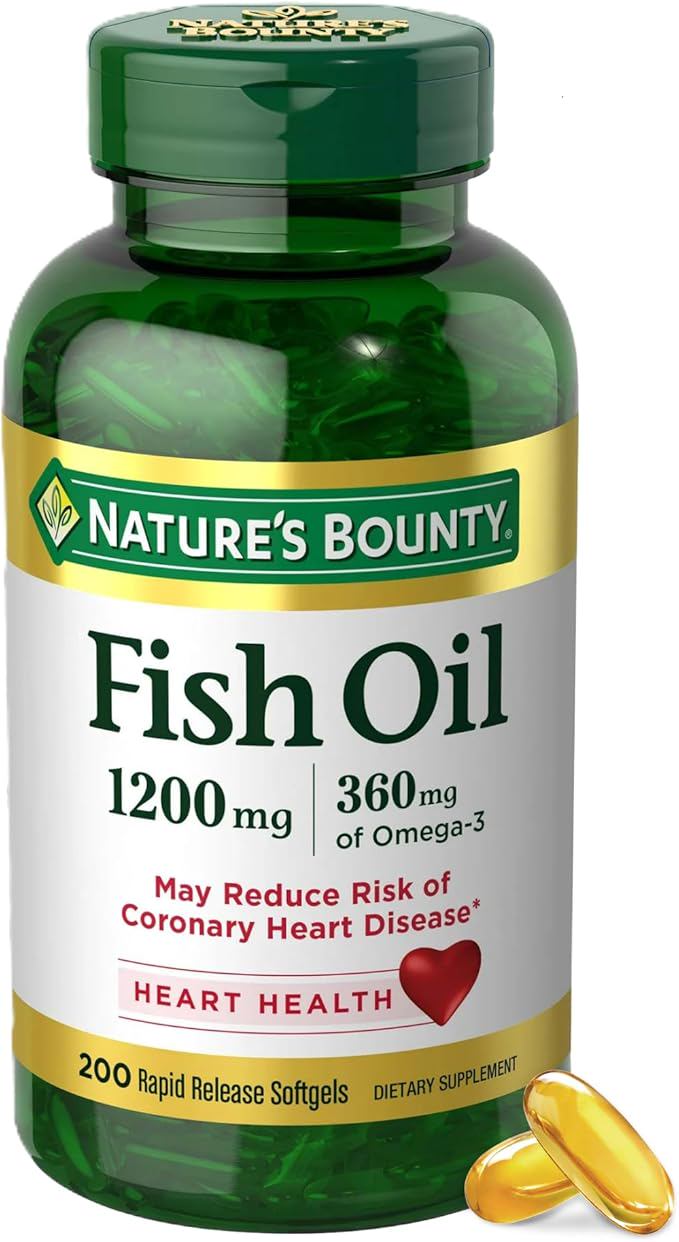
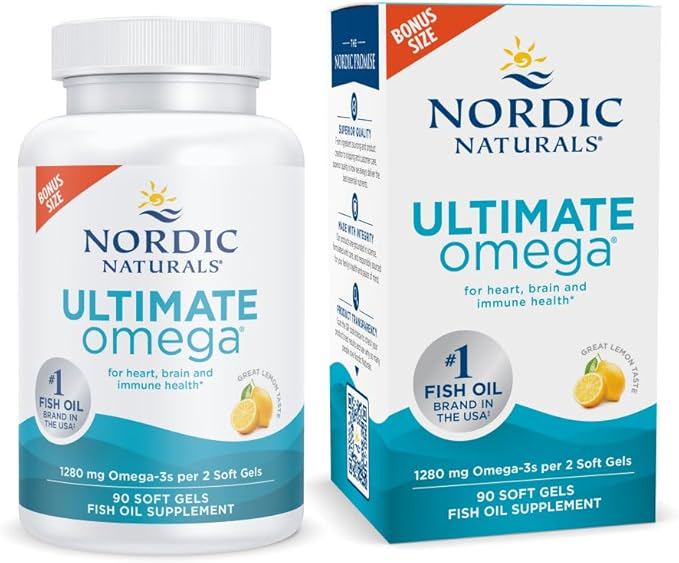
The second common mistake is cutting out dietary fat out of fear that it will worsen oily skin. The skin barrier relies on lipids — including essential fatty acids — to function properly. When you don’t eat enough healthy fats (think omega-3s and monounsaturated fats), the barrier can become dry, brittle, and inflamed. This is a classic case of “dehydrated oily skin”: the surface feels greasy, but deeper layers lack the lipids needed to seal in moisture.
Note: Eating healthy fats does not necessarily cause more breakouts. On the contrary, omega-3s can help calm inflammation, which benefits both acne-prone and barrier-compromised skin.
Good sources of skin-supporting fats include fatty fish (salmon, mackerel, sardines), avocados, walnuts, chia seeds, and olive oil. Aim to include at least one of these in your daily meals. If you prefer plant-based options, ground flaxseed and hemp seeds also provide beneficial omega-3s.
How the Skin Barrier Relates to Oily Skin
It’s easy to assume that oily skin is well-moisturized, but the skin barrier is about more than just oil production. The barrier is the outermost layer of the epidermis, made of cornified cells and a lipid matrix. Its job is to keep irritants out and water in. When the barrier is damaged, transepidermal water loss increases, which can paradoxically signal the skin to produce even more oil to compensate. This creates a frustrating cycle: more oil, but still a compromised barrier.
Diet plays a direct role here. A high-glycemic diet can deplete barrier lipids, while a lack of dietary fat starves the barrier of the raw materials it needs to repair itself. The fix isn’t complicated — balancing meals to include protein, fiber, and healthy fat can go a long way toward restoring balance.
Practical Steps to Support the Skin Barrier Through Diet
You don’t need a drastic makeover. Small, consistent changes can make a noticeable difference over a few weeks.
- Start with breakfast: Instead of a bagel with jam, try a veggie omelet cooked in olive oil or a smoothie with spinach, berries, and a spoonful of almond butter.
- Pair carbs with protein or fat: If you eat a piece of fruit, add a handful of walnuts or a few slices of avocado. This slows down sugar absorption.
- Include omega-3s regularly: At least two servings of fatty fish per week, or a daily serving of ground flaxseed if you’re plant-based.
- Stay hydrated with water: Herbal teas and water are best. Sugary drinks are a major source of high-glycemic load.
Remember, no single food will fix a damaged barrier. Think of your diet as a pattern that supports your skin over time, not a quick fix. If you notice persistent irritation, redness, or a feeling of tightness despite an oily complexion, these dietary adjustments are worth trying alongside your usual skincare routine.