
When breakouts keep coming back, it is tempting to blame genetics, hormones, or the wrong face wash. But sometimes the real triggers are hiding in plain sight—two everyday habits that quietly clog pores and fuel more acne. A dermatologist recently outlined several factors that can derail even the most careful skincare routine, and two of them stand out as daily, repeatable behaviors that many of us overlook.
Dr. Anupriya Goel, a dermatologist and medical director of Berkowits chain of clinics, shared via Instagram that certain routine choices can break down collagen, speed up visible aging, and worsen acne. Below, we break down the two habits that most directly contribute to clogged pores and breakouts—plus a few extra factors worth knowing.
1. Eating too much sugar every day
It is not just candy and soda. Sugar sneaks into so many daily foods and drinks—flavored coffee, breakfast cereal, store-bought sauces, and even that afternoon tea with a spoonful of sweetener. When blood sugar spikes repeatedly, the body undergoes a process called glycation. In simple terms, sugar molecules attach to proteins like collagen and elastin, making them stiff and less functional. This triggers inflammation and can worsen acne, eczema, and other skin conditions.
A diet consistently high in sugar also leads to more insulin production, which in turn signals the skin glands to produce more oil. More oil means more clogged pores, more blackheads, and more inflamed breakouts. The fix: cutting back on sugary drinks and swapping refined sweets for whole fruits or small amounts of dark chocolate can make a noticeable difference within weeks.
2. Consuming too much salt throughout the day
Salt is essential, but in modern diets it is everywhere—bread, cheese, deli meats, restaurant meals, and yes, the shaker at home. Excessive sodium intake can dehydrate the skin, leaving it looking dry, dull, and tight. But here is the twist: dehydrated skin often compensates by producing more oil to protect itself. That extra oil, combined with dead skin cells, can lead directly to clogged pores and fresh acne.
Salt also contributes to facial puffiness and can exacerbate inflammatory skin reactions. Keeping sodium in check means reading labels, cooking more often at home, and using herbs and spices for flavor instead of relying on salt alone.
Other habits that can affect your skin
While sugar and salt are the most common daily culprits, the dermatologist also mentioned a few other factors that can worsen acne or accelerate skin aging.
Caffeine in excess
Coffee, black tea, and energy drinks have a mild diuretic effect, which can dry the skin over time. Dehydrated skin loses its natural barrier strength, making it more vulnerable to irritation, breakouts, and premature wrinkles. The key is moderation—two cups a day is usually fine, but more than that without enough water can upset your skin.
Stress
Stress is a known acne trigger. When you are under pressure, the body releases cortisol, which can stimulate sebaceous glands to produce more oil. Stressed skin also heals slower, meaning that once a pimple appears, it may take longer to calm down. Adding a short mindfulness practice or even a 10-minute walk to your daily routine can help keep cortisol levels in check.
Direct sunlight
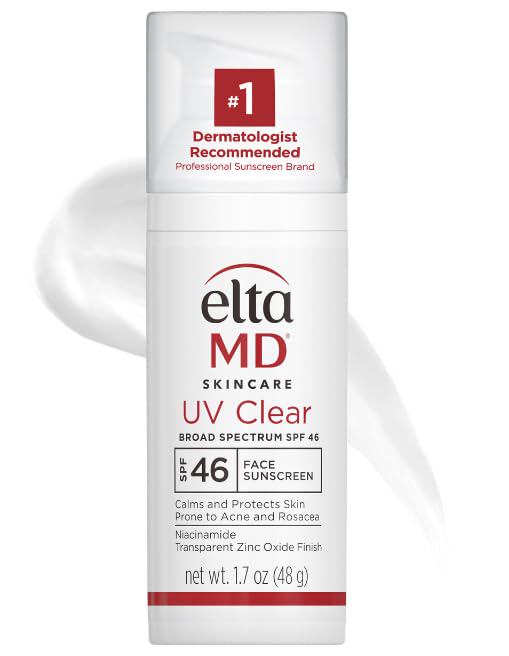
Sunlight helps the body make vitamin D, but unprotected, prolonged exposure damages the outer layer of skin, causes inflammation, and can darken acne scars. Sunscreen is non-negotiable for anyone prone to breakouts—look for a non-comedogenic, oil-free formula that will not clog pores.
Small changes, real results
You do not have to overhaul your life overnight. The most effective approach is to target these two daily habits first: cut back on added sugar and keep your salt intake within recommended limits (about one teaspoon per day total). Once those are in check, consider dialing back caffeine, managing stress, and wearing sunscreen. Your skin will thank you with fewer clogged pores and less frequent flare-ups.