
You have navigated the breakouts, the redness, and the tenderness that comes with hormonal acne. You might feel a sense of relief when the active pimple finally subsides. But then you are left with the calling card—a dark spot, a shallow dent, or a patch of uneven texture that seems to settle in for months. It is frustrating, but there is good news: much of what keeps those scars visible comes down to two specific habits in your daily routine.
These mistakes are not about genetics or bad luck. They are about how we react to the skin after the pimple has healed. If you recognize these patterns, you can stop feeding the cycle and start giving your skin the calm it needs to rebuild. Here are the two most common errors that make hormonal acne scars linger far longer than they should.
Mistake one: Picking and squeezing with misguided intention
When a hormonal cyst or nodule is active, it sits deep in the skin. That pressure, combined with the psychological urge to ‘get it out,’ often leads to squeezing. The problem is that a true hormonal pimple—especially in the deeper layers—does not have a surface head that can be cleanly expressed. When you apply force, you are not removing the core of the blemish. You are rupturing the follicle wall deeper into the dermis.
This rupture creates a scattering of infection and inflammatory cells. The body responds by sending in repair cells, and sometimes it overcorrects with collagen. That is how a flat red mark turns into a raised scar (hypertrophic) or a depressed crater (atrophic). The pressure also damages tiny blood vessels, which leak hemoglobin. This leftover hemoglobin can turn into a stubborn brownish spot known as post-inflammatory hyperpigmentation (PIH). If you pick, you are essentially instructing your body to build scar tissue where none needed to exist.
The short takeaway: Do not touch a hormonal pimple that feels deep and unpoppable. Leave it alone, and it will typically flatten with less collateral damage. If you have already picked, stop now. Every day you resist is a day the scar can begin to fade on its own.
Mistake two: Skipping sun protection on healing spots
Here is a biological trap: a healing acne scar is extremely sensitive to ultraviolet light. When the skin is inflamed, it produces extra melanocytes—the cells that make pigment. If those healing cells are exposed to UV rays, they go into overdrive. The result is a dark spot that can last for months, even years, while the rest of your skin fades normally.
Many people assume that sunscreen is only necessary for a sunny day at the beach. But incidental exposure—walking to the car, sitting by a window, stepping out for lunch—adds up. For someone with hormonal acne along the jawline or chin, the difference between a red mark that fades in weeks and a dark mark that stays for six months is often the presence of daily UV protection.
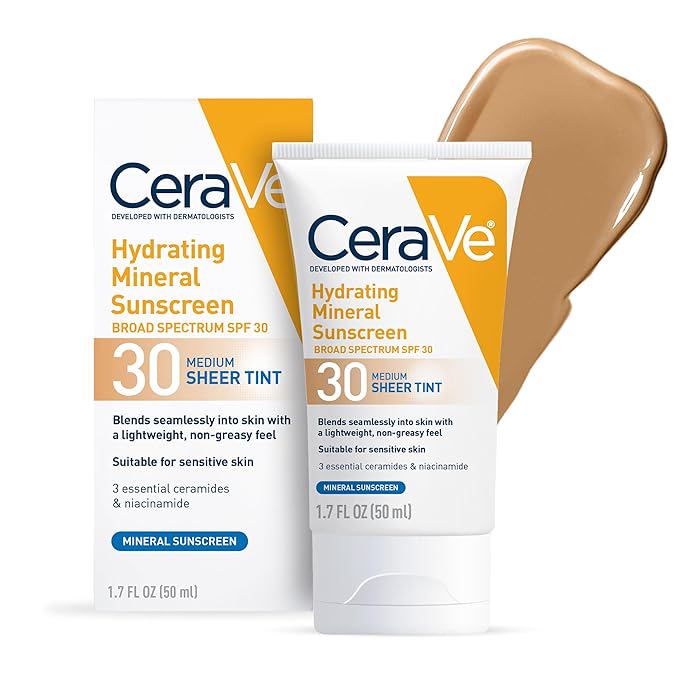
You do not need a heavy, pore-clogging formula. Choose a mineral-based sunscreen with zinc oxide or titanium dioxide, which physically block light. Apply it every morning after your moisturizer, and reapply if you are outdoors for extended periods. This one habit is the single most effective way to keep all the other treatments you are using—vitamin C, retinoids, or gentle acids—from being undone by sunlight.
The deeper layer: what your skin is telling you
Hormonal acne scars are not just surface marks. They are a signal that the inflammatory cascade is still simmering. While you work on stopping the picking and protecting from the sun, remember that the internal drivers—hormone fluctuations, high cortisol, and diet—also play a role. This is general education, not a prescription, but paying attention to patterns around your menstrual cycle, stress levels, and processed sugar intake can reduce the frequency of new breakouts. Fewer breakouts mean fewer opportunities for new scars to form.
If you already have pigmented spots, patience is a factor. Those marks can take four to six weeks to lighten with consistent sun protection and gentle barrier support. For deeper texture changes like ice-pick or boxcar scars, professional treatments such as microneedling or laser therapy may be needed, but none of those will work well if you continue these two mistakes at home.
A simple three-step rescue routine
- Stop touching. If you feel a bump, cover it with a thin hydrocolloid patch. This physically prevents picking and absorbs excess fluid without drying the skin.
- Apply a broad-spectrum SPF 30 or higher every morning without fail. Reapply at least once if you are near windows or outdoors.
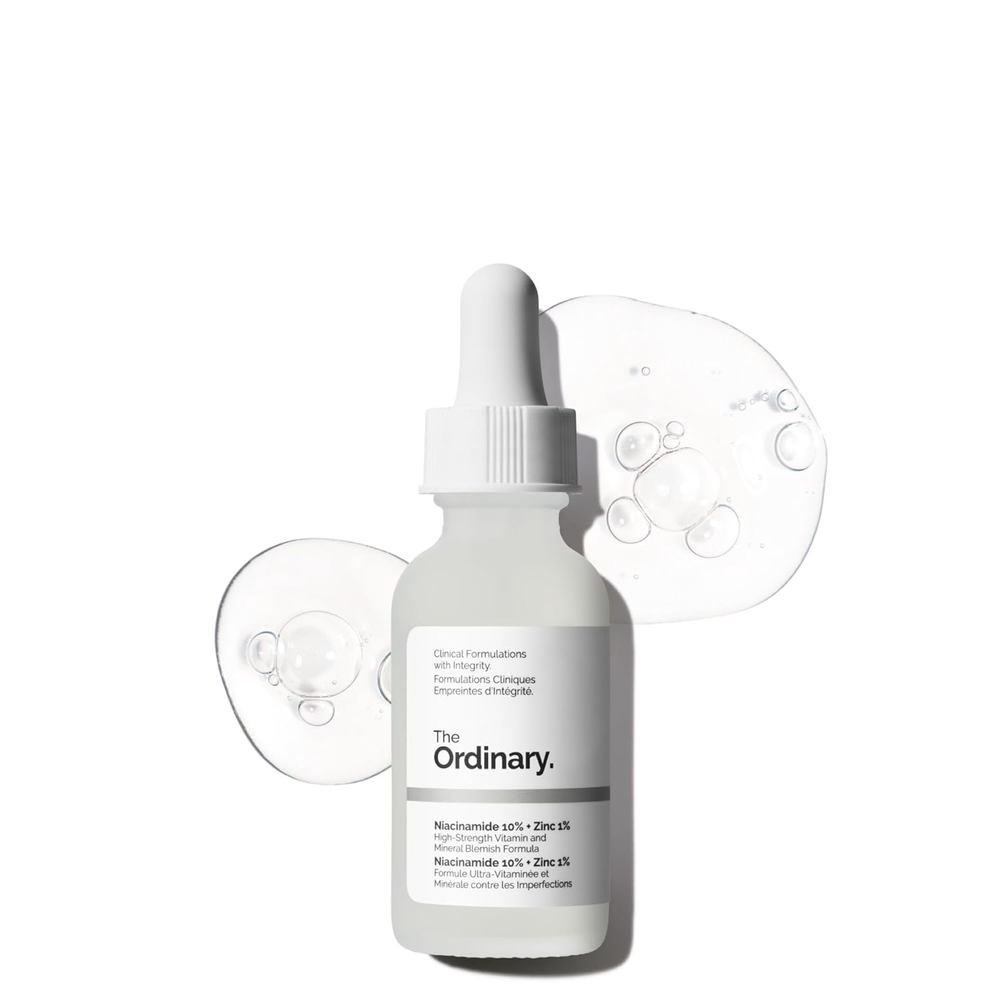
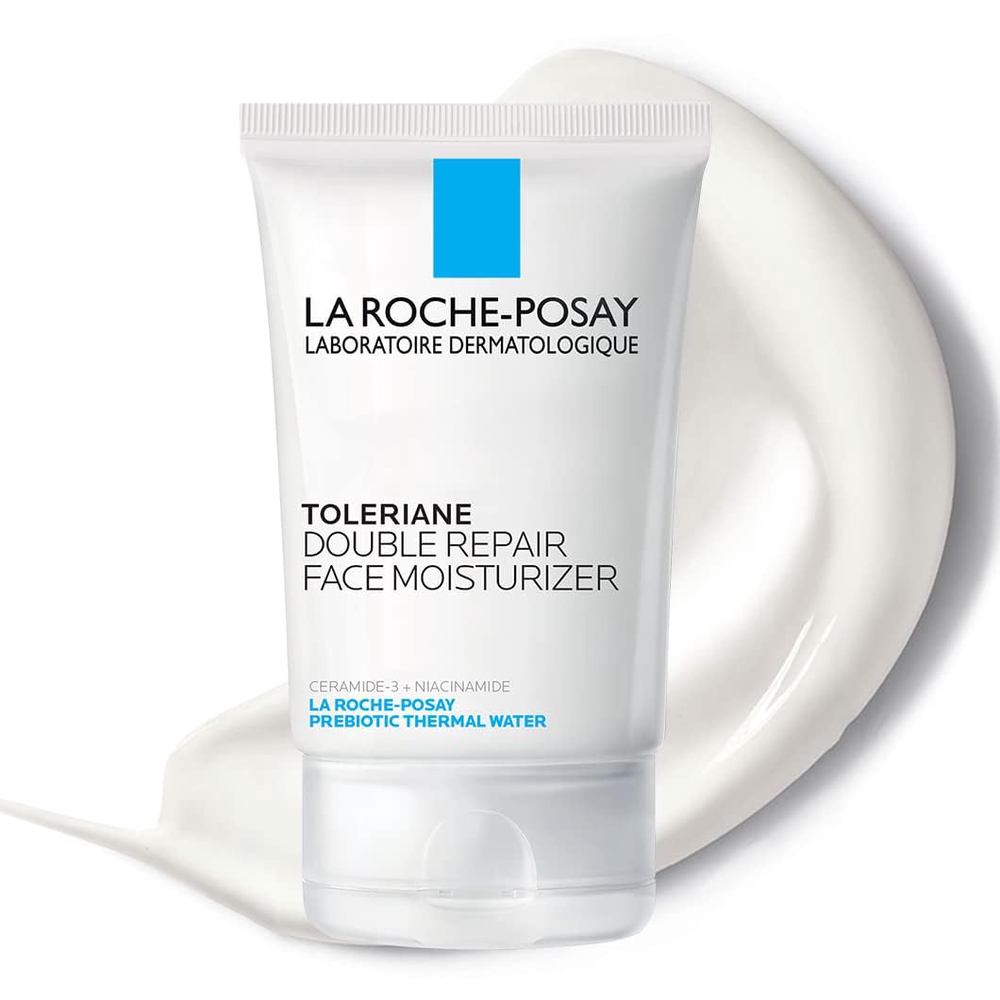
- Use a gentle, non-irritating moisturizer with ceramides or niacinamide. A well-hydrated barrier heals faster and is less likely to hyperpigment.
These steps are not a cure for existing scars, but they are the foundation upon which everything else depends. You cannot out-treat a bad picking habit or a sunburn that reactivates inflammation. Give your skin a fair chance to do what it does best—repair itself quietly.
Hormonal acne is not something you choose, but the way you treat the aftermath is within your control. If scars are taking too long to fade, look first at your hands and your sun protection. Fixing these two common mistakes can shave months off your healing timeline and give you back skin that feels more like you.