
Cleansing is the foundation of any skincare routine, but for combination skin, it’s a delicate balancing act. Get it right, and you support a clear, comfortable complexion. Get it wrong, and you can tip your skin into a cycle of irritation, dryness, and excess oil. The goal isn't to strip your skin squeaky-clean; it's to gently reset it without disrupting its natural equilibrium. If your T-zone feels tight and flaky while your cheeks remain shiny, or if breakouts and redness seem to flare up after washing, your cleansing habits might be the culprit.
Mistake 1: Using a Cleanser That's Too Harsh or Drying
It’s a common instinct: if your T-zone is oily, you reach for a powerful, deep-cleansing formula to cut through the grease. The problem is that these cleansers often contain high levels of sulfates (like sodium lauryl sulfate) or strong alcohols. They create that satisfying, squeaky-clean feeling by stripping away all the oil—including the essential lipids your skin barrier needs to stay healthy, especially on your drier cheek areas.
This creates a vicious cycle. Your skin’s barrier becomes compromised, leading to tightness, flakiness, and irritation on the drier zones. In response, your oil glands in the T-zone can go into overdrive to compensate for the sudden dryness, producing even more sebum. You end up with skin that feels both parched and greasy simultaneously.
Your cleanser should remove impurities, not your skin’s natural defenses.
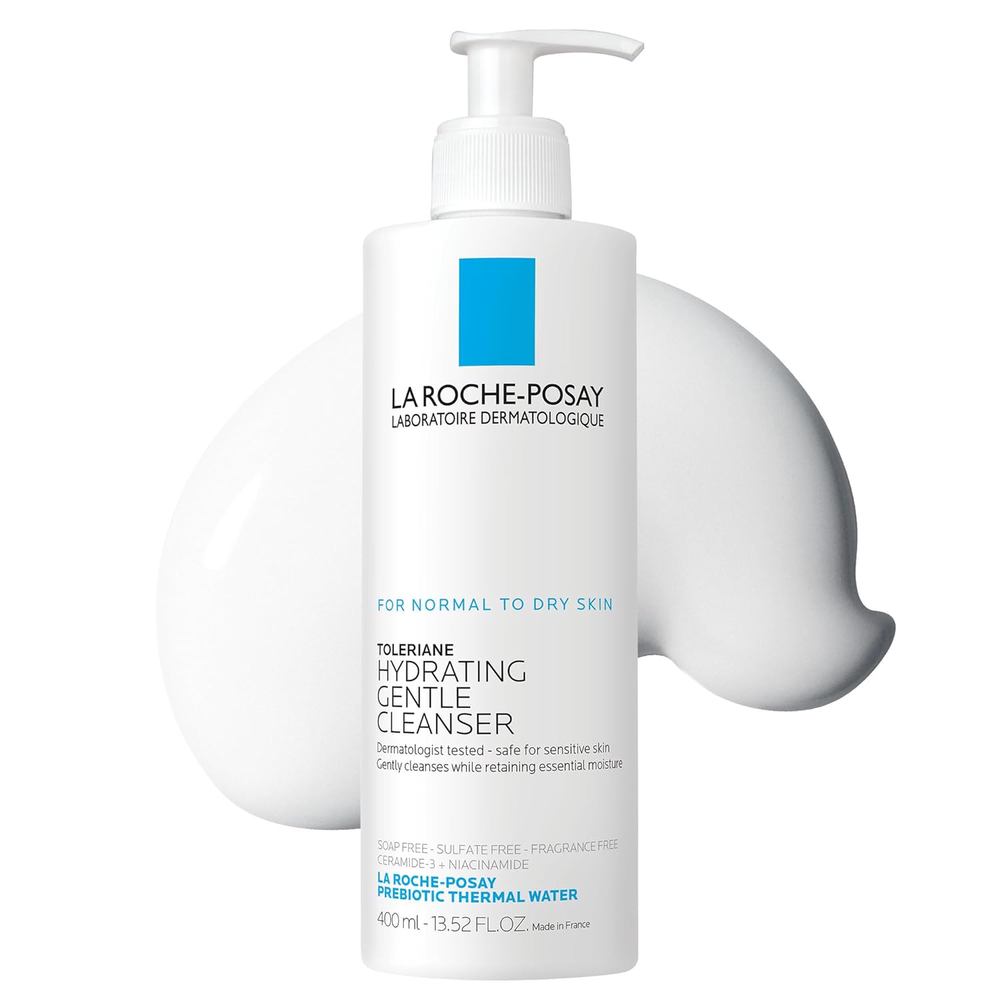
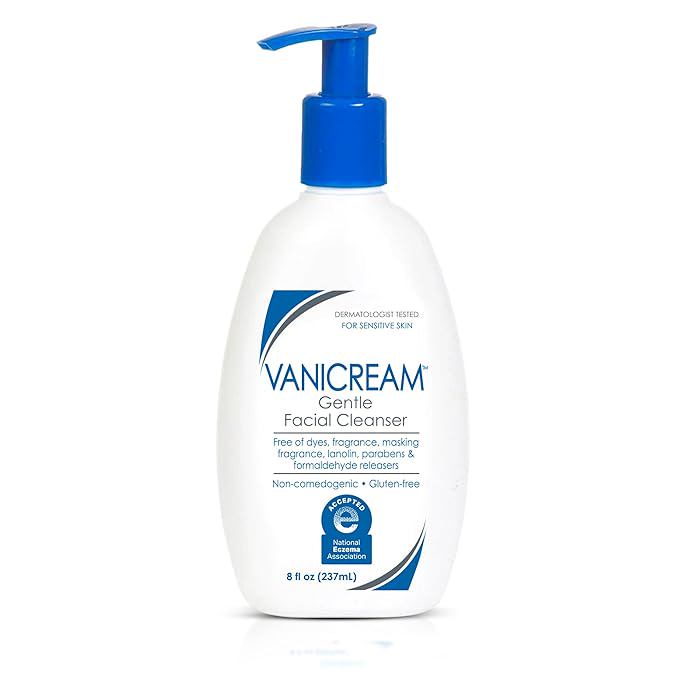
Look for gentle, balanced formulas described as “milky,” “cream,” “gel-to-cream,” or “pH-balanced.” Ingredients like glycerin, ceramides, and hyaluronic acid can help cleanse while supporting hydration. The finish should be clean and refreshed, not tight or squeaky.
Mistake 2: Over-Cleansing or Using Extreme Water Temperatures
More washing must equal cleaner skin, right? For combination skin, this logic backfires. Cleansing more than twice a day, or following a “double cleanse” routine with two stripping products, can excessively disrupt your skin barrier. Similarly, the temperature of the water you use plays a significant role.
Scorching hot water feels relaxing, but it’s intensely drying. It strips the skin of its natural oils far more aggressively than lukewarm water, exacerbating dryness and potentially causing broken capillaries. On the flip side, very cold water can shock the skin and may not effectively dissolve oil and sunscreen.
Over-manipulation during cleansing—scrubbing vigorously with a washcloth or cleansing brush—adds physical irritation to the chemical stress, leading to redness and sensitivity, particularly on the drier, more delicate areas of your face.
How to Cleanse Combination Skin Correctly
Correcting these two common mistakes involves a shift in approach: think of cleansing as a gentle reset, not a deep excavation.
Choose the Right Formula
Your ideal cleanser is a gentle, non-foaming or low-foaming formula that removes makeup, sunscreen, and excess oil without compromising your skin barrier. If you wear heavy makeup or waterproof sunscreen, you can start with a micellar water or a pure oil-based balm on dry skin to break down the products, then follow with your gentle cleanser. This two-step method is effective without being abrasive.
Master Technique and Timing
Use lukewarm water—a comfortable, tepid temperature. Wet your face, apply a small amount of cleanser with your fingertips, and massage it in using gentle, circular motions for about 60 seconds. This gives the product time to work without harsh rubbing. Rinse thoroughly and pat your face dry with a clean, soft towel. Never scrub.
Limit washing to twice daily: once in the morning to remove overnight product and sebum, and once in the evening to cleanse the day away. If you exercise and sweat heavily in the middle of the day, a quick rinse with water or a swipe with a gentle, alcohol-free toner can suffice without a full cleanse.
Remember, combination skin thrives on consistency and gentleness. By avoiding overly harsh cleansers and the temptation to over-wash, you allow your skin’s natural balance to stabilize. The result is a complexion that feels uniformly comfortable, looks calmer, and is better prepared to receive the moisturizers and treatments that follow.